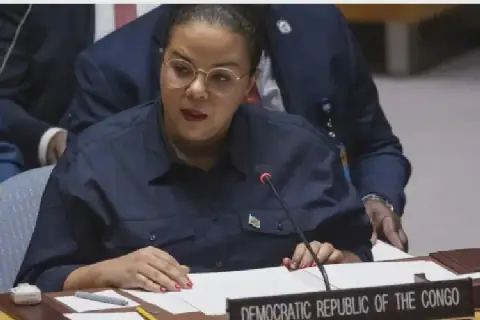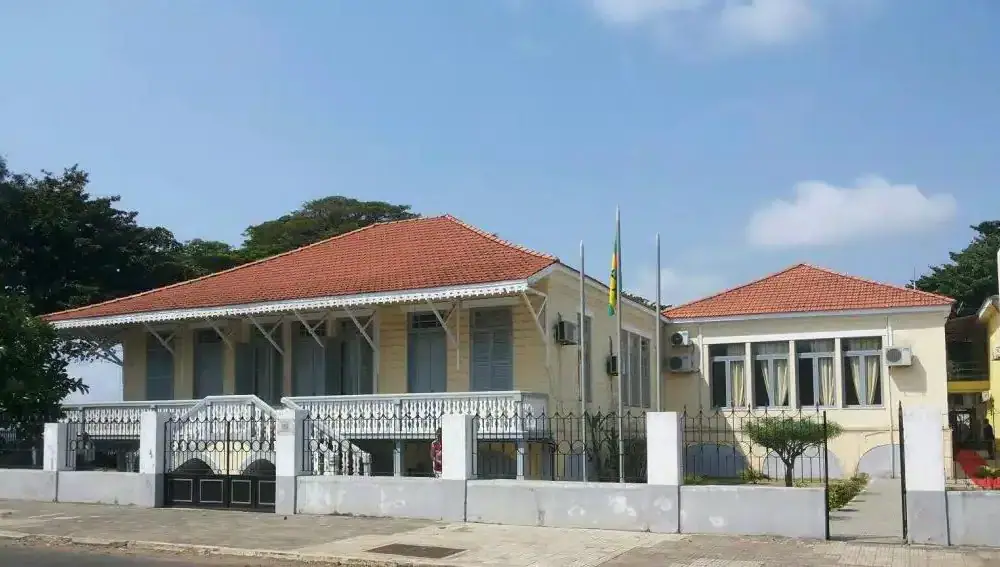
The recent publication of the Presidential Decree No. 34/2026, which outlines the composition of the XX Constitutional Government of Sao Tome and Principe, has drawn attention from citizens. The decree, signed on November 18, 2026, has introduced several changes, including the renaming of the Ministry of Foreign Affairs, Cooperation and Communities to the Ministry of Diplomacy, Cooperation and Diaspora. This change has sparked a debate about the conceptual and institutional adequacy of the new name.
The distinction between foreign policy, external relations, and diplomacy is crucial in understanding the role of the Ministry. Foreign policy refers to the set of principles, objectives, and priorities that a state uses to define and pursue its interests internationally. External relations encompass interactions with other states, international organizations, and other actors in the international community. Diplomacy, on the other hand, is a key instrument of foreign policy, involving negotiation, representation, dialogue, and cooperation.
The Ministry of Foreign Affairs plays a broader role than just diplomacy, including formulating and executing foreign policy, conducting bilateral and multilateral relations, negotiating treaties and international agreements, and promoting economic cooperation and cultural projection. The name change has raised questions about whether it accurately reflects the ministry's responsibilities.
International practice offers various examples of how countries name their foreign affairs ministries. Portugal uses the Ministry of Foreign Affairs, while Angola and Brazil use the Ministry of Foreign Relations. Other countries, such as Spain, France, and South Africa, have their own distinct names for their foreign affairs ministries.
For Sao Tome and Principe, a small island developing state with a strategic location in the Gulf of Guinea, a comprehensive and strategically oriented foreign policy is essential. The country's credibility and international presence depend on the coherence of its foreign policy, quality of representation, and predictability of its positions.
The Prime Minister has justified the name change as a need to innovate and adapt to the new reality, citing the importance of creating dynamism to change the status quo. However, the question remains whether the name change will have a concrete impact on the ministry's functioning and effectiveness.
The debate over the name change highlights the importance of carefully considering institutional changes. While the will to modernize and adapt to new realities is legitimate, it is crucial to assess whether such changes will strengthen the structures, clarify competencies, and improve results.
Key points
- The renaming of the Ministry of Foreign Affairs, Cooperation and Communities to the Ministry of Diplomacy, Cooperation and Diaspora has sparked debate about its conceptual and institutional adequacy.
- The Ministry's role goes beyond diplomacy, encompassing foreign policy formulation and execution, external relations, and promotion of economic cooperation and cultural projection.
- The name change may have a symbolic impact, but its concrete effects on the ministry's functioning and effectiveness remain to be seen.