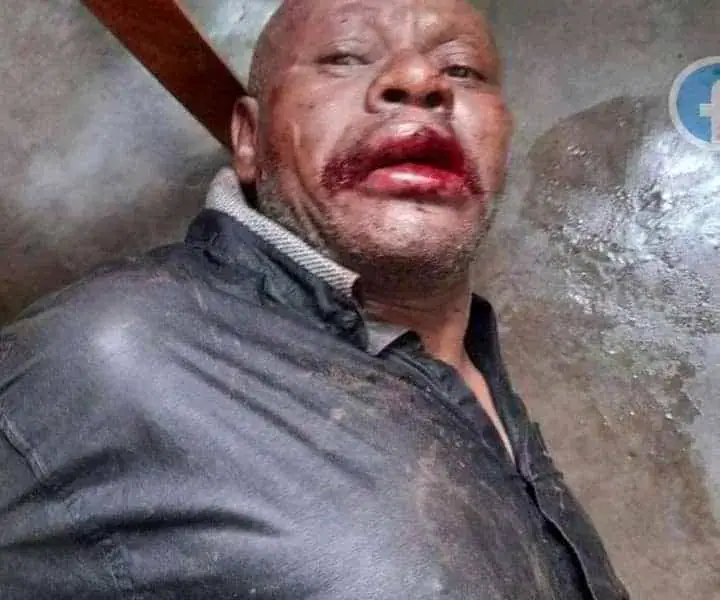
Today, November 25, marks four years since one of the most dramatic and shameful episodes in Sao Tome and Principe's recent history. On this day in 2022, four citizens lost their lives while in custody at the Quartel do Morro. The violent images that circulated globally shocked and outraged a society that considers itself democratic. Despite the passage of time, many questions remain unanswered, and families continue to await justice.
The Ministry of Public Prosecution accused military personnel, including high-ranking officers, of involvement in the incident. However, the community has raised concerns about the official account of events. The Economic Community of Central African States (CEEAC) presented findings that raised serious doubts about the alleged coup attempt and pointed to responsibilities within the Armed Forces. Meanwhile, the case seems to have vanished from the State's records, sparking concerns about accountability and the rule of law.
The case involves four individuals who died while in custody of the Armed Forces, with allegations of torture and human rights abuses. One person, Lucas, has been sentenced to 15 years in prison, while military personnel accused of involvement in the deaths remain untried. Many are calling for equal treatment under the law and an end to what they perceive as selective justice. Critics argue that the justice system should not have double standards, and those responsible for any wrongdoing should be held accountable.
The people of Sao Tome and Principe are demanding answers and action from their institutions. They want to know when the trial will begin and who will be held accountable. The President, Government, National Assembly, Public Prosecution, and courts are being urged to demonstrate their commitment to seeing this case through to its conclusion. There are concerns that the passage of time may be used as a strategy to erode public memory and avoid accountability.
Human rights advocates stress that reconciliation cannot be achieved without truth, accountability, and justice. They argue that institutions must demonstrate courage, transparency, and respect for victims. The people of Sao Tome and Principe will not accept empty ceremonies, promises, or speeches; they demand concrete actions and results. The incident has left a significant debt to the country's democracy, and it is essential to address the concerns of the families and the nation.
As Sao Tome and Principe reflects on this painful anniversary, many are asking critical questions. Who is afraid of the truth? Who is afraid of a trial? Who will guarantee that no one is above the law in Sao Tome and Principe? The nation seeks answers and expects its institutions to act with integrity and accountability. Ultimately, the people will not be silenced, and justice must be served.
The incident has significant implications for the country's human rights record and its commitment to the rule of law. To move forward, Sao Tome and Principe must prioritize accountability, transparency, and justice. The international community will be watching closely, and it is essential for the country to demonstrate its commitment to upholding human rights and the principles of democracy.
Key points
- The incident has raised concerns about accountability and the rule of law in Sao Tome and Principe.
- The case involves allegations of human rights abuses, including torture and extrajudicial killings.
- The people of Sao Tome and Principe are demanding justice, accountability, and transparency in the handling of the case.