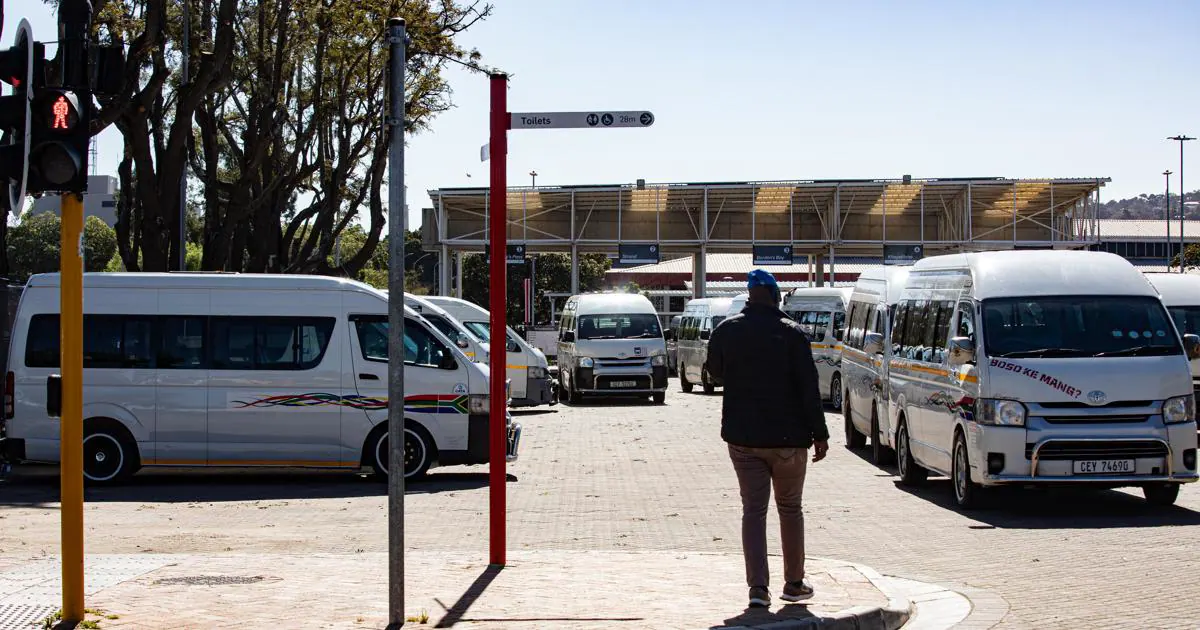
The South African National Taxi Council (SANTACO) has announced that it has not yet made a decision to increase taxi fares despite growing concern over the impact of rising fuel prices. According to SANTACO, they will first engage the government, fuel suppliers, and taxi operators to explore ways of cushioning the fuel cost blow. This move comes as the cost of diesel and petrol has risen to R33 and R30 per litre, respectively.
SANTACO's statement comes as a relief to commuters who rely on taxi services daily. The organisation has appealed to the public and commuters to remain calm and not act on speculation regarding possible fare increases. SANTACO emphasised that no decision to increase taxi fares has been announced at this stage. This assurance is crucial in maintaining stability and preventing unnecessary panic among commuters.
The Congress of South African Trade Unions (COSATU) has described the fuel price hike as a devastating blow to workers, warning that it will further strain households and push up inflation. According to COSATU's Matthew Parks, the fuel price hike will have far-reaching consequences, including increased debt for workers and potential repo rate hikes. COSATU is calling for the government to reintroduce the fuel levy relief implemented in April.
The rising fuel prices have significant implications for the economy, with inflation and unemployment already on the rise. The potential repo rate hike at the end of November could further exacerbate the situation. As workers struggle with increased debt, the government faces mounting pressure to provide relief. The fuel levy relief implemented in April was a step in the right direction, but its reintroduction remains uncertain.
SANTACO's engagement with the government, fuel suppliers, and taxi operators aims to find ways to mitigate the impact of rising fuel prices on the taxi industry. The organisation's decision to consult with stakeholders before making any decisions on fare increases demonstrates its commitment to finding alternative solutions. This approach may help prevent a fare hike or find alternative relief measures.
The impact of rising fuel prices is not limited to the taxi industry, with motorists and households across the country feeling the pinch. The Western Cape Education Department (WCED) recently resolved a dispute over scholar transport services, ensuring that learners can continue to access educational institutions. However, the long-term effects of rising fuel prices on the economy and households remain a concern.
As the situation continues to unfold, SANTACO will communicate its position once consultations are concluded. The organisation's decision to engage stakeholders and explore relief measures demonstrates its commitment to finding solutions that balance the needs of taxi operators, commuters, and the broader economy. The outcome of these consultations will be crucial in determining the future of taxi fares and the impact of rising fuel prices on the economy.
Key points
- SANTACO has not decided on a taxi fare hike despite rising fuel prices.
- The Congress of South African Trade Unions (COSATU) is calling for the government to reintroduce fuel levy relief.
- SANTACO will engage the government, fuel suppliers, and taxi operators to explore ways of cushioning the fuel cost blow.