Sanou Kerfalla Cissé, a journalist, has shared his memories of Sidya Touré, the former Prime Minister of Guinea and president of the Union of Republican Forces (UFR), who died in Paris on September 25, 2026. Cissé recalled their interactions at the Prime Minister's office and a mediation effort at the Grand Mosque Fayçal. He remembered Touré as a man attentive to the public's perception of public action and resolute in defending his convictions in opposition.
Sidya Touré was appointed Prime Minister by General Lansana Conté on July 9, 1996, amidst a difficult economic and social context following a mutiny in February of that year. His priorities included electricity, sanitation in Conakry, and resuming international financial cooperation. A notable achievement was the restoration of public lighting in certain neighborhoods of the capital on December 22-23, 1996. Cissé, then a journalist with Le Lynx-La Lance, secured an interview with Touré after 48 hours of negotiations.
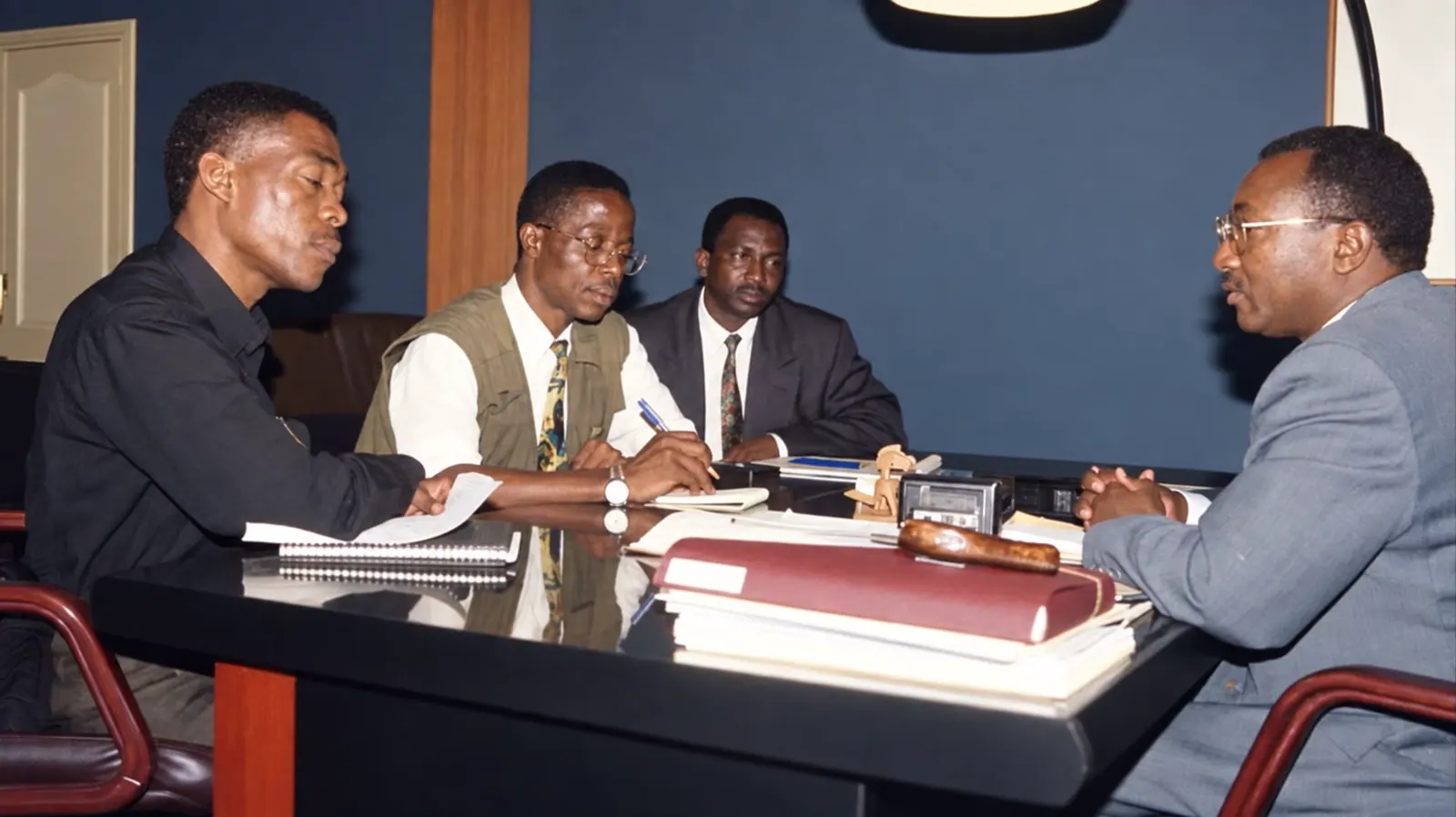
Cissé had monthly exchanges with Touré at the Prime Minister's office, discussing pressing issues. Touré often sought Cissé's opinion on how the population perceived certain decisions. This willingness to listen made a lasting impression on Cissé. The government under Touré announced plans to mobilize external financing for waste collection and engaged with international financial institutions. They also initiated a cleanup of the public sector payroll.
However, Touré's authority as Prime Minister was closely tied to the trust of President Conté. Two years after his appointment, Touré lost the portfolio of Economy and Finance. Several government members could bypass him and address Conté directly. On March 8, 1999, Touré left the Prime Minister's office. Cissé saw this as an illustration of the challenges of implementing reforms when political responsibilities are uncertain.
After leaving the government, Touré joined the Union of Republican Forces, created in 1992. He aimed to make it a national party and advocated for a different direction for the country. His rift with Conté became public in 2000, amid a tense political climate. Ahead of the June 25 communal elections, the UFR's lists were rejected in Matam and Matoto, sparking party disputes. Touré argued that his disagreement with the government concerned poverty, education, and governance.
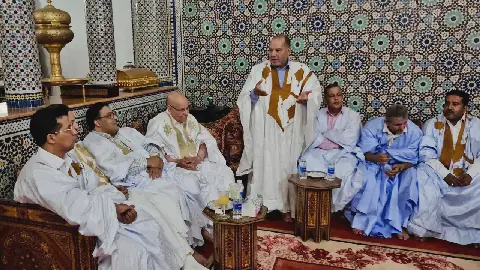
On July 27, 2000, Touré called Cissé, suggesting they pray together at the Grand Mosque Fayçal the next day. Cissé attended the mosque, where notables, religious leaders, and officers sought to mediate between Touré and Conté. Touré refused to limit his engagement to a regional or personal issue, emphasizing that the dispute concerned the country's political, economic, and social situation.
Cissé remembered Touré's consistency and openness to dialogue, while firm in his positions. He recalled their first interview, monthly discussions at the Prime Minister's office, and the 2000 mediation effort. These memories are part of Cissé's journalistic experience and a chapter in Guinea's political history.
Key points
- Sidya Touré, former Guinean Prime Minister and opposition leader, died in Paris on September 25, 2026.
- Touré was a key figure in Guinean politics, serving as Prime Minister from 1996 to 1999.
- Sanou Kerfalla Cissé, a journalist, shared his personal experiences and memories of interacting with Sidya Touré.