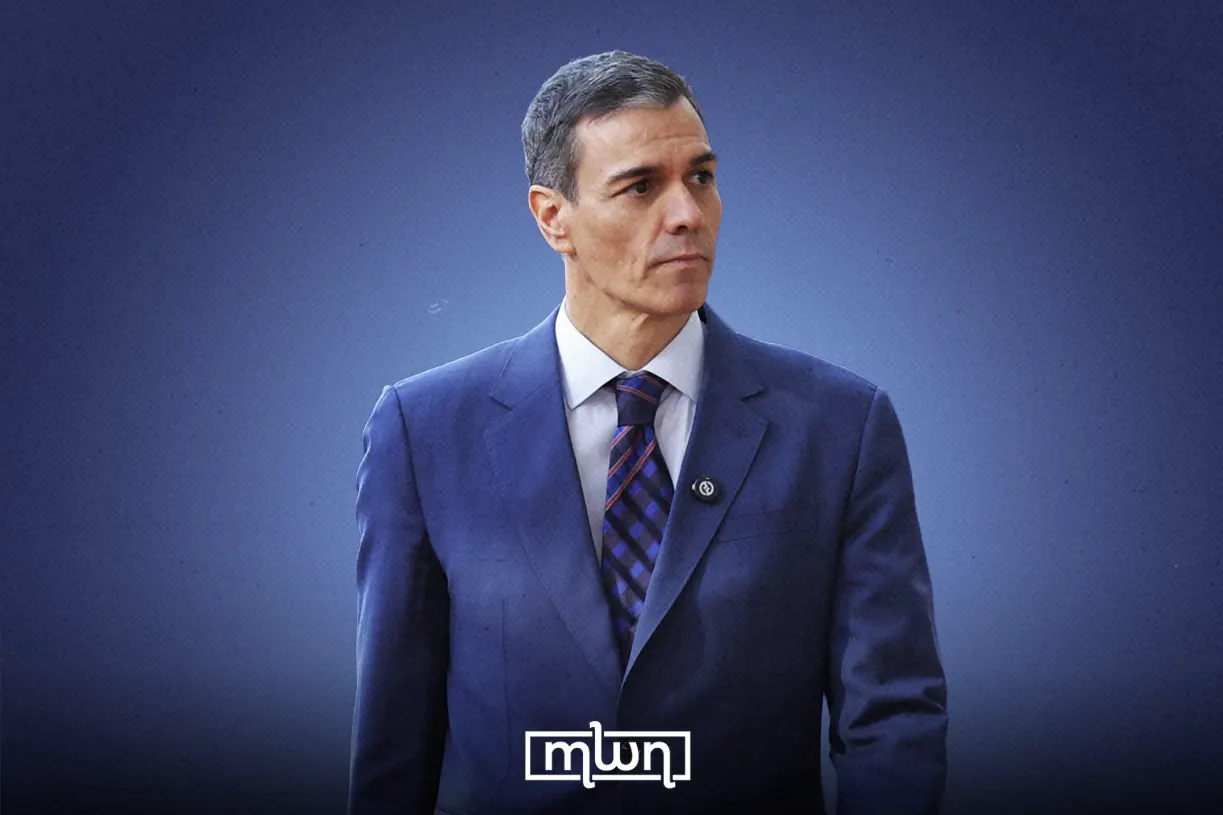
Spanish Prime Minister Pedro Sanchez has reversed his stance on Morocco's handling of the migration crisis in Ceuta, claiming that Rabat's border control "failed" during the mass crossing in late July. This shift in position comes after months of pressure from far-right parties, including Vox and the conservative Partido Popular (PP). Sanchez made these remarks during an interview with CNN in New York on the sidelines of the UN General Assembly.
Previously, Sanchez had commended Morocco's efforts in tackling the migration crisis, especially during the mass crossing on July 30-31, when tens of thousands of migrants entered the occupied city of Ceuta. The Spanish government has repeatedly backed cooperation with Morocco to address irregular migration, emphasizing that Rabat's involvement has been crucial in mitigating the crisis. However, Sanchez now claims that Morocco's border control failed, and that Spain is investigating what happened during those days in July.
The far-right Vox and PP parties have been launching a smear campaign targeting Morocco, urging Spain to hold Rabat responsible for the migration crisis. They have made sweeping accusations against Morocco, which Morocco has rejected, emphasizing its commitment to fulfilling its responsibilities in tackling migration. Morocco has also stressed that tackling migration is a shared responsibility, and that it will not be regarded as Europe's police or gendarmerie.
The crisis in Ceuta was responded to through an emergency agreement between Morocco and Spain on the immediate return of all those who entered the occupied cities during the mass crossing. The majority of migrants returned voluntarily as part of the agreement. Sanchez had previously stated that there is no information that solidly establishes Morocco's responsibility for the wave of migrants faced on July 31.
Morocco has rejected accusations that it launched a hybrid war or blackmail campaign against Spain, stressing that its role in tackling migration stems from a commitment based on shared responsibility. Moroccan ministers and public figures have reiterated that Ceuta and Melilla remain two occupied cities, urging the government to reopen this file to defend Rabat's rightful historical and geographical claims to both enclaves.
The Spanish government has continued to reject any dialogue over the status of Ceuta and Melilla, overlooking their geographical location on the North African coast. This has sparked nerves among Spanish officials, including within the government. The issue remains a point of contention between Morocco and Spain, with Morocco pushing for a resolution to the status of the two enclaves.
The shift in Sanchez's stance has been seen as a response to pressure from far-right parties, which have been seizing on incidents to recycle accusations against Morocco. The issue of migration remains a sensitive topic in Spain, with the government walking a tightrope between addressing the crisis and maintaining cooperation with Morocco.
Key points
- Sanchez claims Morocco's border control 'failed' amid pressure from far-right parties
- Morocco rejects accusations of launching a hybrid war or blackmail campaign against Spain
- The status of Ceuta and Melilla remains a point of contention between Morocco and Spain