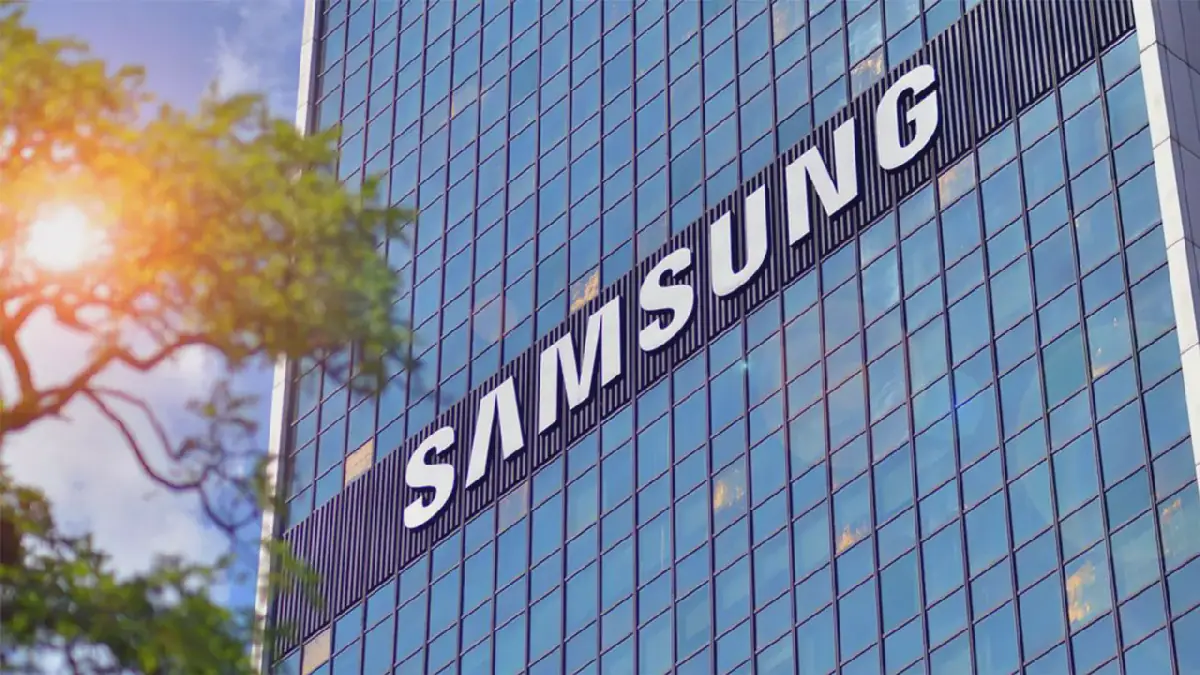
Samsung Electronics, a South Korean technology giant, has come a long way since its establishment on November 1, 1969. Initially, the company produced consumer electronics such as black-and-white televisions. Over the years, it has expanded into various sectors, including home appliances, telecommunications, semiconductors, and mobile devices. This transformation has positioned Samsung as a global technology leader.
The company's growth accelerated in the 1980s with the establishment of a research and development centre in Suwon in 1980 and the production of personal computers in 1983. In 1988, Samsung Semiconductor & Telecommunications merged with Samsung Electronics, bringing semiconductors, telecommunications, and home appliances together as core business areas. This strategic move enabled the company to make significant advances in semiconductor technology.
The 1990s were marked by significant milestones for Samsung. In 1992, the company developed what it claims to be the world's first 64-megabit DRAM. It also intensified its focus on product quality and international competitiveness through its New Management initiative, announced in 1993. By 1998, Samsung had begun mass-producing digital televisions and established a leading position in the global TFT-LCD market.
In the early 2000s, Samsung emerged as a major global technology player. It ranked first in NAND flash memory in 2002 and reached the number-one position in the global television market in 2005. The launch of its Galaxy smartphone series in 2010, powered by Android, opened a new chapter in the company's mobile business. This move brought communication, entertainment, photography, and productivity into an expanding range of devices.
Samsung has continued to broaden its technology ecosystem through acquisitions and product innovation. Its 2014 acquisition of SmartThings strengthened its connected home capabilities, while the introduction of QLED televisions and The Frame in 2017 expanded its display portfolio. In 2019, Samsung unveiled the Galaxy Fold, entering the foldable smartphone market, and introduced BESPOKE refrigerators, extending product personalisation into home appliances.
Recently, Samsung's technology strategy has increasingly focused on artificial intelligence, advanced memory, and semiconductor manufacturing. In 2022, the company began production using a three-nanometre semiconductor process incorporating gate-all-around transistor architecture. In 2023, it unveiled Samsung Gauss, its generative AI model. The company also developed 10.7Gbps LPDDR5X DRAM optimised for AI applications and announced 24GB GDDR7 DRAM designed for next-generation AI computing.
As Samsung marks its 57th anniversary, its evolution reflects the changing structure of the global technology industry. The company's mission remains centred on using its technology and talent to create products and services that contribute to a better global society. Samsung's portfolio includes smartphones, wearables, tablets, network systems, medical imaging technologies, and automotive technologies through Harman, showcasing its commitment to delivering connected experiences across devices and services.
Key points
- Samsung is focusing on AI and advanced chips for future growth.
- The company has evolved from a consumer electronics manufacturer to a global technology leader.
- Samsung's mission is to create products and services that contribute to a better global society.