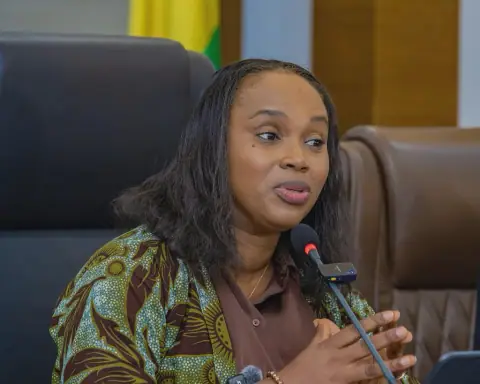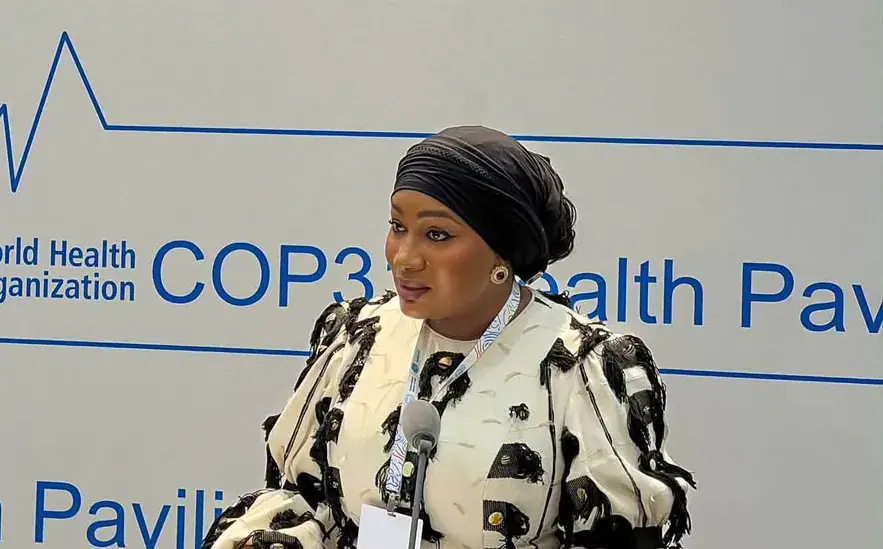
Former Ghanaian Second Lady, Samira Bawumia, has launched the Powering Safe Delivery Initiative to provide solar-powered electricity to underserved healthcare facilities across Africa. The initiative aims to reduce preventable maternal and newborn deaths by equipping selected healthcare facilities with solar systems, battery storage, and essential maternal healthcare infrastructure. This project was unveiled at a high-level side event at the World Health Organisation (WHO) Pavilion during COP31 in Antalya, Türkiye.
The Powering Safe Delivery Initiative is a collaboration between the Africa Women and Youth Climate Centre (AFRYWOCC), the Centre for Climate Change and Sustainability Studies (C3SS) at the University of Ghana, and Minagie Energy. Mrs Bawumia emphasized that unreliable electricity in healthcare facilities compromises essential maternal and neonatal services, particularly in underserved communities. She stated that maternal healthcare must be prioritized in Africa's climate adaptation and energy transition agenda.
The initiative builds on the Safe Delivery Project under the Samira Empowerment and Humanitarian Projects (SEHP). The Safe Delivery Project has distributed over 11,000 birth kits and trained 324 community-level personnel, including health workers and traditional birth attendants. Ghana is expected to serve as the pilot country, with plans to scale up the intervention across other African countries through partnerships, climate financing, and private sector investment.
Mrs Bawumia urged governments, development partners, and philanthropic organizations to support the initiative. She stressed that climate commitments must translate into tangible investments that protect mothers and newborns. The success of the project will be measured by the number of facilities powered, health workers supported, and lives protected.
The Powering Safe Delivery Initiative aims to address the critical issue of unreliable electricity in healthcare facilities. This issue continues to hinder the provision of essential maternal and neonatal services, particularly in underserved communities. By providing solar-powered electricity, the initiative seeks to ensure that healthcare facilities can operate effectively and provide life-saving services.
The launch of the Powering Safe Delivery Initiative highlights the need for innovative solutions to address the challenges facing maternal healthcare in Africa. The initiative has the potential to make a significant impact on the lives of mothers and newborns across the continent. With the support of governments, development partners, and philanthropic organizations, the initiative can be scaled up to reach more communities and healthcare facilities.
The Powering Safe Delivery Initiative is a testament to the commitment of individuals and organizations to improving maternal healthcare in Africa. Mrs Bawumia's efforts to prioritize maternal healthcare in Africa's climate adaptation and energy transition agenda are commendable. The initiative serves as a call to action for stakeholders to support the provision of solar-powered electricity to underserved healthcare facilities and ensure that no woman has to risk her life giving life simply because of unreliable electricity.
Key points
- The Powering Safe Delivery Initiative aims to provide solar-powered electricity to underserved healthcare facilities across Africa to reduce preventable maternal and newborn deaths.