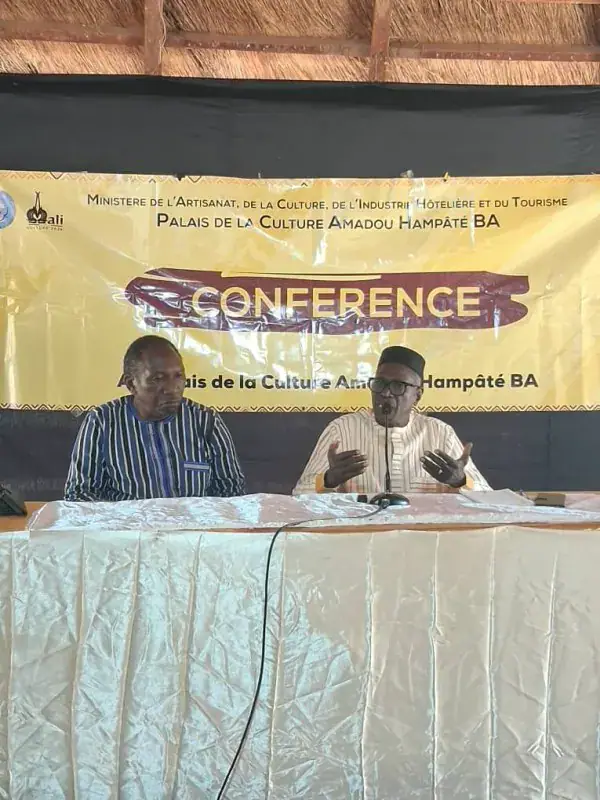
In a recent conference aimed at revitalizing cultural structures in Mali, Salif Traoré, a renowned filmmaker, highlighted the significance of cultural identity in achieving sustainable development. The event was part of the country's efforts to relaunch its cultural activities and promote a better understanding of its rich heritage. Traoré emphasized that a deep understanding of one's history and cultural identity is crucial for building a prosperous future.
Traoré noted that many nations have come to realize the importance of culture in their development, moving away from viewing it as a mere obstacle. He cited examples of countries that have successfully leveraged their cultural heritage to drive economic, social, and sustainable growth. Mali, too, is seeking to tap into its cultural potential by forging partnerships that can help promote its rich cultural diversity.
The filmmaker recalled the country's early efforts to regulate media content, citing a 1960 decree aimed at controlling propaganda. He argued that this move demonstrated the government's desire to manage the narrative and promote a positive cultural identity. Traoré stressed that preserving cultural identity goes beyond superficial expressions of tradition, such as dressing or eating habits, and requires a deeper exploration of societal values, ethics, and cultural foundations.
According to Traoré, Mali's rich history, marked by the existence of great empires, provides a valuable source of reference for building a solid identity and promoting sustainable development. He encouraged the current generation to draw on this heritage to shape their future. The filmmaker's call to action was clear: Malians must strive to understand themselves and their history better, particularly in this "Year of Education and Culture."
Traoré's emphasis on cultural identity resonated with the audience, who recognized the importance of preserving and promoting Mali's diverse cultural heritage. The country's cultural landscape is characterized by a rich tapestry of traditions, music, and art, which can be leveraged to drive economic growth and promote national unity. By embracing its cultural identity, Mali can build a more sustainable future for its citizens.
The conference was part of a broader effort to promote cultural development in Mali, which has been marked by significant challenges in recent years. Despite these challenges, the country's cultural sector remains vibrant, with many initiatives underway to promote artistic expression and preserve cultural heritage. Traoré's message was clear: cultural identity is a vital component of sustainable development, and Mali must prioritize its preservation and promotion.
As Mali continues to navigate its development trajectory, Traoré's call to action serves as a timely reminder of the importance of cultural identity in shaping the country's future. By embracing its rich cultural heritage and promoting a deeper understanding of its history and values, Mali can build a more prosperous and sustainable future for its citizens. The government, civil society, and the private sector must work together to prioritize cultural development and promote Mali's unique cultural identity.
Key points
- Salif Traoré emphasizes the importance of cultural identity in achieving sustainable development in Mali.