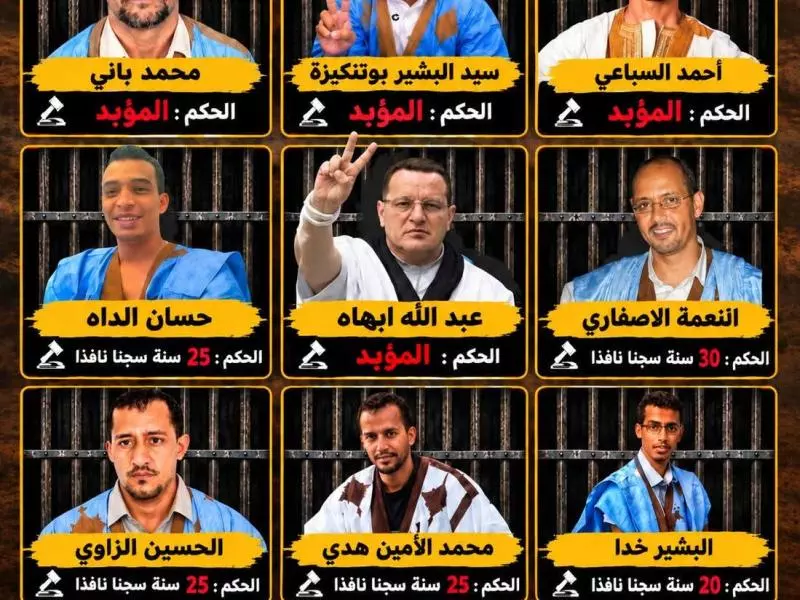
A group of Sahrawi prisoners in Moroccan jails has launched a hunger strike, sparking concerns about their health and human rights. The prisoners, who are being held in various jails across Morocco, are demanding to be allowed to communicate with their families and lawyers, and to be provided with proper medical care. The prisoners' families and human rights organizations are calling on the Moroccan authorities to take immediate action to address their concerns.
The Sahrawi prisoners' hunger strike is being led by nine individuals, including Hassan Dah, who is being held in the Central Prison in Kenitra. The prisoners are protesting against the Moroccan authorities' refusal to allow them to communicate with their families and lawyers, and to provide them with proper medical care. The prisoners' families and human rights organizations are urging the Moroccan authorities to take immediate action to address their concerns and to ensure the prisoners' safety and well-being.
The Association for the Protection of Sahrawi Political Prisoners in Moroccan Jails has called on the Moroccan authorities to allow human rights organizations and lawyers to visit the prisoners and monitor their conditions. The association has also demanded that the authorities provide the prisoners with proper medical care and allow them to communicate with their families. The association's demands are aimed at ensuring the prisoners' safety and well-being, and at preventing any further deterioration in their health.
The Sahrawi prisoners' hunger strike has sparked international concern, with human rights organizations and the international community calling on the Moroccan authorities to take immediate action to address the prisoners' concerns. The International Committee of the Red Cross, as well as various human rights organizations, have been urged to intervene and ensure the prisoners' safety and well-being.
The Moroccan authorities have been accused of mistreating the Sahrawi prisoners, including denying them access to medical care and preventing them from communicating with their families. The prisoners' families and human rights organizations are calling on the Moroccan authorities to respect the prisoners' human rights and to provide them with proper care and treatment.
The Sahrawi prisoners' hunger strike is a sign of the growing tensions between the Sahrawi people and the Moroccan authorities. The Sahrawi people have been seeking independence from Morocco for decades, and the prisoners' hunger strike is seen as a desperate cry for help. The international community is urged to take immediate action to address the prisoners' concerns and to ensure their safety and well-being.
The situation of the Sahrawi prisoners in Moroccan jails remains a major concern for human rights organizations and the international community. The prisoners' hunger strike has highlighted the need for the Moroccan authorities to respect the prisoners' human rights and to provide them with proper care and treatment. The international community will be watching closely to see how the situation develops and whether the Moroccan authorities take immediate action to address the prisoners' concerns.
Key points
- The Sahrawi prisoners are demanding to be allowed to communicate with their families and lawyers, and to be provided with proper medical care.
- The Moroccan authorities have been accused of mistreating the Sahrawi prisoners, including denying them access to medical care and preventing them from communicating with their families.
- The international community is urging the Moroccan authorities to take immediate action to address the prisoners' concerns and to ensure their safety and well-being.