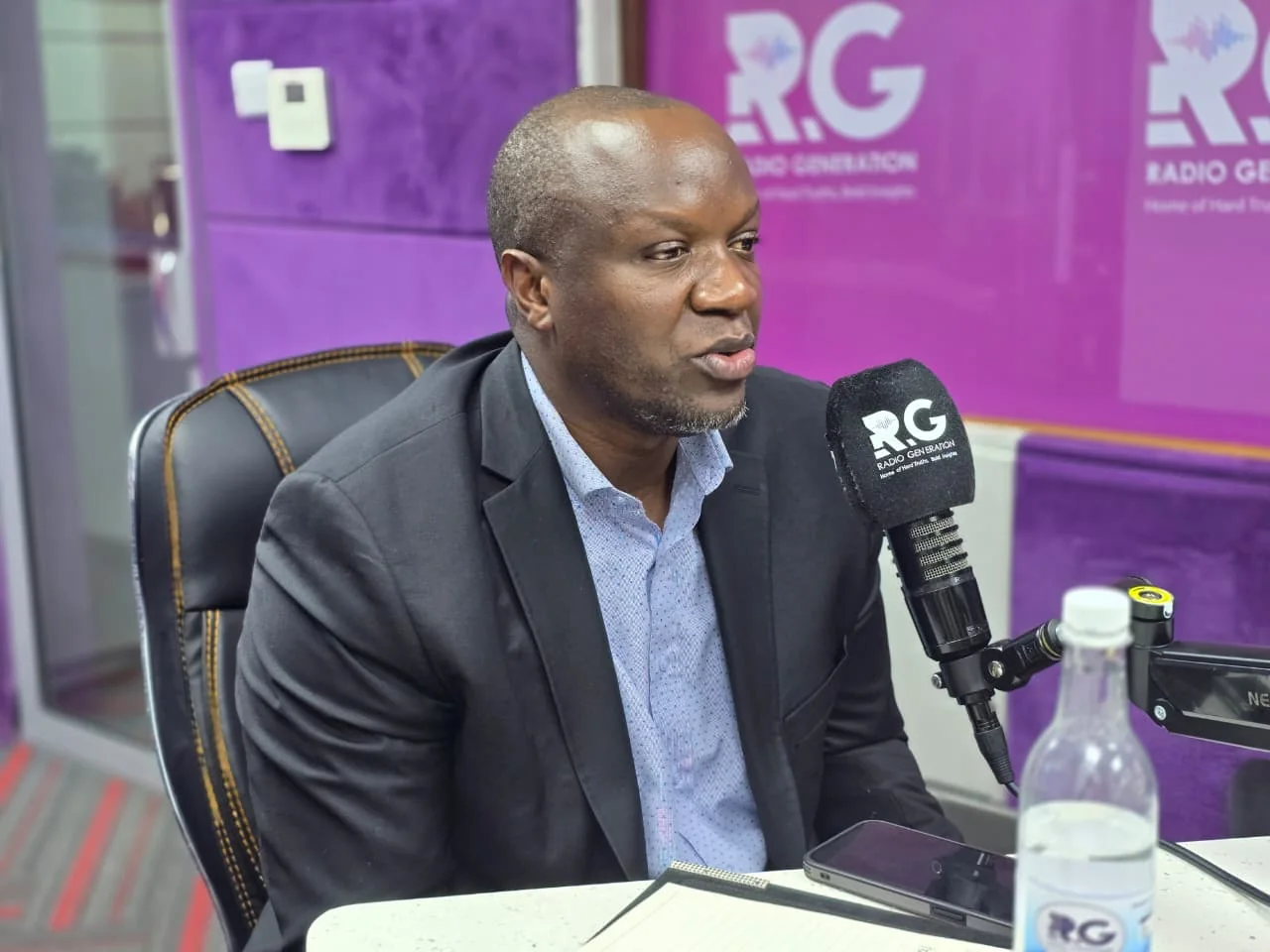
Safina Deputy Leader Willis Otieno has expressed confidence in Kenya's polling-station-based electoral system, saying it could make large-scale manipulation of the 2027 presidential election difficult. In an interview with Radio Generation, Otieno stated that voters would be able to monitor, record, and share results from their respective polling stations on election night. This, he argued, would allow Kenyans to establish the direction of the presidential contest before the Independent Electoral and Boundaries Commission (IEBC) completes the formal tally.
Otieno dismissed concerns over possible rigging of the 2027 presidential election, saying that those planning to manipulate the election would be unlikely to publicly reveal their plans. He suggested that claims about a possible "rigging machine" could be intended to create doubt and discourage public scrutiny. Otieno maintained that he could not rule out attempts to interfere with the election but emphasized that the structure of Kenya's electoral system provides voters and political parties with an opportunity to independently monitor the counting process.
The IEBC is preparing for the 2027 General Election and reviewing the infrastructure required to manage the vote. The commission has projected that it will gazette 55,393 polling stations for the 2027 election, compared with 46,229 stations used in the 2022 General Election. The IEBC also expects to register an additional 5.7 million voters, with young people who have attained voting age expected to account for a significant proportion of the new registrations.
In the 2022 election, the IEBC said it had a final register of 22,120,458 voters spread across 46,229 polling stations. The commission's procedures require presidential results to be recorded at polling stations using Form 34A. The form records the votes obtained by each presidential candidate as well as the total number of valid votes cast at the station. Otieno maintained that the results recorded at these stations could give Kenyans an early indication of the presidential election's direction.
The IEBC's experience from previous elections shows that polling-station results are also transmitted electronically. The commission has previously stated that scanned images of Form 34A are transmitted from polling stations to tallying centres and displayed on a public portal. The process is designed to provide multiple records of results. According to IEBC documentation, copies of Form 34A are also made available at polling stations, while political party agents can raise complaints with presiding officers and escalate unresolved issues to returning officers.
The Supreme Court's 2022 presidential election judgment also considered the transmission of Form 34A results and the role of the IEBC in verifying and tallying results received from polling stations. The court upheld President William Ruto's election after considering challenges that included claims concerning the technology used to transmit results and the tallying process. Otieno nevertheless claimed that the polling-station results would demonstrate that Ruto had lost the 2027 election.
The IEBC's current election operations plan places the General Election on August 10, 2027. It also provides for the identification and gazettement of polling stations, testing of election technology, and the publication of polling stations without network coverage ahead of polling day. Otieno's remarks emphasize the distinction between counting votes at individual polling stations and the subsequent formal tallying of presidential results.
Key points
- The 2027 presidential election is scheduled to take place on August 10, 2027.
- The IEBC expects to register an additional 5.7 million voters for the 2027 election.
- The polling-station-based electoral system allows voters to monitor, record, and share results on election night.