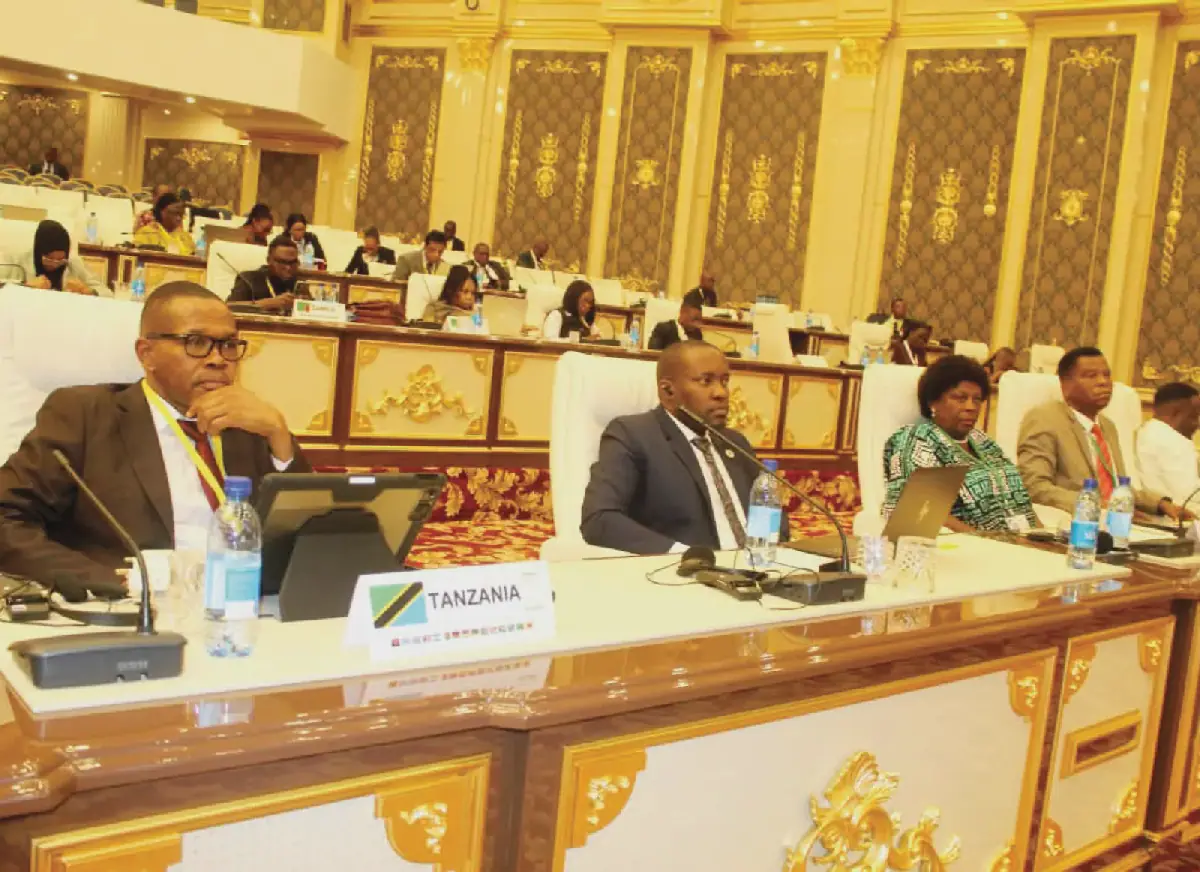
The 59th Plenary Assembly of the Southern African Development Community (SADC) has adopted the SADC Model Law on Correctional Centre Oversight. The motion was moved by South African MP Bonginkosi Madikizela. This development aims to promote accountability and rehabilitation in correctional centres across the region. The model law seeks to ensure that correctional centres provide environments that support the successful reintegration of persons deprived of liberty into society.
South African Member of Parliament Mandla Skosana emphasized that prisons cannot be turned into hotels, as people need to understand that they are there to serve their sentences for crimes committed. He expressed concern about the number of women having babies in prisons, stating that it might be understandable if they were arrested and convicted while pregnant, but it was a cause for concern if they were conceiving while in prison.
Skosana further highlighted the need for more emphasis on educational facilities than on increasing prison centres in the region. He noted that some people believe it is better to be in prison than on the outside because one is guaranteed a meal. Additionally, he mentioned that prison gangs occupy space, and some prisoners are even richer than people outside.
The adoption of the model law is crucial in promoting social cohesion and discouraging people from going to prison and expecting five-star treatment. Skosana cited examples of countries like Venezuela, where prisons have become overly comfortable, and stressed the importance of maintaining human rights in correctional centres. The model law aims to ensure that rehabilitation and reintegration programmes are implemented in a manner consistent with the principles of dignity, equality, and non-discrimination.
Zimbabwe Speaker Jacob Mudenda reported that his country has implemented measures to commute sentences of first offenders who have committed crimes attracting a sentence of six months or less to community service. He also mentioned that they have open prisons for males who are at the end of their sentences, where they are exposed to skills and capacity building. Furthermore, women prisoners with babies can complete their sentences in open prisons, allowing them to care for their children.
Senator Dr Linda Nxumalo of Eswatini highlighted that her country has a separate prison for women, where the commissioner general is a woman who has served with distinction. She also mentioned that children born inside the prisons are enrolled in school and go through the education process. Eswatini has partnered with the Women’s Caucus to provide support to women and children in the facility.
The adoption of the SADC Model Law on Correctional Centre Oversight is a significant step towards promoting rehabilitation and reintegration in the region. The law aims to ensure that correctional centres provide accountable and rehabilitative environments that support the successful reintegration of persons deprived of liberty into society. Key aspects of the law include oversight mechanisms to assess the availability, accessibility, quality, and effectiveness of rehabilitation and reintegration programmes.
Key points
- SADC member countries adopt model law to improve oversight of correctional centres
- The law aims to promote accountability and rehabilitation in correctional centres
- The model law seeks to ensure that correctional centres provide environments that support the successful reintegration of persons deprived of liberty into society
Reporting sources
- Prisons should be a reminder of crimes committed · Swazi Observer