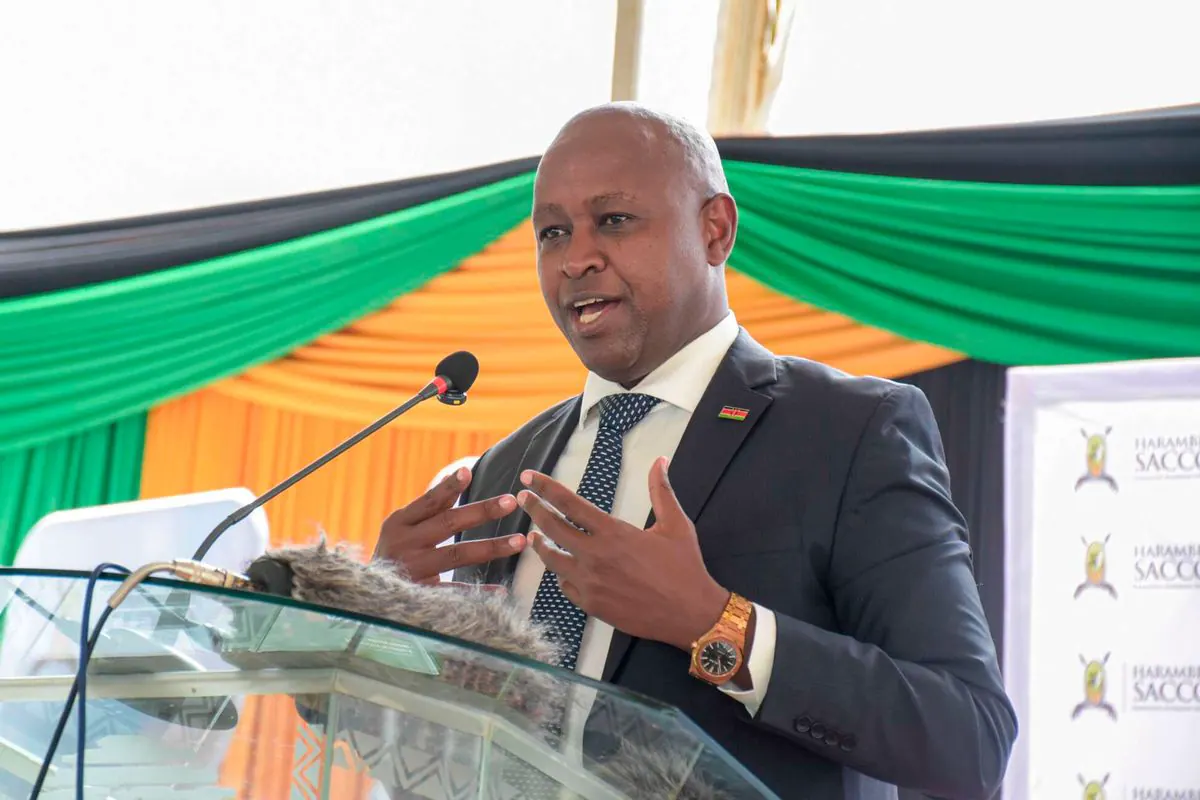
The State Department of Co-operatives in Kenya has warned saccos against investing in high-risk schemes, as the sector's investment portfolio approaches Sh100 billion. Principal Secretary for Co-operatives Patrick Kilemi cautioned sacco managers and directors against deploying members' money into investments that promise higher returns but carry greater risks than traditional instruments. He emphasized the importance of prudent decision-making when managing members' funds.
According to Sacco Societies Regulatory Authority (Sasra) data, financial investments by regulated saccos rose 63 percent to Sh99.81 billion in 2025, up from Sh61.21 billion the previous year. This growth was partly driven by a rise in collective investment schemes, including money market funds and unit trusts. Sacco holdings in these vehicles more than tripled to Sh19.55 billion in 2025 from Sh5.52 billion in 2024.
Collective investment schemes pool money from investors into assets such as government securities, fixed-income instruments, and equities. In contrast, special funds can target more specialized or alternative assets and may offer higher returns. However, these funds also come with higher investment and liquidity risks. Mr. Kilemi stressed that sacco officials must distinguish between personal investment decisions and those involving members' funds.
The Capital Markets Authority warned investors in July about funds promising abnormal returns, amid growing interest in alternative investment products. Special funds accounted for a 23.9 percent share of collective investment schemes as of March 2026, with Sh203.5 billion invested in them. Government securities remained the largest single traditional investment class, with saccos' holdings rising to Sh23.64 billion in 2025.
The strongest growth outside collective investment schemes was recorded in sacco-linked investments. Placements in national co-operative organizations (NACOs) rose to Sh25.68 billion from Sh14.33 billion, while sacco shares in NACOs increased to Sh29.99 billion from Sh19.31 billion. Sasra attributed this growth to higher inter-sacco collaboration, improved confidence in co-operative institutions, and liquidity management needs.
Mr. Kilemi emphasized the need for the sector to strike a balance between public oversight and private decision-making, particularly when members' savings are at stake. He noted that the pendulum between public and private control tends to swing, and the government aims to find a middle ground. Sacco officials must be responsible and have control when making investment decisions involving members' funds.
The warning from the State Department of Co-operatives comes as saccos continue to grow their investment portfolios. With the sector's portfolio nearing Sh100 billion, sacco managers and directors must exercise caution and prioritize prudent decision-making to protect members' funds. By doing so, they can ensure the long-term sustainability and stability of the saccos.
Key points
- Saccos in Kenya are warned against investing in high-risk schemes as their portfolio approaches Sh100 billion.
- The sector's investment portfolio grew 63 percent to Sh99.81 billion in 2025, driven partly by collective investment schemes.
- Sacco officials are urged to distinguish between personal investment decisions and those involving members' funds.