Former New Patriotic Party (NPP) Deputy Secretary for the Biakoye Constituency, Ali Sabiku, has urged politicians and the public to approach the planned introduction of new Ghana cedi banknotes without partisan bias. He emphasized that the focus should be on the potential benefits, transparency, and value the initiative would bring to Ghana. Speaking on the Bubune Morning Show, Mr Sabiku said the planned currency upgrade should be assessed on its merits rather than on which political party is in power.
Mr Sabiku recalled the criticism that surrounded similar discussions during the NPP administration and questioned whether those who opposed the exercise at the time would maintain the same position now that the NDC is in government. He noted that political loyalty should not prevent individuals from speaking honestly about government decisions. Mr Sabiku called for what he described as "nyaakyom" to be put aside, urging Ghanaians to support initiatives that are beneficial to the country while criticising those they consider harmful.
On the proposed banknotes, Mr Sabiku said he had no objection to updating Ghana's currency, noting that banknotes naturally deteriorate with prolonged use and may require improvements to their security features. He stressed that the institutions responsible for producing the new notes must ensure that the exercise is transparent, cost-effective, and delivers value to taxpayers. Mr Sabiku also called for strict accountability throughout the production process, particularly concerning the quantity and cost of the new notes.
Mr Sabiku declined to speculate on the planned November rollout, saying the timing should be determined by the relevant monetary authorities and experts. He maintained that the authorities should be able to explain why the chosen timing is appropriate and demonstrate how the exercise would serve Ghana's interests. Mr Sabiku urged the public debate over the new currency to be guided by transparency, accountability, and the national interest rather than partisan considerations.
Mr Sabiku also called for extensive public education ahead of the introduction of the new banknotes to minimise confusion during the transition. He suggested that public education should go beyond television, radio, and social media and extend directly into communities. Drawing on public education methods he recalled from his childhood, Mr Sabiku said authorities could use community-based approaches involving vans, projectors, and visual demonstrations to explain the differences between the old and new notes.
Mr Sabiku suggested that the National Commission for Civic Education (NCCE) and the Information Services Department could play a stronger role in educating citizens at the district and regional levels. According to him, effective public education would help traders and consumers navigate the transition and reduce the risk of counterfeit notes being circulated. He ultimately urged the public to support initiatives that are beneficial to the country while criticising those they consider harmful.
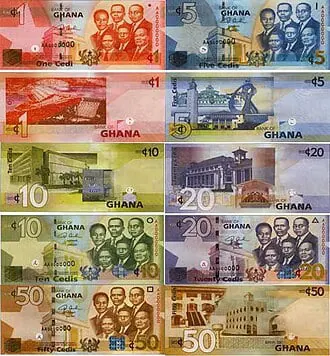
Mr Sabiku's comments come as the Bank of Ghana prepares to introduce new Ghana cedi banknotes. The exercise is expected to be completed by November, although the exact timing has not been disclosed. The introduction of new banknotes is aimed at improving the security features of the currency and reducing counterfeiting.
Key points
- Ali Sabiku urges politicians to prioritize Ghana's interests in the debate over new cedi banknotes.
- Sabiku calls for transparency, accountability, and public education in the production and rollout of new banknotes.
- The introduction of new banknotes aims to improve security features and reduce counterfeiting.