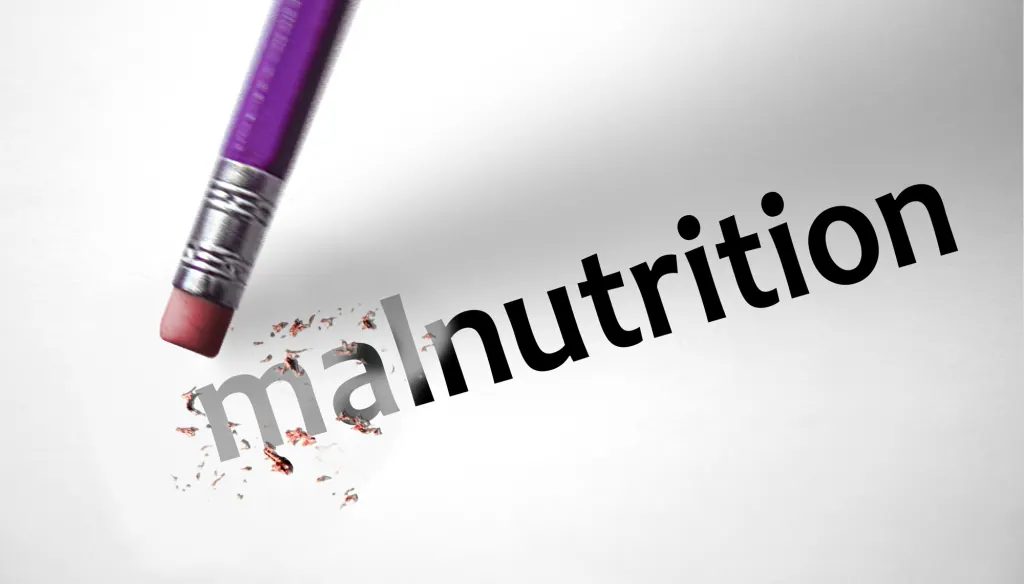
São Tomé e Príncipe has achieved a significant milestone in its fight against malnutrition, with no reported deaths from the condition in 2026. This marks a first for the country, which has struggled with limited access to clean water and a shortage of nutritionists. According to the National Nutrition Plan (PNN) and the Maternal and Child Nutrition Monitoring Plan (PANMI), the country has made progress in reducing malnutrition.
The country's healthcare system faces significant challenges, including a shortage of nutritionists. There are only three national nutritionists in São Tomé e Príncipe, according to Miguel Jarimba, coordinator of the Portuguese Helpo organization in the country. However, a new group of 13 nutritionists trained with the help of Helpo and Portuguese professors is set to join the workforce.
Clara de Sousa, responsible for the PNN, highlighted the significance of zero deaths from malnutrition in 2026. She noted that severe cases are referred to the central hospital in the capital, but access to clean water is a significant problem, even there. In the absence of clean water, firefighters are often called upon to deliver water, but it often arrives dirty.
Maria Tavares, head of PANMI, emphasized the lack of reliable and regular data on malnutrition in the country. However, she noted that progress has been made, citing a decrease in acute undernutrition cases. In 2025, her team conducted consultations with 355 children aged 0-5, out of a total of 3,282 nutrition consultations.
The country's malnutrition statistics are largely based on 2019 data, which showed that 17.2% of children under five suffered from chronic malnutrition, while 4% suffered from acute malnutrition. Low birth weight, a key indicator of maternal health, affected 8.4% of children, and 67.5% of children aged 6-59 months suffered from anemia.
To address the lack of reliable data, the Portuguese NGO Helpo is launching a national survey to assess the nutritional status and eating habits of the population. The survey aims to inform public policy and strategy recommendations. According to Rita Sequeira, responsible for the nutritional and food surveillance project, this comprehensive survey has never been conducted before.
The fight against malnutrition in São Tomé e Príncipe also involves the National School Feeding and Health Program (PNASE), which provides meals to 50,000 children, or approximately a quarter of the population. However, the program faces funding challenges, relying on taxes on cement and alcohol that often get lost in state expenditures. Despite these challenges, the program has made a positive impact, with support from Helpo and other partners.
Key points
- São Tomé e Príncipe reports zero deaths from malnutrition in 2026.
- The country faces challenges in accessing clean water and has a shortage of nutritionists.
- A national survey is being launched to assess the nutritional status and eating habits of the population.