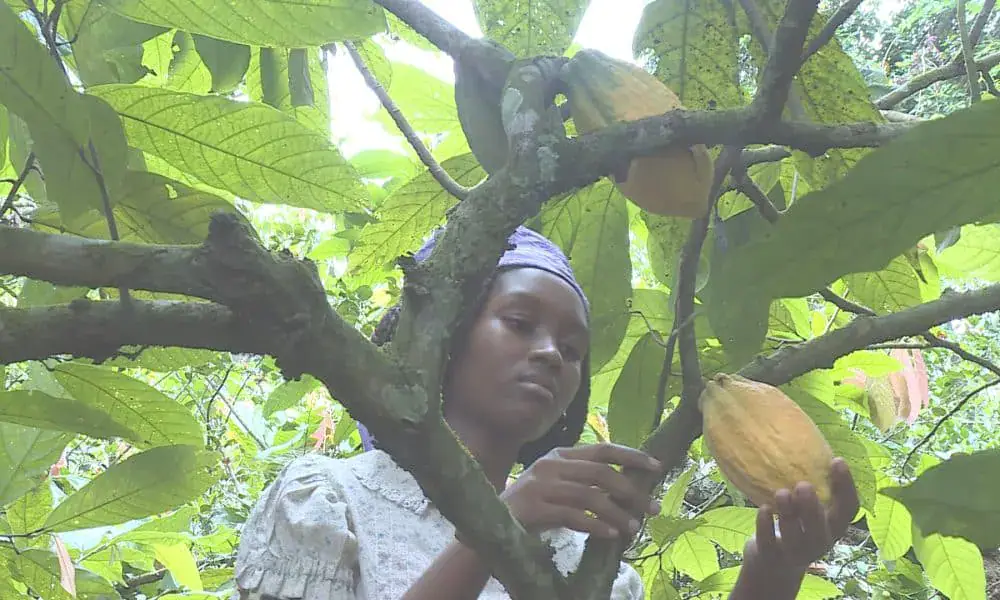
São Tomé and Principe's cocoa production is projected to decrease by 25% in 2026, according to the CECAB, the country's largest cooperative exporter of biological cocoa. This decline is attributed to climate change, which has led to reduced rainfall in the region. In 2025, the country produced around 4,000 tons of cocoa, with CECAB accounting for approximately 50% of this total. However, this year's production is expected to drop to 3,000 tons.
The decline in cocoa production is expected to have a negative impact on São Tomé and Principe's economic growth. In 2025, cocoa production stimulated a 2.1% economic growth, but this trend may reverse in 2026. António Dias, Executive Director of CECAB, stated that the country's cocoa production is heavily reliant on rainfall, and the prolonged dry season has affected the crop. The cooperative is working to adapt to these changes, but the impact on the economy is likely to be significant.
Climate change has led to a decrease in rainfall in São Tomé and Principe, affecting cocoa production. The country's cocoa plantations are not irrigated, making them vulnerable to drought. The dry season, which typically lasts for three months, has extended to six months, further exacerbating the issue. CECAB is exploring ways to mitigate the effects of climate change, but the situation remains challenging.
Despite the decline in production, CECAB and other cocoa cooperatives in São Tomé and Principe are committed to producing high-quality biological chocolate for local consumption. The revenue generated from chocolate sales has enabled these cooperatives to fund various social projects, including infrastructure development in rural areas. CECAB has invested in road and bridge construction, as well as water supply systems, to support local communities.
The cocoa sector remains a crucial contributor to São Tomé and Principe's economy, with cocoa being the country's primary export product. Currently, cocoa is traded internationally at around €4,000 per ton. The decline in production may have implications for the country's revenue, but CECAB and other cooperatives are working to maintain production levels and support local communities.
CECAB's efforts to support local communities extend beyond infrastructure development. The cooperative has also invested in healthcare initiatives, including the rehabilitation of the central hospital. António Dias emphasized that the cooperative is committed to addressing the social and economic challenges faced by local communities, despite the decline in cocoa production.
The decline in cocoa production in São Tomé and Principe has implications for the country's economic growth and development. The government and local cooperatives must work together to address the challenges posed by climate change and ensure the long-term sustainability of the cocoa sector. CECAB's commitment to producing high-quality biological chocolate and supporting local communities is a positive step towards achieving this goal.
Key points
- São Tomé and Principe's cocoa production is expected to decline by 25% in 2026 due to climate change.
- The decline in cocoa production may impact the country's economic growth, which was stimulated by cocoa production in 2025.
- CECAB and other cooperatives are working to maintain production levels and support local communities through social projects and infrastructure development.