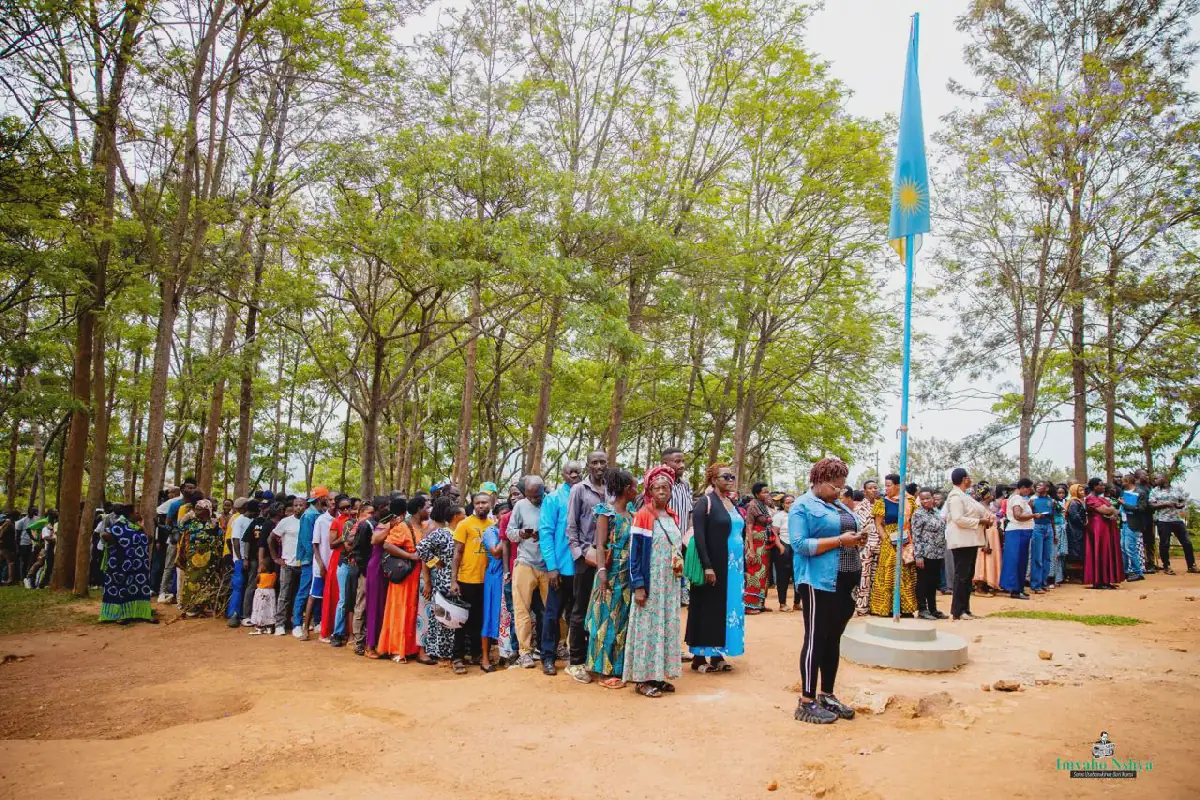
On October 31, 2026, Rwandans went to the polls to elect representatives for local government positions. The elections took place at the sector level, with voters choosing councilors, women's council representatives, and youth and disability representatives. According to Imvaho Nshya, many young Rwandans expressed satisfaction with the opportunity to participate in the electoral process, citing its importance in shaping their future.
The elections aimed to give citizens a voice in selecting leaders who would address their concerns and provide necessary services. Young voters emphasized the significance of participating in the electoral process, stating that it allows them to hold leaders accountable and influence decision-making. Gilbert Nsekanabo, a young voter, highlighted the importance of voting, saying it enables citizens to choose leaders who understand their needs.
Ivan Kwizera, another young voter, stressed that participating in elections is crucial for young people to have a say in their country's development. He noted that elected representatives can advocate for youth concerns, such as unemployment and limited access to resources. Kwizera encouraged his peers to continue participating in electoral processes and other government activities to contribute to the country's development.
Jean Claude Bizimana, a young voter, echoed similar sentiments, stating that participating in elections allows young people to choose leaders who will address their concerns. He emphasized that youth participation in leadership is essential, as it enables them to tackle challenges such as substance abuse and unemployment. Bizimana encouraged young people to engage in government activities to shape their future.
The electoral process is set to continue, with elections for sector-level councilors from special groups, including youth, women, and people with disabilities, scheduled for November 7, 2026. Additionally, elections for national council representatives and executive committee members will take place. The electoral process will be followed by campaign activities, which will run from November 7 to 21, 2026.
The National Electoral Commission (NEC) has outlined a schedule for the completion of the electoral process. On December 15, 2026, the national council elections are expected to be completed, with a comprehensive report on the elections due by December 30, 2026. Elected officials will serve five-year terms, with the possibility of re-election.
The recent elections reflect Rwanda's efforts to promote democratic participation and youth engagement in governance. As the electoral process unfolds, citizens will continue to exercise their right to choose leaders who will shape the country's future. The youth's participation in the electoral process is seen as a positive step towards ensuring that their voices are heard and their concerns addressed.
Key points
- Youth participation in local elections is crucial for their concerns to be addressed and their voices to be heard.
- The electoral process aims to promote democratic participation and youth engagement in governance.
- Elected officials will serve five-year terms, with the possibility of re-election.