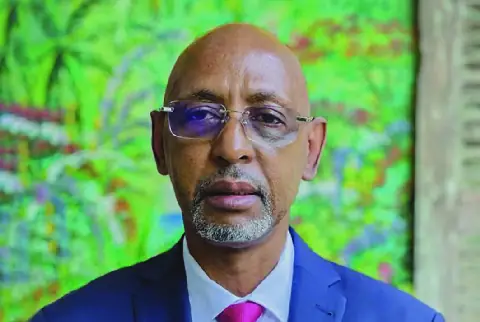
The trial of Madjaliwa Safari, a 61-year-old Rwandan trader, opened in Paris on Tuesday, accused of genocide and crimes against humanity committed during the 1994 Rwandan genocide. Safari, a Hutu, is alleged to have participated in massacres of Tutsis and operated a checkpoint where individuals were identified and killed. He denies the allegations, claiming he was forced to be present at the checkpoint and even helped save lives, including those of children.
The Rwandan genocide, which occurred between April and July 1994, resulted in approximately 800,000 deaths, primarily among the Tutsi minority and moderate Hutus, according to the United Nations. Safari, who arrived in France in 2009, was arrested in 2023 in the Tours suburb, where he managed a business. As a restaurateur, he was neither a military officer nor a political leader, unlike other Rwandans convicted in Paris under France's universal jurisdiction for crimes against humanity and genocide.
The prosecution alleges that the purpose of the "Chez Premier" checkpoint, near Safari's village in southern Rwanda, was to "control the identity of passersby and massacre those who were Tutsi or suspected of being so." Several witnesses claim that Safari, armed with a rifle, machete, or club, exercised authority at the checkpoint, ordering executions and killing individuals, including children. Safari disputes these allegations, stating he was an innocent bystander.
Safari's defense team argues that he is not an assassin, but an honest man who tried to save lives during the genocide. His lawyer, Philippe Meilhac, expressed confidence that the charges against his client would be disproven. If convicted, Safari faces life imprisonment. The trial is set to continue until December 18, during which Safari will have to respond to allegations of participating in the massacre of around 20 Tutsis in late April 1994.
The trial highlights France's role in prosecuting international crimes under its universal jurisdiction. As a non-military and non-political individual, Safari's case raises questions about the extent of individual accountability for crimes committed during the Rwandan genocide. His case also underscores the complexities of prosecuting crimes committed decades ago and the challenges of gathering evidence.
The Rwandan genocide led to a significant humanitarian crisis, with hundreds of thousands displaced and many more affected by the violence. The international community has acknowledged its failure to prevent or stop the genocide, and efforts to bring perpetrators to justice have continued over the years. Safari's trial serves as a reminder of the ongoing quest for accountability and justice for victims of the genocide.
As the trial progresses, it will be closely watched by human rights organizations, Rwandan communities, and those interested in international justice. A verdict is expected in the coming weeks, and its implications will be significant, not only for Safari but also for the broader pursuit of justice for genocide and crimes against humanity.
Key points
- Madjaliwa Safari faces life imprisonment if convicted of genocide and crimes against humanity committed during the 1994 Rwandan genocide.