The Rwandan Senate's Economic and Financial Commission has expressed concerns over the current state of electricity distribution in the country. Commission Chairperson, Senator Fulgence Nsengiyumva, stated that simply connecting electricity to village offices is not enough, as it does not guarantee that all residents in the village have access to electricity. He cited an example where 2,000 people in a village may not have electricity despite it being connected to the village office.
Senator Nsengiyumva urged the Ministry of Infrastructure and the Rural Electrification Programme to ensure that electricity connections are thoroughly inspected to confirm that all intended beneficiaries have access. This call was made during a meeting with Infrastructure Minister Damien Murwanashyaka to discuss issues including electricity shortages, pricing, and projects to increase power generation. The senator also questioned why the dry season, a predictable phenomenon, is not adequately planned for to prevent frequent power outages.
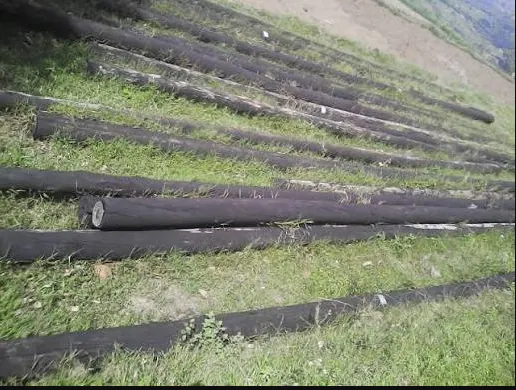
Senator Frank Habineza raised concerns about the slow pace of projects aimed at increasing electricity generation, noting that in some areas, power lines have been installed but electricity has not yet been supplied. He expressed worry that some projects remain on paper and may not be completed on time, citing a project aimed at addressing power outages that has yet to be implemented. Habineza suggested that Rwanda should explore hybrid electricity systems that combine traditional and renewable energy sources.
Senator Habineza emphasized the need for Rwanda to harness its natural resources, including solar, water, and wind power, before relying on expensive nuclear energy. He suggested that the country should prioritize the use of renewable energy sources to ensure a stable power supply. Senator Rose Mureshyankwano inquired about the government's plan to distribute solar panels to citizens and provide maintenance services when they are damaged.
Mureshyankwano also raised concerns about the frequent changes in electricity tariffs, which have caused difficulties for some citizens. In response, Minister Murwanashyaka explained that the government is working to support the Rural Electrification Programme (REG) to make electricity more affordable for citizens. He noted that if the government were to completely deregulate the electricity market, prices would likely increase, making it difficult for many people to afford.
The meeting also touched on the government's goal of achieving 100% electricity coverage by 2029. Currently, about 88% of households have access to electricity, with 25 villages still without power. However, the Ministry of Infrastructure has announced plans to connect these villages by the end of the 2026/2027 fiscal year. The senators and ministry officials agreed on the need for a comprehensive approach to address the challenges facing Rwanda's electricity sector.
The Infrastructure Ministry has pledged to work with the Senate to address the issues raised and find solutions to improve electricity distribution and generation in Rwanda. The government aims to increase electricity generation and access to ensure reliable and affordable power for all citizens. Key stakeholders will continue to engage in discussions to ensure that the necessary steps are taken to achieve this goal.
Key points
- The Rwandan Senate's Economic and Financial Commission has called for reforms in electricity distribution to ensure that all citizens have access to power.
- The government aims to achieve 100% electricity coverage by 2029, with 25 villages still without power.
- Senators have urged the Ministry of Infrastructure to prioritize the use of renewable energy sources to ensure a stable power supply.