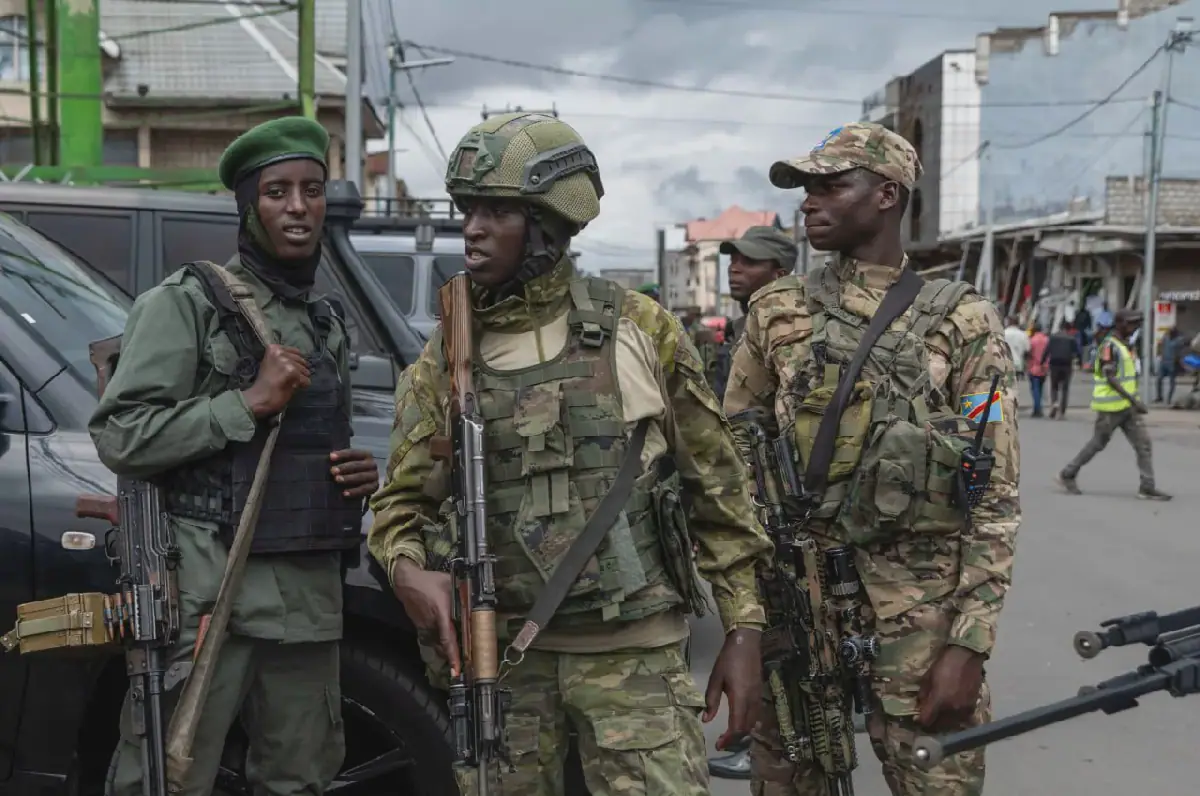
On November 6, 2026, rebels from the Forces démocratiques de libération du Rwanda (FRN), led by Joseph Kabila, the former President of the Democratic Republic of Congo, captured the strategic location of Bunyakiri in Kalehe territory, South Kivu. The rebels, along with the Congolese army (FARDC) and their allies, had been clashing with the FRN in the region. Local residents reported that the rebels were welcomed with songs and dances, while others took photos.
The capture of Bunyakiri follows intense fighting that began on November 6, 2026, between the FRN and government forces, including FARDC and the Wazalendo militia, in the areas of Katasomwa and Kalonge along the RN3 highway connecting Chivanga and Bunyakiri. The FRN rebels managed to overrun government forces in Bitale, located in the groupement of Bitale, chefferie of Buloho, Kalehe territory. By the evening of the same day, they had also seized control of Kalonge.
The FRN rebels' advance into Bunyakiri found government forces and Wazalendo militia already evacuated, according to local residents. The capture of this strategic location provides the rebels with a crucial gateway to Shabunda, Kindu, and Walikale. Bunyakiri, home to approximately 240,000 residents, predominantly from the Tembo ethnic group, is an important commercial center and a site for gold mining.
Securing Bunyakiri could grant the rebels significant leverage, enabling them to block supply routes used by government forces and potentially control the local airport, which has been used for military resupply via helicopter. This development has raised concerns about the escalating conflict in the region.
The situation in South Kivu has been volatile, with clashes between rebel groups and government forces ongoing for several days. The FRN rebels, led by Joseph Kabila, have been making significant gains in the region. The capture of Bunyakiri has sparked fears of further instability and humanitarian crises.
The conflict in the Democratic Republic of Congo's eastern regions has been marked by violence and displacement. The international community has expressed concern over the deteriorating situation, calling for a peaceful resolution to the conflict. The rebels' capture of strategic locations has put pressure on the government to respond effectively.
The humanitarian situation in the region is likely to worsen, with thousands of civilians potentially displaced or affected by the fighting. Efforts to broker a ceasefire or negotiate a peaceful resolution are ongoing, but the situation remains fluid and uncertain.
Key points
- The capture of Bunyakiri provides the rebels with a strategic advantage in controlling supply routes and potentially accessing the local airport.
Reporting sources
- Inyeshyamba za FRN ziyobowe na Kabila zafashe Bunyakiri · https://umuseke.rw/