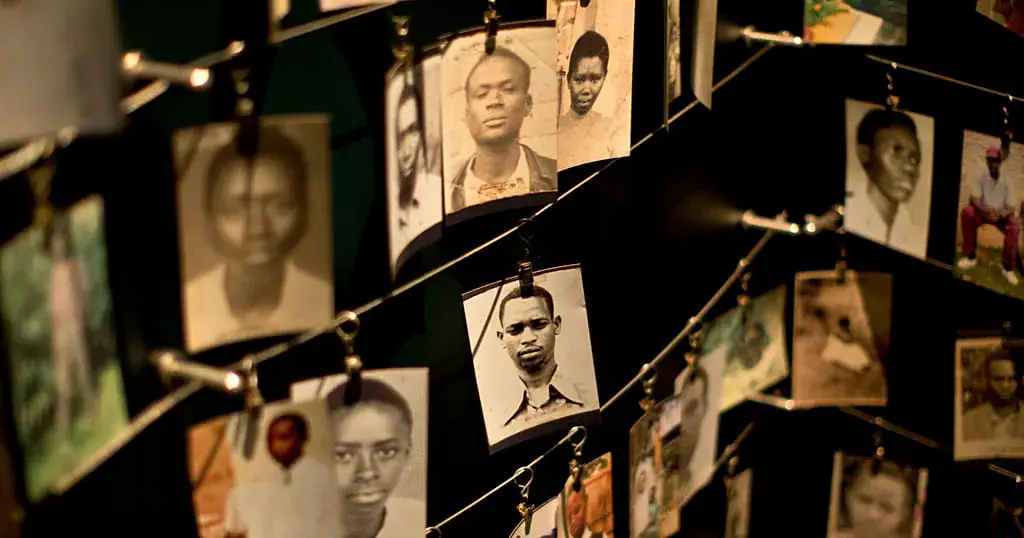
The Rwandan genocide began in April 1994, and over around 100 days some 800,000 people, mostly minority Tutsis, were murdered. A Rwandan man jailed in the United States for lying about his involvement in the genocide has been deported to his home country. Jean Leonard Teganya, 55, was convicted in April 2019 of two counts of immigration fraud and three of perjury after lying about his alleged role in the genocide to secure asylum in the United States.
Teganya was sentenced to 97 months in prison, after which he was to face removal. According to the US Department of Justice, he led teams of soldiers and pro-government youth through a hospital in search of Tutsi patients and refugees, who were killed when found. He was also implicated in the murders of seven Tutsis and the rape of two Tutsi women. At the time of the genocide, Teganya was a medical student at the National University of Rwanda and a member of the Hutu-dominated ruling MRND party, which incited the killings.
The National Public Prosecution Authority (NPPA) received Teganya following his deportation from the United States of America, the Rwanda state prosecutor said in a statement. Teganya had fled Rwanda in mid-July 1994, travelling across Africa to India before eventually reaching Canada, where he sought asylum in 1999. In 2014, he fled Canada ahead of a deportation order and entered the United States, where he applied for asylum without disclosing his MRND membership or activities during the genocide.
In his asylum application, Teganya denied involvement in the genocide, claiming he had been a victim of the violence. However, an investigation by US authorities found that he had provided false testimony and documentation to support his claim. His deportation to Rwanda brings to a close a long and complex process that began with his flight from the country in 1994.
Last year, another genocide fugitive, Francois Gasana, was extradited from Norway to Rwanda to face charges over his alleged involvement in the 1994 genocide. Teganya's deportation is a significant development in the ongoing efforts to bring those responsible for the genocide to justice. The Rwandan government has continued to pursue those who fled the country and are living abroad.
The 1994 genocide was a devastating event that had far-reaching consequences for Rwanda and its people. The international community has continued to support efforts to bring those responsible to justice and provide reparations to victims and their families. Teganya's case is one example of the ongoing efforts to hold accountable those who participated in the genocide.
Teganya's deportation to Rwanda is a significant step towards accountability for his alleged crimes. The case highlights the continued efforts of the Rwandan government and the international community to pursue justice for the victims of the genocide. Key points include Teganya's conviction for immigration fraud and perjury, his role in the genocide, and his extradition from the US to Rwanda.
Key points
- Jean Leonard Teganya was deported to Rwanda after serving 97 months in a US prison for lying about his involvement in the 1994 genocide.
- Teganya was implicated in the murders of seven Tutsis and the rape of two Tutsi women during the genocide.
- Another genocide fugitive, Francois Gasana, was extradited from Norway to Rwanda last year to face charges over his alleged involvement in the 1994 genocide.