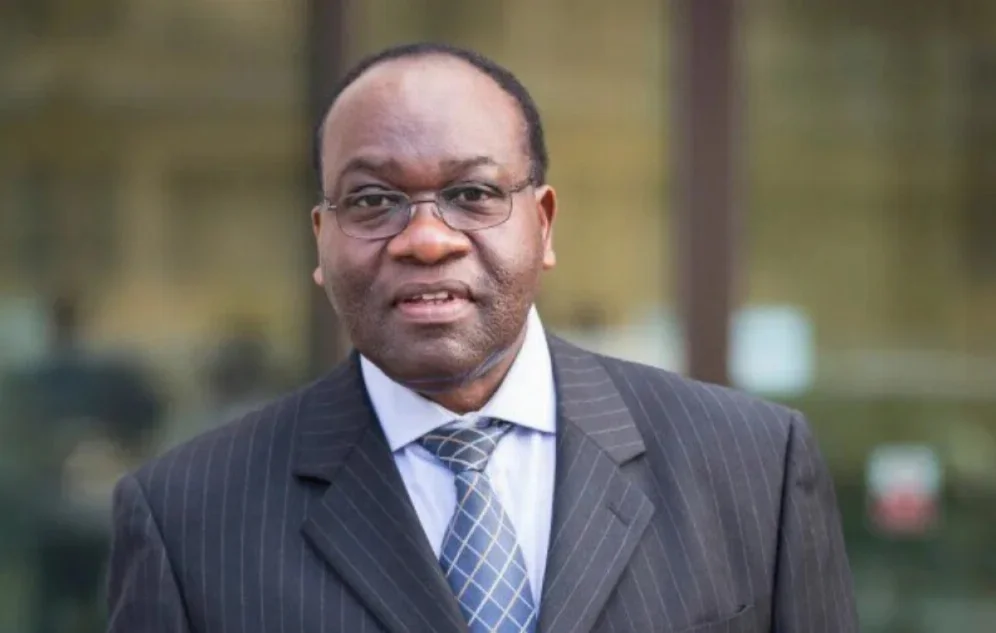
Dr. Vincent Bajinya, a 65-year-old Rwandan doctor, appeared in the Old Bailey court in London on September 28, 2026. He was ordered to pay £100,000 bail, approximately 150 million Rwandan francs, as he awaits trial for his alleged role in the 1994 Rwandan genocide. Bajinya, who now goes by the name Vincent Brown, is accused of promoting and participating in the genocide against the Tutsi ethnic group.
According to the prosecution, Bajinya is accused of ordering Interahamwe militia to kill six people, including a woman and her child, between April 6 and 13, 1994, in Kigali, Rwanda. The victims allegedly killed include Dominique Mukurarinda, Immaculee Mukankusi, Gerasi Rurangirwa, Leandre Mbogoye, Charlotte Kamaguja, and Olivier Tuyishime. Bajinya denies all charges brought against him.
The case against Bajinya was brought to the UK court after a seven-year investigation by British authorities. Bajinya, who resides in Islington, north London, was arrested and charged with crimes including murder, leading attacks on Tutsis, and inciting people to commit genocide. His lawyer, Sam Blom-Cooper, expressed satisfaction that his client had been brought to court, saying it was an opportunity for him to clear his name.
The prosecution alleges that Bajinya played a role in the deaths of multiple members of one family, including a taxi driver, a parent, and a young child, between April 6 and 13, 1994. If convicted, Bajinya could face severe penalties for his alleged crimes. The investigation into Bajinya's activities was conducted in collaboration with Rwandan authorities and international organizations.
Bajinya's case marks a significant development in efforts to bring perpetrators of the Rwandan genocide to justice. The genocide, which occurred in 1994, resulted in the deaths of approximately 800,000 people, primarily from the Tutsi ethnic group. The UK court has taken a significant step in holding individuals accountable for their alleged roles in the genocide.
As Bajinya awaits trial, he will be required to comply with certain conditions, including electronic monitoring, to ensure he does not abscond. The court has set a significant bail amount, reflecting the seriousness of the allegations against him. Bajinya's trial is expected to draw significant attention from both Rwandan and international communities.
The outcome of Bajinya's trial will be closely watched by survivors of the genocide and human rights organizations. The case serves as a reminder of the ongoing efforts to bring perpetrators of international crimes to justice. The UK court's decision to try Bajinya demonstrates its commitment to holding individuals accountable for their actions, even decades after the alleged crimes were committed.
Key points
- Dr. Vincent Bajinya, 65, ordered to pay £100,000 bail as he awaits trial for alleged involvement in the 1994 Rwandan genocide.
- Bajinya accused of promoting and participating in genocide against Tutsi ethnic group.
- Trial expected to draw significant attention from Rwandan and international communities.