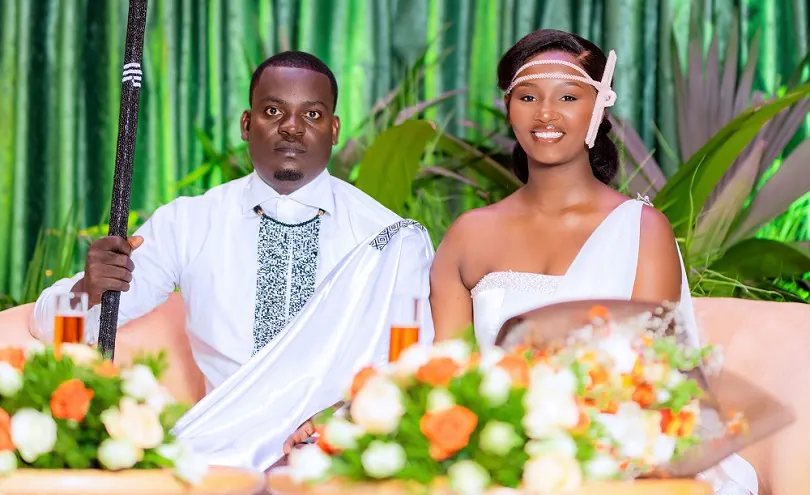
A high-profile divorce case in Rwanda has drawn attention to the country's laws and procedures surrounding marriage and divorce. Vestine Ishimwe, a popular singer, and her husband Ouedraogo Idrissa have taken their divorce case to court, with Ishimwe alleging that her husband had another family and children without her knowledge. The case has sparked a national conversation about the rights of individuals in marriage and the procedures for divorce.
According to reports, the couple's divorce case was heard at the Kicukiro Primary Court on September 14, 2026, with each side represented by a lawyer. Ishimwe has reportedly accused her husband of having another family and children, and of trying to sabotage her music career. Her husband, on the other hand, has reportedly asked for custody of their child and has requested a DNA test to confirm paternity.
In a written statement, Ishimwe detailed her side of the story, alleging that she was unaware of her husband's other family and that his actions had caused her significant emotional distress. She also claimed that her husband had tried to isolate her from her music and friends. However, it is essential to note that these allegations have not been verified by the court.
The case has highlighted the complexities of Rwanda's laws and procedures surrounding marriage and divorce. According to the law, a spouse can file for divorce on several grounds, including adultery, abandonment, and emotional or physical abuse. The law also provides for the protection of children's rights, including the right to maintenance and custody.
Experts have noted that the case raises important questions about the rights of individuals in marriage and the procedures for divorce. They argue that the law should prioritize the well-being and safety of all parties involved, including children. The case has also sparked a national conversation about the need for greater awareness and education about marital rights and responsibilities.
In Rwanda, divorce is not necessarily a straightforward process, and the law provides for several grounds for divorce. The law also emphasizes the importance of protecting children's rights and ensuring their well-being. The case of Ishimwe and Idrissa has highlighted the need for greater clarity and consistency in the application of the law.
The outcome of the case is yet to be determined, but it has already sparked a significant national conversation about marital rights and responsibilities. As the case continues to unfold, it is essential to prioritize the well-being and safety of all parties involved, including children. The case serves as a reminder of the importance of understanding and respecting marital rights and procedures.
Key points
- The case highlights the complexities of Rwanda's laws and procedures surrounding marriage and divorce.
- The law provides for several grounds for divorce, including adultery, abandonment, and emotional or physical abuse.
- The case has sparked a national conversation about the rights of individuals in marriage and the procedures for divorce.