Rwandan coffee farmers, such as Lawrence Mukakabera, are benefiting from the country's growing trade relationship with China. As a member of the Kunda Kawa Musasa Cooperative, Mukakabera's coffee harvest is not only a source of income but also a connection to distant markets, including China. The cooperative's focus on premium coffee and traceability has earned it a strong reputation in the international market. With China's zero-tariff policy for eligible Rwandan exports, which began on December 1, 2024, Mukakabera and other farmers see new opportunities for growth.
China's zero-tariff policy was announced by President Xi Jinping at the September 2024 Forum on China-Africa Cooperation summit in Beijing. The policy removed import duties on 100% of tariff lines for Rwanda and other eligible African least-developed countries with diplomatic relations with China. This move aims to expand African exports, strengthen trade ties, and support economic development by making African products more competitive in the Chinese market. In June 2025, China extended the zero-tariff treatment to all 53 African countries with which it has diplomatic relations.
The Kunda Kawa Musasa Cooperative, led by Director Ernest Nshimimana, has established a strong position in international markets by focusing on premium coffee. Nshimimana notes that Rwandan coffee is renowned for its quality, not volume. The cooperative relies heavily on the traceability of its coffee and the stories behind each cup, which helps distinguish Rwandan beans in a competitive market. With China's opening, the cooperative sees an opportunity to diversify its customer base beyond established markets in Europe and North America.
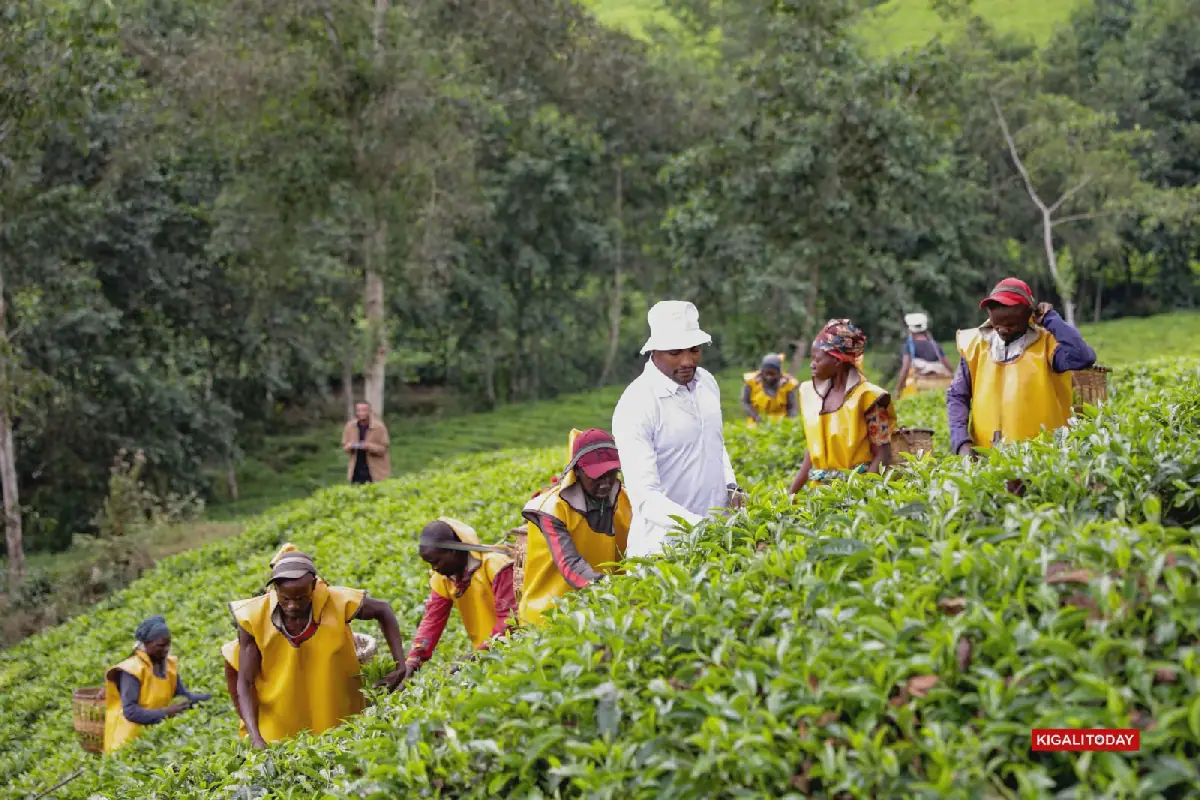
Rwanda's tea industry is also benefiting from the zero-tariff policy. At Rubaya Tea Factory, workers hand-pluck tea leaves, selecting a bud and two leaves before processing. Director Emile Mukiza explains that production is organized around maintaining both quality and quantity. The factory's tea undergoes withering, drying, cooling, grading, and packaging to meet buyer demands. With the removal of tariffs, Rwandan tea can compete commercially in new markets, including China.
Logistics and compliance play a crucial role in turning a promising market into a profitable one. Julie Mutoni, Deputy Group CEO of Multilines Rwanda, notes that China is one of the company's busiest trade routes, with cargo moving in both directions. Since the implementation of the zero-tariff policy, Mutoni has observed an increase of approximately 10% in the number of shippers sending cargo to China. However, she emphasizes that perishable products require careful management of their shelf life, and incomplete paperwork or failure to meet market requirements can prevent shipments from reaching their destinations.
At the policy level, Rwanda is seeking to build trade relationships that support its wider ambitions for export growth and industrial development. Chantal Tuyishimire, Permanent Secretary at the Ministry of Trade and Industry, says the country has pursued trade and investment arrangements with partners where stronger commercial relationships could expand existing flows. Tuyishimire also points to Chinese investments in sectors, including textiles and agro-processing, as part of the broader economic relationship between the two countries.
For Rwanda, the opportunity is to turn improved market access into lasting export growth. The benefits of China's zero-tariff policy depend on demand, production capacity, quality, and the ability of businesses to deliver competitively. As the country looks to build on its growing trade relationship with China, the real promise lies in making sure that growth reaches the farmers and producers at the beginning of the supply chain.
Key points
- Rwandan exports to China have increased by over 10% following the implementation of the zero-tariff policy.
- China's zero-tariff policy aims to expand African exports, strengthen trade ties, and support economic development.
- Rwandan coffee and tea industries are benefiting from the growing trade relationship with China.