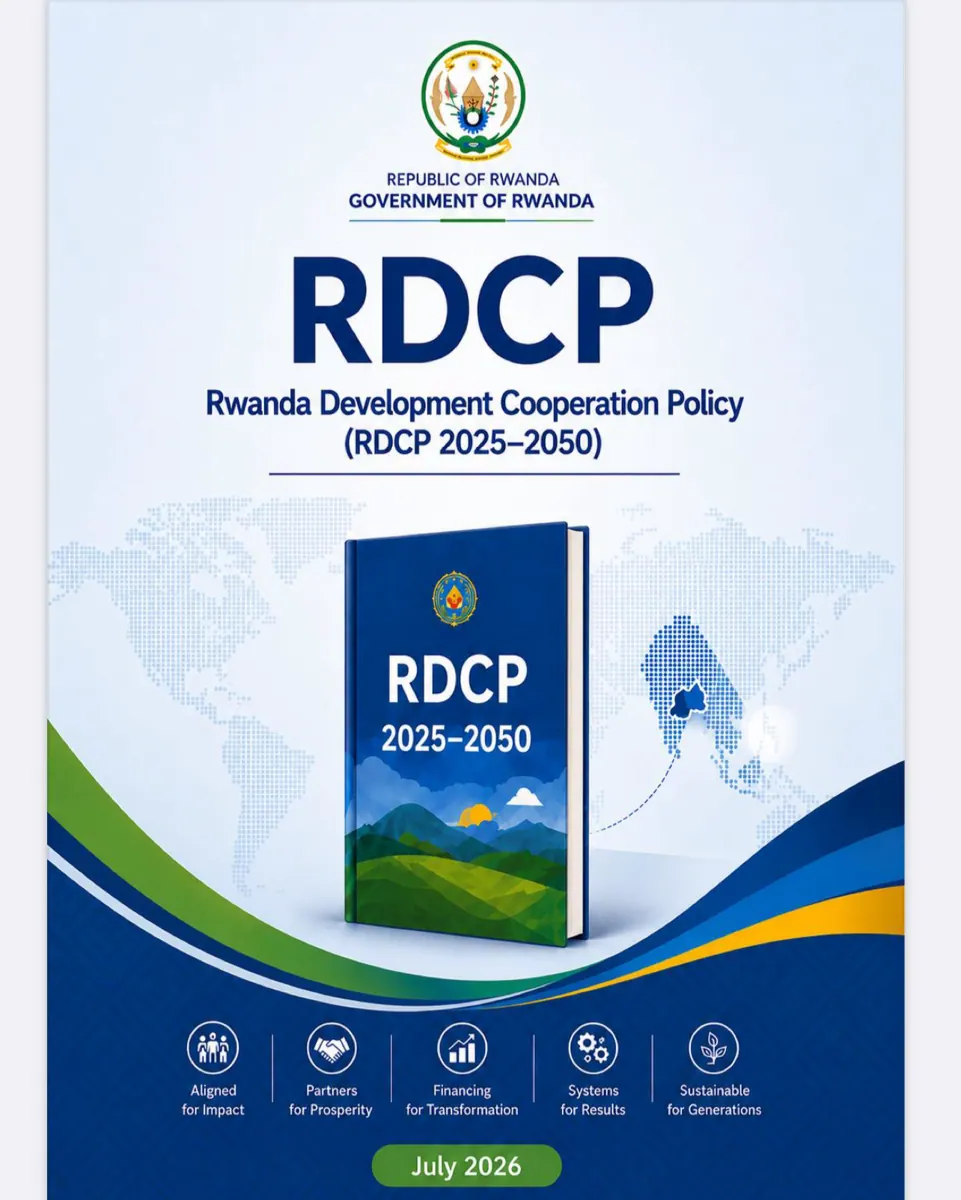
The government of Rwanda has launched a new Development Cooperation Policy aimed at transforming its relationship with development partners. The policy, which replaces the 2006 Aid Policy, outlines a framework for cooperation through 2050. According to Finance Minister Yusuf Murangwa, the country's ambitions and sources of development finance have evolved, necessitating a shift from fragmented projects to a coherent portfolio of national flagship programs and investments.
The new policy proposes that Rwanda sets out its priorities, while partners contribute to and help finance programs within that plan. This approach aims to address the imbalance in development cooperation, where countries seeking support often have to adapt to different partners' funding cycles, procedures, and preferred projects. The policy emphasizes Rwanda's leadership over its development agenda, with partners contributing money and expertise while both sides assess their work against agreed national outcomes.
To implement this policy, six Priority Working Groups will replace 16 Sector Working Groups, focusing on food systems, employment, infrastructure, human development, governance, and sustainable financing. The majority of development cooperation resources will be directed to flagship programs, allowing for coordinated planning of related investments. While smaller pilots and humanitarian assistance may continue, the policy encourages partners to support national plans and budgets, reported through government systems.
The policy's impact is evident in projects like the Muvumba multipurpose dam, which requires not only water storage but also irrigation and connections to farmers and buyers. An additional €45.4 million will support irrigation across 3,073 hectares in Nyagatare, but its success depends on water reaching people. The policy instructs partners to include support in national plans and budgets, reported through government systems, strengthening Rwanda's national systems rather than bypassing them.
Rwanda's 2026/27 budget proposal estimates Rwf 1,974.1 billion in external loans and Rwf 548.3 billion in grants, making up about 32 percent of its proposed Rwf 7,796.3 billion budget. The policy favors grants and highly concessional finance for services that earn no revenue, while commercial borrowing should be considered only where repayment can be justified. This approach gives Rwanda greater national control over financing choices but also greater responsibility for their future costs.
The policy promises annual targets, public reporting, and a dashboard to track commitments and results. Its transition will take up to 24 months after Cabinet approval, pending detailed operating rules and a costed transition plan. The finance ministry described the framework as proposed in July, with implementation to follow approval. The success of the policy depends on whether it improves delivery for citizens while providing partners with credible evidence of their support's impact.
The new policy has significant implications for Rwanda's development cooperation, with a focus on national leadership, coordinated relationships, and measurable results. As the country moves forward with implementation, it will be crucial to monitor progress and assess the policy's effectiveness in achieving its goals. With its emphasis on partnership and accountability, the policy has the potential to enhance development outcomes in Rwanda.
Key points
- Rwanda's new Development Cooperation Policy aims to shift from fragmented projects to a coherent portfolio of national flagship programs and investments.
- The policy favors grants and highly concessional finance for services that earn no revenue, while commercial borrowing should be considered only where repayment can be justified.
- The policy promises annual targets, public reporting, and a dashboard to track commitments and results.