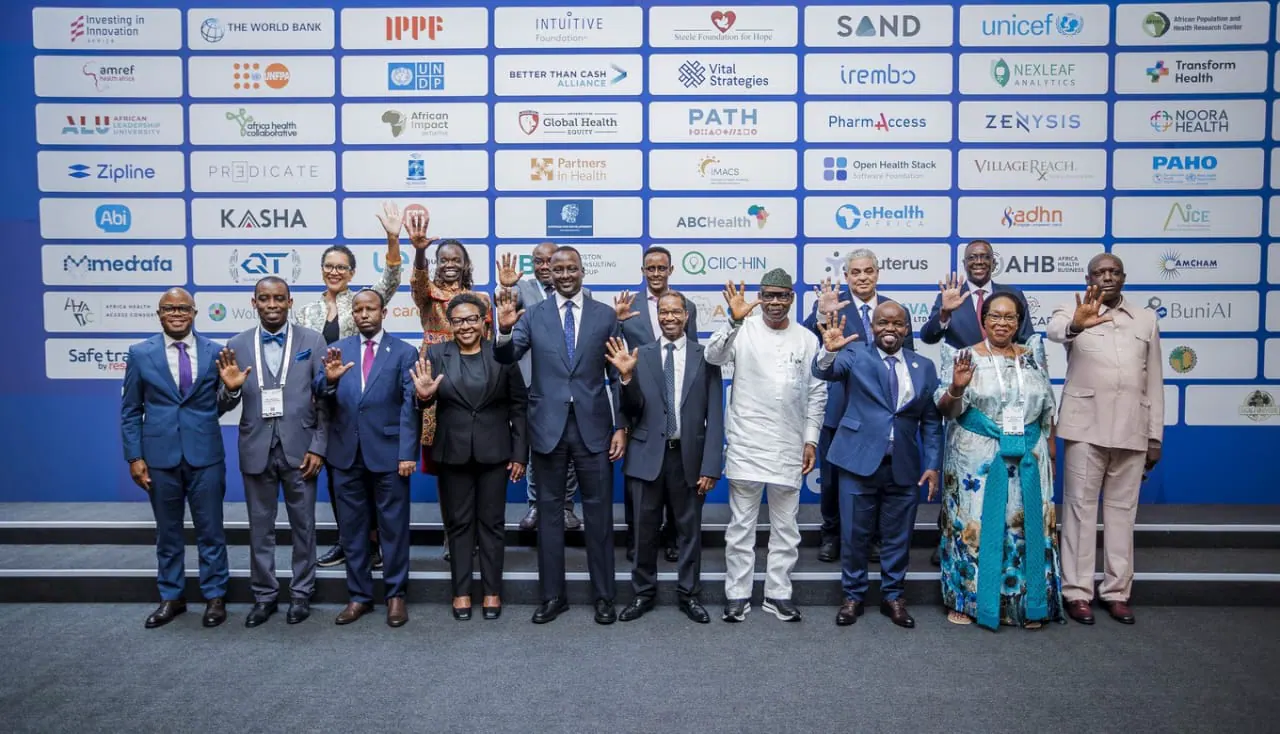
The government of Rwanda is leveraging health data, digital platforms, and artificial intelligence to enhance healthcare decision-making in real-time. This move was announced as African health leaders gathered in Kigali for the fifth Africa HealthTech Summit, which took place from September 30 to October 2. The summit brought together over 5,900 delegates, including policymakers, investors, technology companies, health professionals, and innovators.
At the center of Rwanda's approach is the use of data collected across the health system, from community health workers and health facilities to national referral hospitals. This data is used to identify risks, monitor patients, and guide resource allocation. Rwanda's Minister of State for Health, Dr. Yvan Butera, highlighted the country's ability to use information from communities to understand emerging problems and respond accordingly.
The Health Intelligence Center, launched in 2025, plays a crucial role in Rwanda's approach. The center consolidates health information from across the country and turns it into evidence for policy and operational decisions. It brings together data covering primary healthcare, disease surveillance, emergency response, health financing, health workers, supply chains, and civil registration.
Rwanda has developed digital applications, such as e-Buzima, which digitizes patients' medical records, allowing information to follow patients across health facilities. Another application, e-Banguka, supports real-time ambulance tracking and dispatch. These digital tools, paired with artificial intelligence, are transforming healthcare delivery in Rwanda.
The shift towards data-driven healthcare has significant implications beyond patient care. With health financing under pressure across Africa, access to timely data can help governments identify service gaps, monitor performance, and determine where limited resources are most needed. The summit focused on how African health-tech companies can move from pilot projects to systems capable of operating at national and continental scale.
Rwanda's model reflects a wider push to connect previously separate parts of the health system. The digital architecture allows information from one part of the system to inform decisions elsewhere. This is particularly important for early detection and prevention, as real-time data can support early-warning systems for disease outbreaks and improve resource allocation.
The challenge for African countries is now moving beyond developing technology to scaling, financing, and integrating it into national health systems. The focus is on whether the data generated can translate into faster decisions and better outcomes for patients. Rwanda's approach serves as an example of how data can be used to improve healthcare delivery, and the summit provided a platform for stakeholders to discuss the future of healthcare in Africa.
Key points
- Rwanda uses data, digital platforms, and AI to improve healthcare decision-making.
- The country's Health Intelligence Center consolidates health information to inform policy and operational decisions.
- The approach has implications for healthcare financing and service delivery across Africa.