Rwanda has announced a new partnership with Austria, Denmark, Germany, Greece, and the Netherlands to host migrants who are being deported from these European countries. The arrangement, announced on November 16, 2026, will allow migrants to integrate into Rwandan society or voluntarily return to their countries of origin. This move marks a significant shift in Rwanda's migration policy, positioning the country as a potential destination for migrants whose future in Europe has come to an end.
The partnership targets people who are staying illegally in the five European countries and are subject to enforceable removal decisions. However, the arrangement will not apply to people who qualify for international protection or have another legal basis to remain in these countries. Rwanda's Interior Minister, Vincent Biruta, said the partnership reflects the country's commitment to providing safe, legal, and dignified solutions for migrants. The initiative also aims to address the global imbalance in economic opportunities that drives irregular migration.
Under the proposed model, Rwanda will have the authority to determine which individuals it will accept through a selective screening process. The European governments have indicated that the pilot will exclude minors, with the Netherlands initially focusing on adult men. The selection criteria will differ among participating countries, and the practical arrangements, including the length of stay and integration support, are still being negotiated. International organizations, including the International Organization for Migration (IOM) and the United Nations High Commissioner for Refugees (UNHCR), will provide technical input and support.
The five European countries will cover the costs associated with the program, including the transfer and accommodation of migrants. The partnership is also expected to create opportunities for cooperation in other areas of common interest, although the financial value of the arrangement has not been disclosed. For Rwanda, the potential benefits go beyond the resources committed to receiving and supporting migrants, with opportunities in service provision and other areas associated with integration.
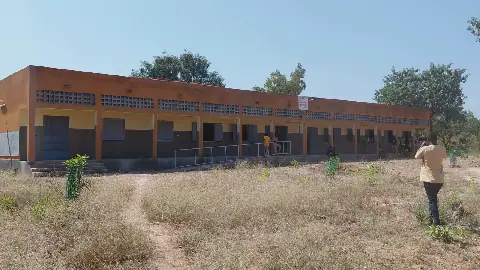
The migrants accepted will be received at designated facilities in Rwanda, including the Gashora centre in Bugesera District, which already has established infrastructure and capacity to accommodate migrants. Upon arrival, they will be granted legal migrant status in Rwanda, allowing them an opportunity to integrate into society. Those who wish to return to their countries of origin will be assisted and facilitated to do so. Rwanda will work closely with relevant United Nations agencies and other international partners throughout the process.
The involvement of international organizations will be crucial in ensuring that the arrangement complies with Rwandan, European, and international law, including human rights obligations. The European Commission participated as an observer and contributed to discussions on implementation in line with European Union law. The governments have committed to ensuring that the arrangement meets international standards and provides the necessary protection and assistance to migrants.
The first group of migrants is expected to arrive in 2027, although no specific month or number has been announced. Important questions remain about how the safeguards will work in practice, the legal status of transferred migrants, their access to services, and the mechanisms available to them if they challenge decisions affecting their rights. For Rwanda, the initiative represents another significant engagement in international migration management, and its ultimate success will depend on whether those arriving can build dignified and sustainable lives.
Key points
- The partnership allows migrants to integrate into Rwandan society or voluntarily return to their countries of origin.
- Rwanda will have the authority to determine which individuals it will accept through a selective screening process.
- The arrangement is expected to create opportunities for cooperation in other areas of common interest between Rwanda and the five European countries.