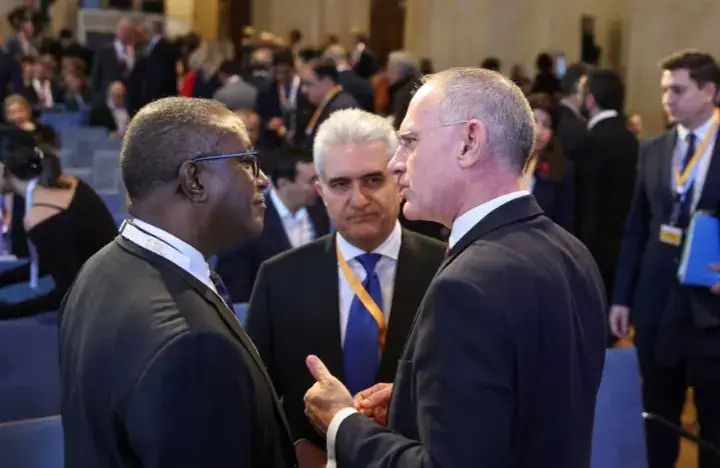
Five European Union countries - Germany, Austria, Denmark, Greece, and the Netherlands - have announced plans to establish a migrant deportation centre in Rwanda. The centre, known as a return hub, will accommodate migrants whose asylum applications have been rejected in Europe and who have exhausted their legal avenues to remain in the EU. The proposed facility is expected to be operational in 2027.
The return hub will be an open reception facility rather than a detention centre, providing residence rights and access to healthcare, education, and employment opportunities for transferred migrants. This allows them to integrate into Rwandan society. Rwanda's Interior Minister, Vincent Biruta, stated that the initiative would provide a second opportunity for people who no longer have the legal right to remain in their European host countries.
The five European countries have agreed to cover the costs of transferring and accommodating migrants in Rwanda, but the financial value of the proposed arrangement has not been disclosed. The European governments are expected to finance relocation, temporary accommodation, and integration services. The initiative has brought renewed attention to a previous migration agreement between Rwanda and the United Kingdom, which was eventually abandoned.
The UK's Migration and Economic Development Partnership, signed in April 2022, committed £370 million to Rwanda in fixed development-related payments. The arrangement also included additional payments of £120 million and up to £150,874 per person to cover asylum processing and integration costs. However, the partnership was terminated in 2024, and Britain did not transfer any asylum seekers to Rwanda under the scheme.
Human rights organisations have criticised the proposed arrangement, questioning whether transferring migrants to a third country provides sufficient protection for their fundamental rights. The United Nations refugee agency, UNHCR, has stressed that any such arrangements must comply with international refugee and human rights law. The participating governments maintain that the initiative will operate within European and international legal frameworks.
The European Union's new Returns Regulation, approved in October 2026, provides a legal framework allowing member states to establish return hubs outside the bloc, subject to human rights protections and other international legal obligations. The regulation excludes unaccompanied minors from such arrangements. The announcement places Rwanda at the centre of a new European approach to migration management.
The initiative is a major shift in European migration management, according to Danish Prime Minister Mette Frederiksen. She argued that the arrangement would help European governments regain control of their borders and discourage irregular migration. The initial facility is expected to accommodate approximately 100 people, with each participating country potentially transferring around 20 migrants.
Key points
- The proposed facility in Rwanda will accommodate migrants whose asylum applications have been rejected in Europe.
- The five European countries have agreed to cover the costs of transferring and accommodating migrants in Rwanda.
- Human rights organisations have criticised the proposed arrangement, questioning its impact on migrants' fundamental rights.