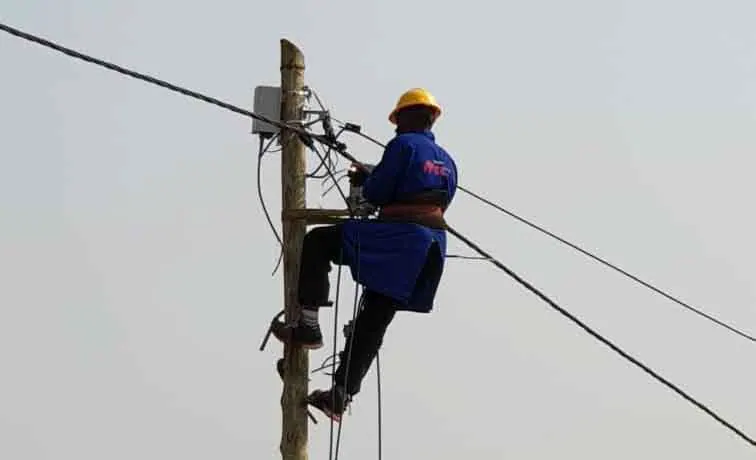
Rwanda's Minister of Infrastructure, Damien Murwanashyaka, has presented the government's strategy for strengthening the energy sector, including major electricity projects being implemented across the country. The plans aim to increase power generation and extend access to facilities that provide services of public interest. This move is part of efforts to ensure that infrastructure development contributes directly to social and economic development.
The Minister emphasized the government's commitment to investing in projects that will increase the electricity available in the country while expanding access to facilities that serve the public interest. Murwanashyaka briefed Senators on ongoing projects and challenges being considered in national planning as Rwanda seeks to expand electricity infrastructure. These challenges include ensuring that new infrastructure is developed in line with the country's growing needs and that investments in the sector support broader development priorities.
The engagement with Senators comes as Rwanda continues to prioritize energy infrastructure as a key driver of economic transformation. Electricity is needed to support businesses, industries, public institutions, and households. The government's ongoing investments are expected to increase electricity availability while strengthening the infrastructure needed to deliver reliable power to communities and public facilities across Rwanda.
Murwanashyaka highlighted the importance of planning for the sector, considering both current electricity needs and future demand. This is particularly crucial as the country expands economic activities and infrastructure. The Minister's presentation to Senators aimed to ensure that the government's strategy aligns with the country's development priorities and addresses the growing needs of the population.
Rwanda's focus on energy infrastructure is driven by its recognition of the sector's potential to drive economic growth and transformation. The government is working to address the challenges facing the sector, including the need for reliable and efficient power supply. By investing in electricity infrastructure, Rwanda aims to support the growth of businesses, industries, and public institutions.
The government's plans to expand electricity access are also expected to have a positive impact on the country's social and economic development. By providing reliable power to public-interest facilities, the government aims to improve the delivery of essential services, such as healthcare and education. This, in turn, is expected to enhance the overall quality of life for Rwandans.
As Rwanda continues to implement its plans to expand electricity access, the government is likely to face challenges related to funding, infrastructure development, and ensuring that the needs of all stakeholders are met. However, with a clear strategy in place, the government is well-positioned to address these challenges and achieve its goals in the energy sector.
Key points
- The government aims to increase electricity availability while strengthening the infrastructure needed to deliver reliable power to communities and public facilities across Rwanda.
- Rwanda's focus on energy infrastructure is driven by its recognition of the sector's potential to drive economic growth and transformation.
- The government's plans to expand electricity access are expected to have a positive impact on the country's social and economic development.