The International Monetary Fund (IMF) has agreed to provide Rwanda with $35.7 million, equivalent to approximately 53 billion Rwandan francs, as the first tranche of a $250 million loan agreement. This follows a staff-level agreement between Rwanda and the IMF on the first review of the country's economic program. The funds will be disbursed after approval by the IMF's Executive Board, expected in December 2026.
The IMF praised Rwanda's economic performance, citing a 9.7% growth rate in the first six months of 2026 and a reduction in the budget deficit to 4.8% of GDP in the 2025/26 fiscal year. The fund also commended Rwanda's efforts to increase revenue through tax reforms and improve public financial management. However, the IMF noted that challenges persist, particularly inflation, which rose to 15.7% in August 2026, above the central bank's target of 5%.
According to Albert Touna Mama, head of the IMF mission to Rwanda, the inflation surge is largely attributed to global market pressures and increases in petroleum and agricultural commodity prices. He emphasized the need for continued monetary policy efforts to bring inflation back to target. The IMF's support aims to help Rwanda address economic vulnerabilities and maintain macroeconomic stability.
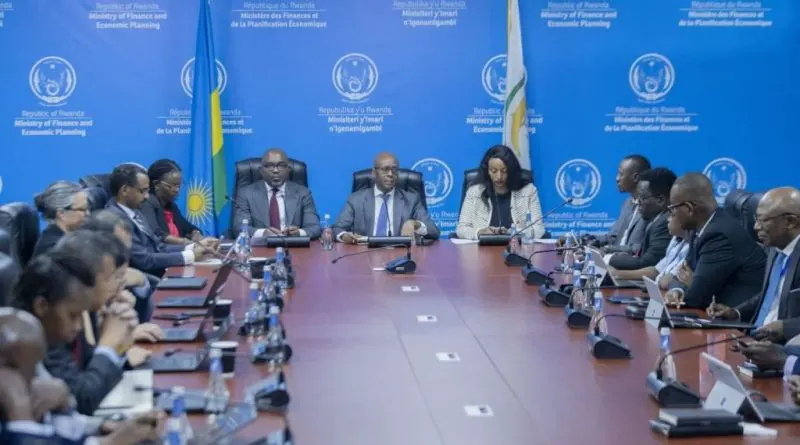
Rwandan Finance Minister Yusuf Murangwa stated that the IMF funds will help the country mitigate the impact of global economic shocks while continuing to invest in economic development and reform. The government is committed to increasing domestic revenue, improving budget management, and ensuring debt sustainability. The IMF program, initiated in June 2026, has a total value of $250 million and a duration of 38 months.
The loan agreement is contingent on Rwanda meeting specific economic targets, including revenue mobilization and public financial management reforms. The IMF will disburse further tranches based on Rwanda's progress in implementing these reforms. The program aims to support Rwanda's economic development and poverty reduction efforts.
The Rwandan economy has shown resilience in the face of global economic challenges. The IMF's support will help the country maintain economic stability and achieve its development goals. The government's efforts to increase domestic revenue and improve budget management are critical to ensuring the long-term sustainability of Rwanda's economic growth.
The IMF's loan to Rwanda is part of a broader effort to support low-income countries facing economic challenges. The fund's engagement with Rwanda aims to promote economic stability, growth, and poverty reduction. The program's success will depend on the government's continued commitment to implementing economic reforms and meeting the agreed-upon targets.
Key points
- The IMF has agreed to provide Rwanda with $35.7 million as part of a $250 million loan agreement.
- Rwanda's economic growth rate reached 9.7% in the first six months of 2026.
- Inflation in Rwanda rose to 15.7% in August 2026, above the central bank's target of 5%.