In the Musanze district of Rwanda, local youth have expressed their appreciation for the government's efforts to curb the production and consumption of homemade intoxicating drinks and substances. For years, these substances, known as "inkyuma" and "inzoga z'inkorano," had been a major concern, causing health problems, family breakdowns, and hindering education and economic opportunities.
The issue had become so severe that it was not uncommon to see young people abandoning their studies or losing their life savings to these substances. According to Bizimana Aloys, a young resident of the Bikara sector, the consumption of "inkyuma" had become a significant problem, leading some to lose focus on their lives and squander their resources on these substances.
Alice Mukangabirano, a young woman from the same area, shared her concerns about the negative impact of these substances on the youth, including frequent illnesses and a lack of motivation to work or study. She welcomed the government's efforts to combat the production and consumption of these substances, expressing hope that this would lead to a more productive and healthy youth population.
The issue was not limited to the youth; it also had a significant impact on families and communities. Kazindutsi, a parent from the Nkotsi sector, shared his struggles with his three sons, who were addicted to "inkyuma" and would often assault him when they were intoxicated. The situation had become so dire that Kazindutsi felt like he was losing control of his household.
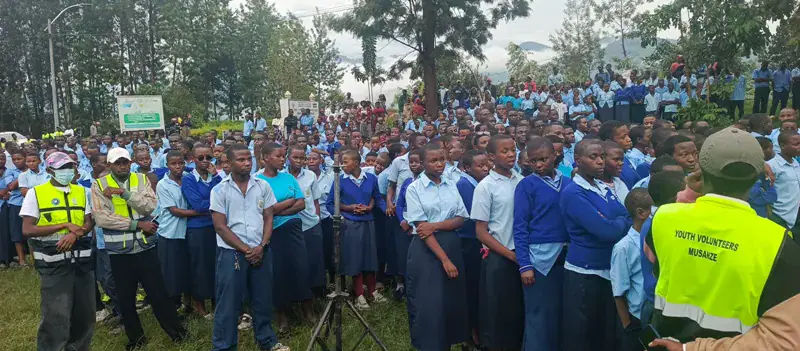
Robert Byiringiro, the leader of youth volunteers in the Musanze district, emphasized that combating these substances required a comprehensive approach that went beyond simply advising the youth to stop consuming them. He stated that the volunteers were working to provide alternative activities and support to help young people overcome their addictions and rebuild their lives.
Herman Micomyiza, the secretary-general of the Nkotsi sector, reported that the issue of homemade intoxicating drinks and substances had been severe in the area, with eight people dying from related health problems in 2026 alone. He noted that the substances not only affected the health of those who consumed them but also led to other serious crimes, such as assault and murder.
The government, in collaboration with local authorities and youth volunteers, is working to combat the production and consumption of these substances through a multi-faceted approach. This includes providing support to those struggling with addiction, promoting economic opportunities, and raising awareness about the dangers of these substances. So far, the youth volunteers have helped 6 young people acquire cows and 39 others acquire small livestock, such as goats and pigs, to help them overcome poverty.
Key points
- The Rwandan government has intensified efforts to curb the production and consumption of homemade intoxicating drinks and substances.
- Local youth have welcomed the government's efforts, citing the positive impact on their lives and communities.
- The issue of homemade intoxicating drinks and substances has had a significant impact on families and communities, leading to health problems, family breakdowns, and economic challenges.