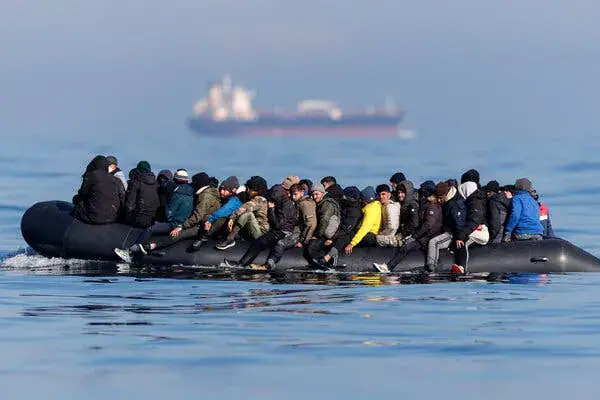
Rwanda has sparked an international debate with its plan to accommodate migrants from European countries. French MP Prisca Thevenot questioned the proposal, prompting Foreign Affairs Minister Olivier Nduhungirehe to defend Rwanda's experience in hosting refugees. Nduhungirehe argued that Rwanda is offering a practical response to a migration crisis that many countries have struggled to solve. The proposal is under discussion with Austria, Denmark, Germany, Greece, and the Netherlands.
The return hub would be for people whose asylum claims have been rejected and who face enforceable return decisions. The Netherlands said the first phase would involve single men and that transferred people would have residence rights and access to education, work, healthcare, and the legal system. The European countries would cover the costs. According to Reuters, the pilot could initially accommodate about 100 people at a time, a small number compared to Europe's wider migration challenge.
Rwanda has a track record of hosting refugees and asylum seekers. Since 2019, the country has received thousands of people evacuated from Libya through an emergency arrangement with the African Union and UNHCR. Rwanda's government reported that over 3,000 people had arrived and 2,681 had been resettled in third countries, including 332 in France. The country also hosts over 140,000 refugees and asylum seekers, mainly from the Democratic Republic of Congo and Burundi.
Rwanda's laws provide for refugees' access to national services, including education and healthcare. However, UNHCR reports that most refugees in Rwanda continue to live in camps. The proposed return hub's accommodation, legal protections, and residents' freedom of movement will depend on arrangements still being developed. The country's experience with the Afghan girls' school SOLA, which resumed classes in Rwanda after the Taliban returned to power in 2021, offers an example of its response to urgent needs.
The SOLA school community, nearly 250 members, arrived in Rwanda on August 25, and classes resumed four days later. Rwanda also helped Sudanese medical students continue their studies at the University of Rwanda after their university in Khartoum closed due to fighting. One student, Dina Abdalrahim Obaid, thanked Rwanda for offering "refuge and opportunity to continue our studies." The students could continue their curriculum and train in local hospitals.
Serious questions remain about the proposed return hub, including its location and conditions. UNHCR is advising the participating governments on international standards and the protection of people in need. The UK's earlier Rwanda arrangement, which proposed transferring asylum seekers while their claims were still being processed, was found unlawful by the UK Supreme Court in 2023. The new proposal concerns people whose claims have already been rejected, but it will still need clear safeguards and independent scrutiny.
Critics of Rwanda's plan, including Thevenot, have been accused of selective criticism. France, which is not part of the proposed return hub, has accepted hundreds of people resettled through Rwanda's Libya evacuation programme. Rwanda's offer deserves close examination and fair scrutiny, assessing the actual safeguards rather than reducing the country's role to a caricature. The proposed hub is not a complete answer to the migration crisis, but it reflects Rwanda's willingness to share responsibility and help address migration pressures confronting Europe.
Key points
- Rwanda plans to host a return hub for rejected asylum seekers from European countries, with the first phase involving single men.
- The proposed hub would provide residence rights and access to education, work, healthcare, and the legal system for transferred people.
- Critics of Rwanda's plan have been accused of selective criticism, given France's acceptance of hundreds of people resettled through Rwanda's Libya evacuation programme.