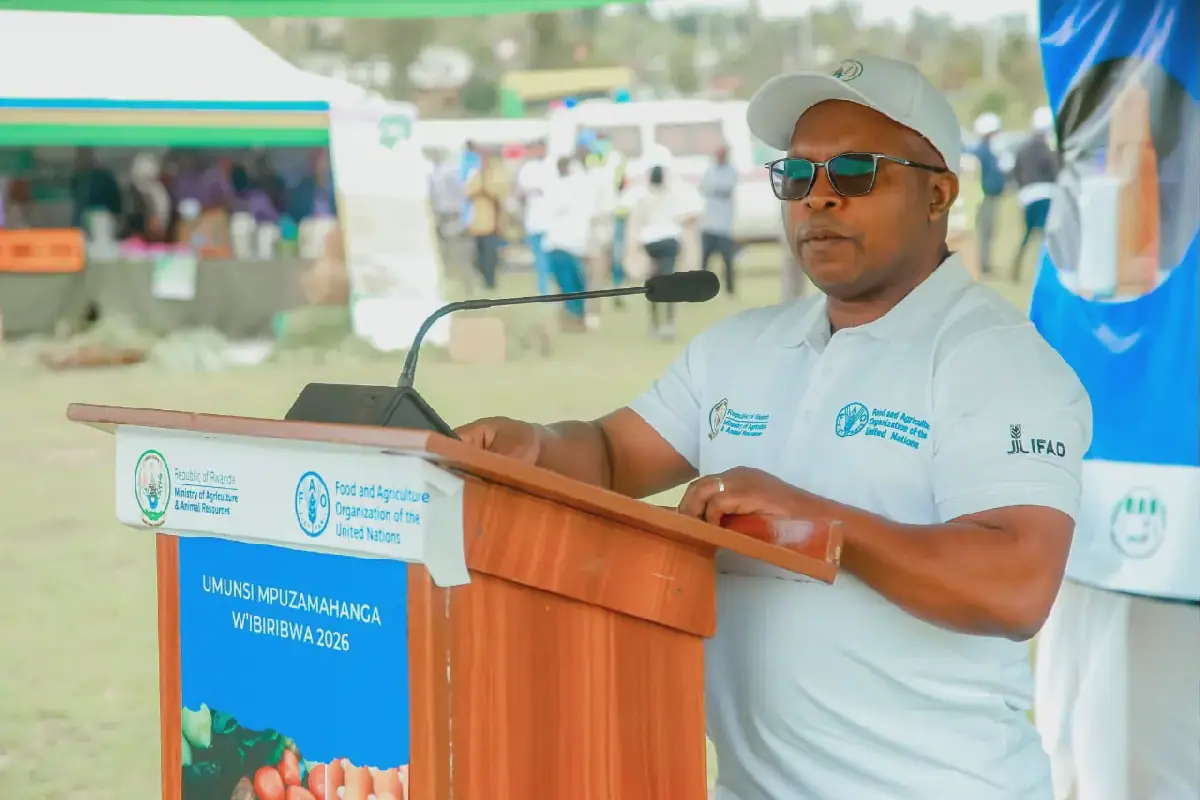
On October 30, 2026, Rwanda celebrated World Food Day in the Gatsibo District, where Dr. Ndabamenye Telesphole emphasized the importance of agriculture and animal husbandry in the country's economy and well-being. He stressed that collaboration is crucial to overcome challenges and achieve food self-sufficiency. The Minister highlighted the need for innovative approaches in agriculture and animal husbandry to address climate change and ensure a stable food supply.
Dr. Ndabamenye Telesphole urged farmers to adopt best practices, including using fertilizers at the right time, and to plan for harvesting and storage to minimize losses. He also encouraged livestock farmers to plant high-quality fodder and participate in crop insurance programs. The Minister emphasized that achieving food self-sufficiency requires a collective effort and a shift in mindset.
Mohamed AW Dahir, the Resident Representative of the Food and Agriculture Organization (FAO) in Rwanda, praised the government's efforts to promote agriculture and achieve food self-sufficiency. He noted that Rwanda has made significant progress in this area and expressed the FAO's commitment to supporting the country's initiatives.
During the celebration, farmers showcased their produce, highlighting the success of those who have adopted best practices in agriculture. Rutembesa Protasi, a farmer from Murambi, reported that his efforts in growing cassava have improved his livelihood and enabled him to support his community. He emphasized that good agricultural practices have helped him increase his yields and income.
Joseph Munyaburanga, the manager of the COPRORIZ Ntende cooperative, stressed that good agricultural practices are essential for achieving food self-sufficiency and improving the lives of rural communities. He noted that the cooperative has shifted its focus from traditional farming to more profitable and sustainable practices.
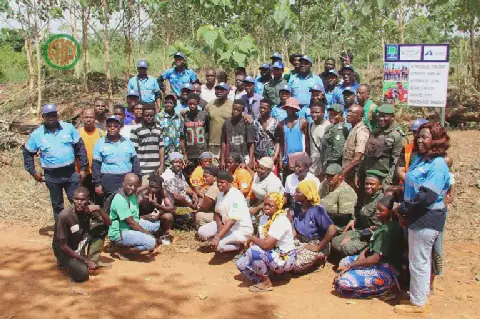
The World Food Day celebrations in Rwanda included various activities, such as distributing fertilizers to farmers, planting fruit trees, and promoting high-quality fodder for livestock. These initiatives aim to promote sustainable agriculture and improve food security in the country.
The Ministry of Agriculture and Animal Resources has reiterated its commitment to supporting farmers and promoting sustainable agriculture practices. By working together, the government and citizens aim to achieve food self-sufficiency and improve the country's economy and well-being.
Key points
- The Rwandan government is promoting collaboration and innovative approaches in agriculture to achieve food self-sufficiency.
- Farmers who have adopted best practices in agriculture have reported improved yields and income.
- The FAO has expressed its commitment to supporting Rwanda's initiatives to promote agriculture and achieve food self-sufficiency.