Rwanda has reported a decline in malaria incidence to 72 cases per 1,000 people during the 2025-2026 malaria season, down from 76 cases per 1,000 recorded the previous year. According to health authorities, the decline is attributed to intensified interventions in districts and sectors with the highest burden. The government has been working to control malaria amid changing environmental and epidemiological conditions. Despite the decline, the latest incidence remains significantly higher than the 45 cases per 1,000 people recorded in the 2023-2024 season.
Malaria cases in Rwanda reached a peak of 168,235 in November 2025 before falling steadily to 28,127 cases in June 2026. The districts with the highest number of reported malaria cases between January and August 2026 were Ngoma with 38,081 cases, Gasabo with 37,452 cases, and Kayonza with 28,298 cases. These districts have been prioritized for targeted interventions to reduce the transmission of malaria.
The government is using a targeted approach to direct malaria prevention resources to areas experiencing the highest transmission rates. Sectors recording more than 100 malaria cases per 1,000 people are prioritized for indoor residual spraying, a measure designed to kill mosquitoes that come into contact with treated walls. This approach aims to reduce the mosquito population and prevent further transmission.
Areas recording between 30 and 99 cases per 1,000 people are targeted with the distribution of insecticide-treated mosquito nets to strengthen household-level protection. Health authorities are also rotating malaria treatment medicines as part of efforts to delay the development and spread of drug resistance. This strategy aims to prevent the spread of resistant strains of malaria.
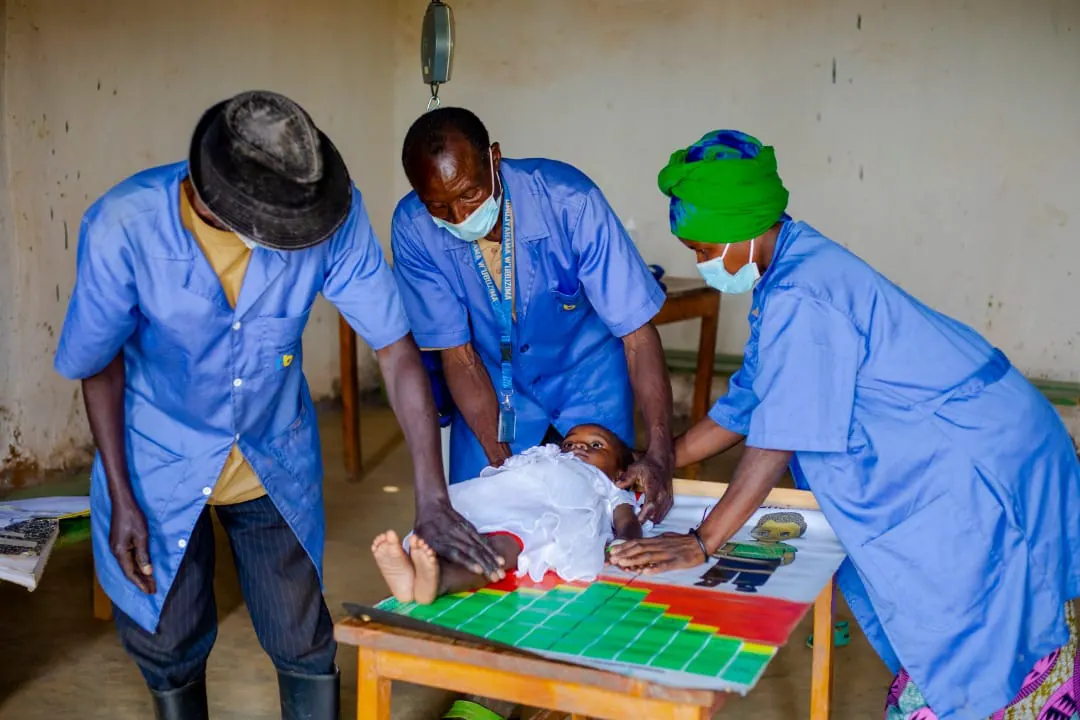
Household testing is another strategy being implemented, where health workers screen people living in households where a malaria infection has been confirmed. This approach aims to identify additional infections that may otherwise go undetected. By detecting and treating cases early, the government hopes to reduce the transmission of malaria.
Despite the progress made, several factors continue to complicate malaria control efforts. Health officials are facing increasing insecticide resistance and signs of partial drug resistance, while prolonged rainfall has created favorable conditions for mosquito breeding. Human activities, including mining, rice farming, and construction, can also create stagnant-water breeding sites, further increasing the risk of transmission.
The decline from 76 to 72 cases per 1,000 people represents progress compared with the previous malaria season, but the gap with the 45 cases per 1,000 recorded in 2023-2024 shows that sustained and targeted interventions remain necessary to bring transmission down further. The government will continue to work to control malaria and reduce the incidence of the disease.
Key points
- Malaria incidence in Rwanda declined to 72 cases per 1,000 people in 2025-2026 season
- Government is using targeted interventions in high-burden areas to control malaria
- Insecticide resistance and environmental factors continue to complicate malaria control efforts