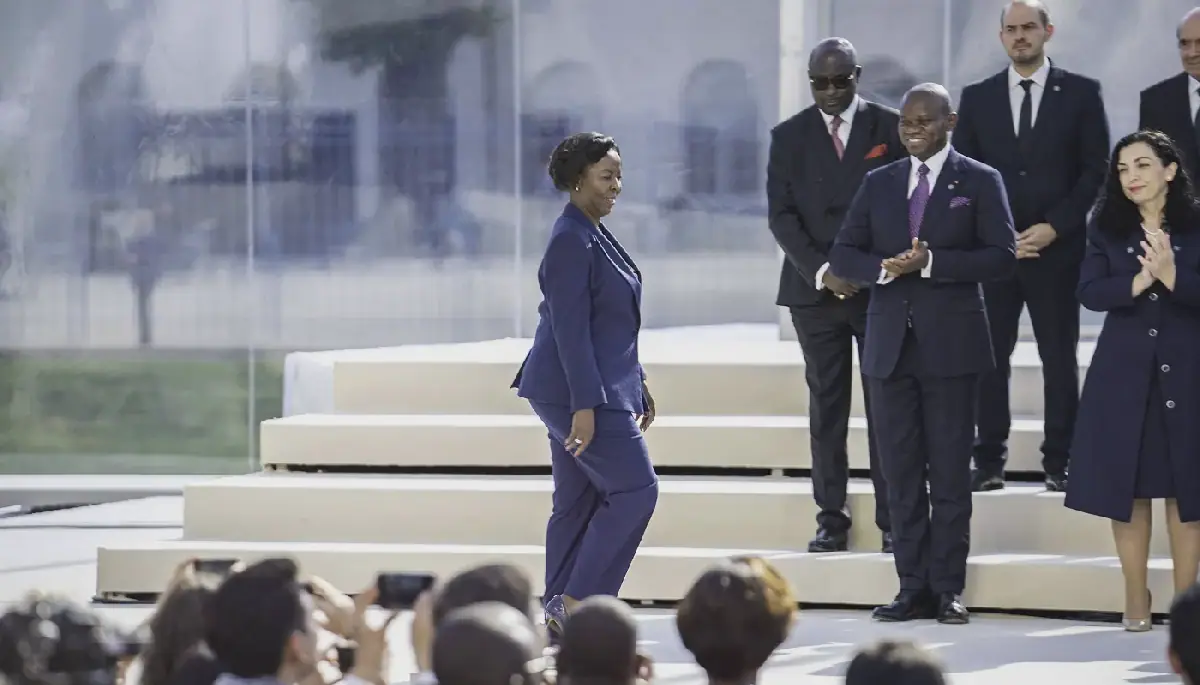
Louise Mushikiwabo, a Rwandan national, is currently serving her second term as the leader of L’Organisation internationale de la Francophonie (OIF). She is seeking a third term and is likely to secure it, as the organization is scheduled to hold elections for its new leader on November 16 in Phnom Penh. Mushikiwabo has been the leader of the OIF since her election in 2018 and was re-elected in 2022.
The election has sparked rivalry between Rwanda and the Democratic Republic of Congo (DRC). The DRC has fielded Juliana Amato Lumumba as its candidate for the top job, amid accusations by Kinshasa that Kigali is aiding rebels in the Eastern part of the DRC. Kigali has vehemently rejected these accusations and has in turn accused the Kinshasa regime of providing cover to FDLR rebels, designated by Washington as a terrorist organization.
Mushikiwabo has the advantage of incumbency, having mastered the decision-making mechanisms and internal balances of the organization. She can defend the continuity of her actions based on a record that members have observed over two terms. The precedent of Abdou Diouf, who led the Francophonie for three terms, shows that another reelection is possible.
French President Emmanuel Macron expressed support for Mushikiwabo's candidacy in 2018, saying she has all the skills for the job. Rwandan leader Paul Kagame has also actively lobbied African leaders and OIF member states to secure Mushikiwabo's election. This has sparked concerns that the election is becoming increasingly politicized.
The Congolese candidate, Juliana Amato Lumumba, faces a challenge in convincing delegations favorable to alternation but reluctant to see the next leadership dominated by tensions between the two capitals. Her candidacy raises questions about the place of the Francophonie's main demographic and cultural hubs in its leadership and programs.
The rivalry between Rwanda and the DRC has implications for the region, with ongoing military campaigns in the Eastern part of the DRC. The outcome of the election will be closely watched, as it may have significant implications for the Francophonie and its member states.
The election outcome may lead some members to favor stability, while others may seek new priorities. With several candidates in the running, including Mauritanian Coumba Bâ and Romanian Dacian Cioloș, the competition is expected to be fierce. However, Mushikiwabo's experience and incumbency give her a strong chance of securing a third term.
Key points
- Louise Mushikiwabo seeks a third term as leader of La Francophonie.
- The election has sparked rivalry between Rwanda and the Democratic Republic of Congo.
- Mushikiwabo faces competition from Juliana Amato Lumumba, Coumba Bâ, and Dacian Cioloș.