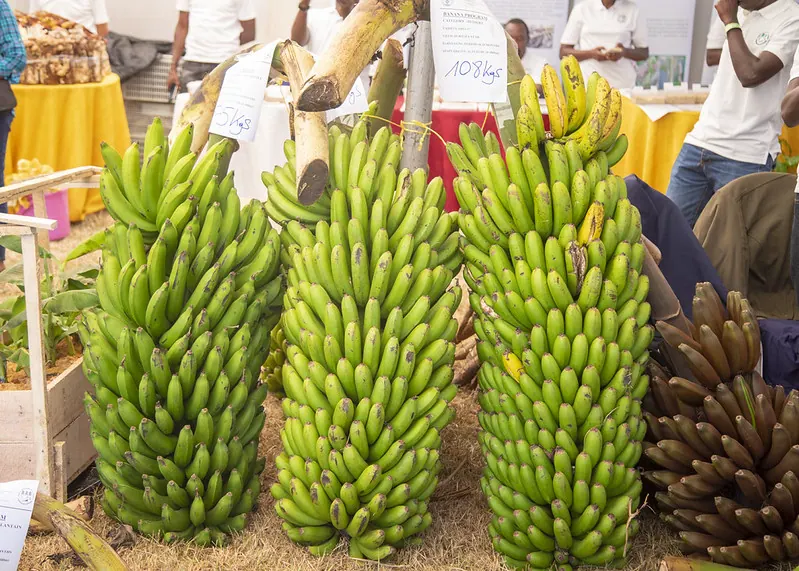
The National Bank of Rwanda (BNR) has warned that food prices in the country may continue to rise due to various factors, including low agricultural production, high energy costs, and the increasing cost of imported goods. According to BNR Governor, Soraya Hakuziyaremye, the country's inflation rate has been rising, reaching 11.2% in the first half of 2026, up from 7.3% in the same period in 2025.
The central bank attributes the rising inflation to supply-side shocks, including low agricultural production and high energy costs. In the first and second quarters of 2026, inflation remained above the BNR's target ceiling of 8%. The bank notes that low agricultural production, particularly in the first crop season, has contributed significantly to the rising food prices.
Governor Hakuziyaremye stated that the situation is further complicated by external factors, including rising petroleum prices and other imported goods. This has led to increased transportation costs, which have contributed to higher prices of goods and services. The BNR warns that if these factors persist, they may lead to a sustained increase in prices.
The central bank also notes that the rise in inflation may lead to a phenomenon known as "second-round effects," where businesses and individuals begin to expect continued price increases, leading to changes in their behavior. For example, businesses may raise their prices not only due to increased costs but also in anticipation of future price increases.
The BNR is concerned that the rising inflation may have a ripple effect on the economy, particularly if it leads to increased wage demands. If wages rise sharply, businesses may respond by increasing their prices, leading to a wage-price spiral. However, the central bank notes that the impact of wages on inflation in Rwanda has been relatively limited so far.
Despite these challenges, the BNR has announced that it will continue to implement monetary policy measures to combat inflation and bring it back within its target range of 2-8%. The bank expects inflation to peak at 13.9% in 2026 but forecasts that it will begin to decline in 2027, potentially falling below 8% in the second half of the year.
However, this forecast is subject to various risks, including unpredictable weather patterns, rising agricultural input costs, high petroleum prices, and global food price trends. If these risks materialize, they may undermine the BNR's efforts to bring inflation under control, and food prices may continue to rise.
Key points
- Low agricultural production and high energy costs are driving inflation in Rwanda.
- The country's central bank expects inflation to peak at 13.9% in 2026 before declining in 2027.
- Rising food prices may have a significant impact on the livelihoods of ordinary Rwandans.