Rwanda's economy has experienced rapid growth, expanding by 9.7% in the first half of 2026, significantly exceeding the government's full-year growth target of 6.8%. This strong growth comes against a challenging backdrop of high inflation, tighter monetary policy, and pressure to keep public finances under control. The fiscal deficit narrowed to 4.8% of GDP in the 2025/26 financial year, indicating a positive trend in the country's economic management.
The International Monetary Fund (IMF) has reached a staff-level agreement on the first review of Rwanda's Extended Credit Facility program, acknowledging that the country has met all end-June quantitative performance criteria and is advancing structural reforms. However, the IMF warns that fiscal consolidation will remain critical to preserve debt sustainability and rebuild policy buffers. This balancing act is crucial for Rwanda to sustain its economic growth while managing its debt.
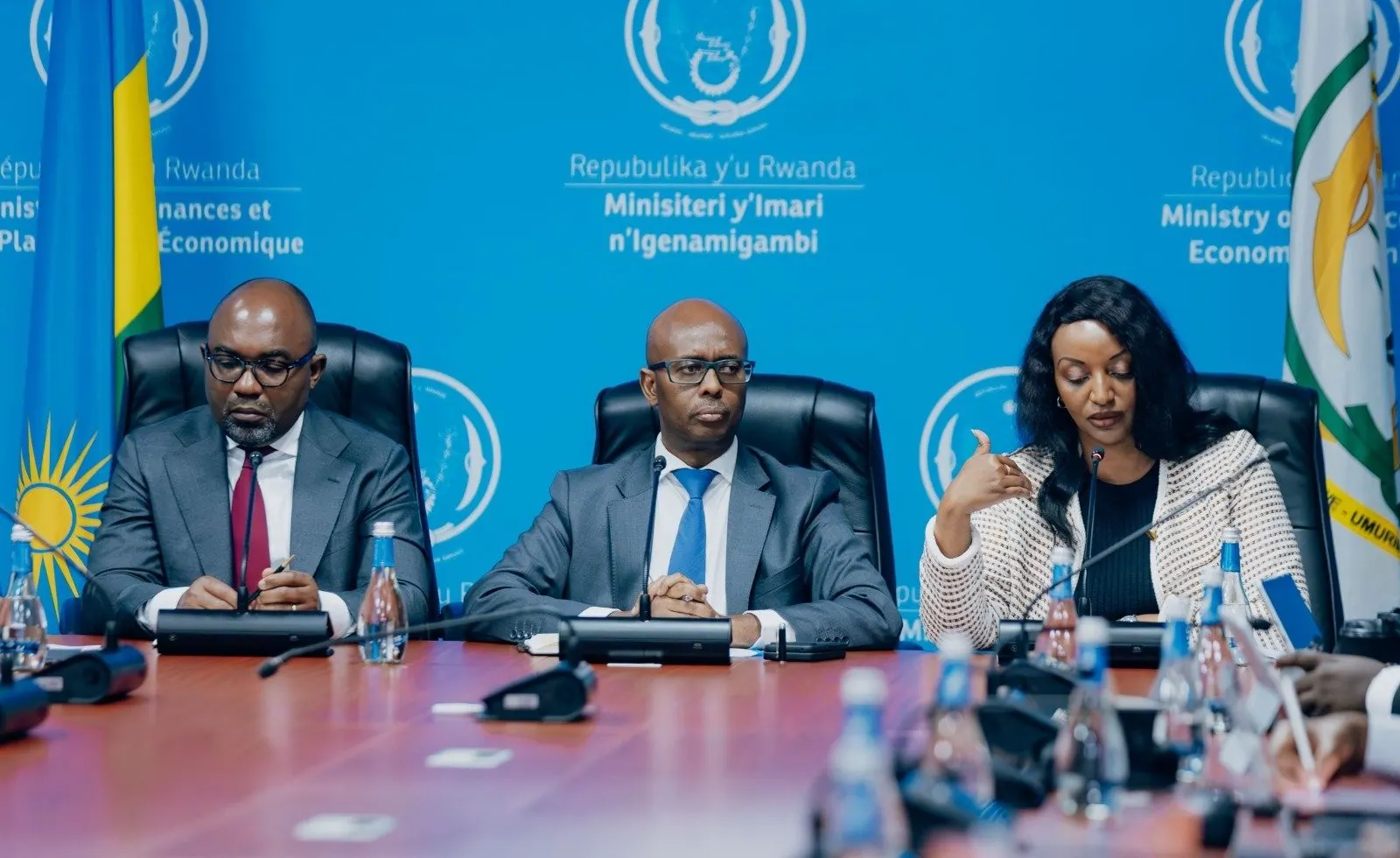
Finance Minister Yusuf Murangwa emphasized that Rwanda's strategy is to channel borrowed funds into investments capable of generating returns greater than the cost of borrowing. He rejected the idea that taxation would be the main answer to paying off government loans, instead focusing on growth. Murangwa highlighted that much of Rwanda's borrowing is concessional, with very low or zero interest rates and long repayment periods, which will help the country manage its debt.
Inflation has been a significant challenge for Rwanda, reaching 15.7% in August due to higher international oil and fertilizer prices, as well as supply constraints affecting agricultural products. Central Bank Governor Soraya Hakuziyaremye noted that high inflation causes harm to households and businesses, reducing their purchasing power. The central bank's immediate challenge is to prevent these pressures from becoming entrenched.
The central bank plans to maintain a data-driven and focused monetary policy to return inflation towards the 5% medium-term target. Based on the central bank's latest projections, inflation is expected to fall below 8% from 2027. Governor Hakuziyaremye emphasized that monetary policy will remain focused on addressing inflation, and only then will the central bank be in a position to recalibrate its monetary policy.
The IMF expects Rwanda's economy to grow by 7.8% in 2026 and 7.2% in 2027, but notes that downside risks include global commodity volatility, geopolitical tensions, weather shocks, and tighter global financing conditions. Despite these risks, IMF Mission Chief for Rwanda Albert Touna Mama expressed confidence that Rwanda's fiscal targets remain achievable, citing the government's record under the current program.
Rwanda's government must now navigate a policy environment where sustaining investment, containing inflation, and keeping debt at a manageable level all compete for room within the same economy. The next phase is to navigate whether the country can convert its strong growth into broader economic gains while bringing down inflation and ensuring that borrowing continues to support productive investment.
Key points
- Rwanda's economy grew 9.7% in the first half of 2026, surpassing the government's full-year target of 6.8%.
- Inflation reached 15.7% in August, driven by higher international oil and fertilizer prices, and supply constraints affecting agricultural products.
- The IMF expects Rwanda's economy to grow by 7.8% in 2026 and 7.2% in 2027, but notes downside risks including global commodity volatility and geopolitical tensions.