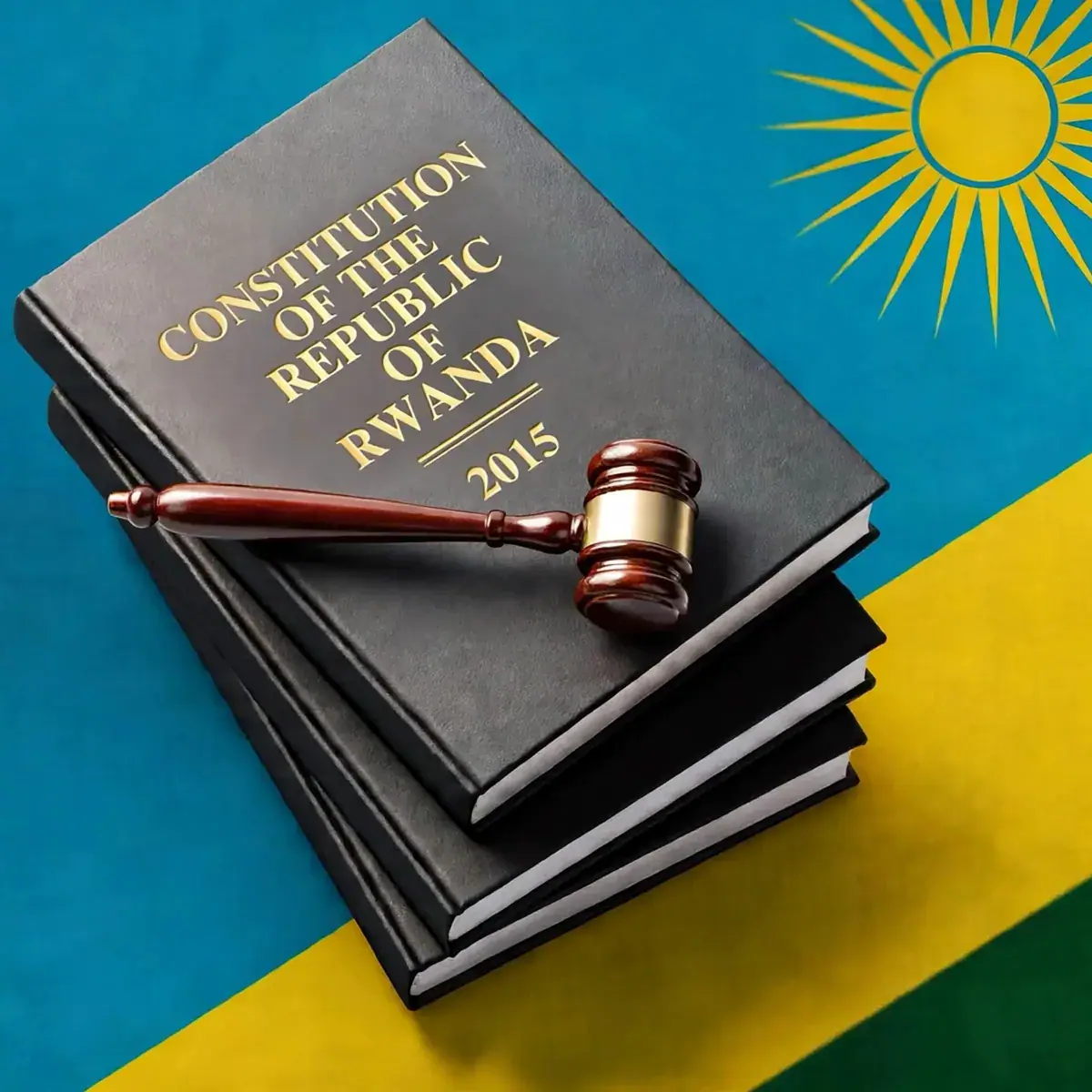
The Constitution of Rwanda, the country's supreme law, outlines fundamental principles that govern the nation. It contains provisions that protect citizens' daily lives, including their rights when interacting with authorities. Many Rwandans view the Constitution as a document only relevant to politicians and judges, but it also safeguards individual rights. For instance, citizens have the right to privacy and protection from arbitrary searches.
One of the rights protected by the Constitution is the inviolability of one's home. Authorities cannot search a person's home without a warrant, and even then, they must follow specific procedures. In the case of Ubushinjacyaha v. NTEZIRYAYO Damien, the Supreme Court ruled that law enforcement must obtain a warrant from the prosecutor before conducting a search. The court also emphasized that the search must be conducted in the presence of the homeowner or local authorities.
The Constitution also presumes that every individual is innocent until proven guilty by a court of law. This principle, known as "in dubio pro reo," places the burden of proof on the prosecution to demonstrate the accused's guilt. When arrested, citizens have the right to know the charges against them, to remain silent, and to be represented by a lawyer. This protection ensures that individuals are not wrongly accused or convicted.
The Constitution protects citizens from being charged with a crime that did not exist at the time of the alleged offense. This principle, known as "nullum crimen, nulla poena sine lege," ensures that individuals are not held accountable for actions that were not previously considered crimes. Additionally, the Constitution prohibits the punishment of individuals for crimes they did not commit, and it safeguards the rights of those accused.
Citizens also have the right to own and protect their property. The Constitution guarantees that individuals' property will not be confiscated arbitrarily, and that any expropriation must follow due process and provide fair compensation. If the government needs to acquire land for public purposes, it must follow the law and provide adequate compensation.
The Constitution takes precedence over all other laws, and citizens have the right to challenge laws that contradict it. In the case of Me Richard Mugisha, the Supreme Court struck down provisions of a law that restricted freedom of expression, demonstrating the Constitution's power to protect citizens' rights. Citizens can petition the Supreme Court to review laws that they believe infringe on their rights.
The Constitution has been instrumental in shaping Rwanda's jurisprudence and protecting citizens' rights. Through various cases, the Supreme Court has clarified and enforced constitutional provisions, demonstrating the document's importance in safeguarding individual freedoms. By understanding and invoking their constitutional rights, Rwandans can ensure that their fundamental freedoms are respected and protected.
Key points
- The Constitution of Rwanda guarantees citizens' rights, including home protection, fair treatment, and property ownership.
Reporting sources
- Uburenganzira Itegeko Nshinga riguha ushobora kuba utari uzi ! · https://umuseke.rw/