Rwanda is bolstering its agricultural value chain with a new investment in four local enterprises developing solutions to food production challenges. The LuxAid Demonstration Fund, a Luxembourg-funded initiative implemented by LuxDev, has selected four businesses for its third edition, each eligible to receive up to €350,000 in co-financing. The combined investment totals approximately €2.15 million, including contributions from the businesses themselves.
The selected businesses – Hand in Hand for Sustainable Agriculture (HIHSA), Eza Neza, DAVET and Aflakiosk – offer practical solutions to challenges affecting farmers and food businesses. These challenges range from access to quality seeds to post-harvest losses, market access and food safety. Their innovations aim to improve yields, reduce waste and create new market opportunities.
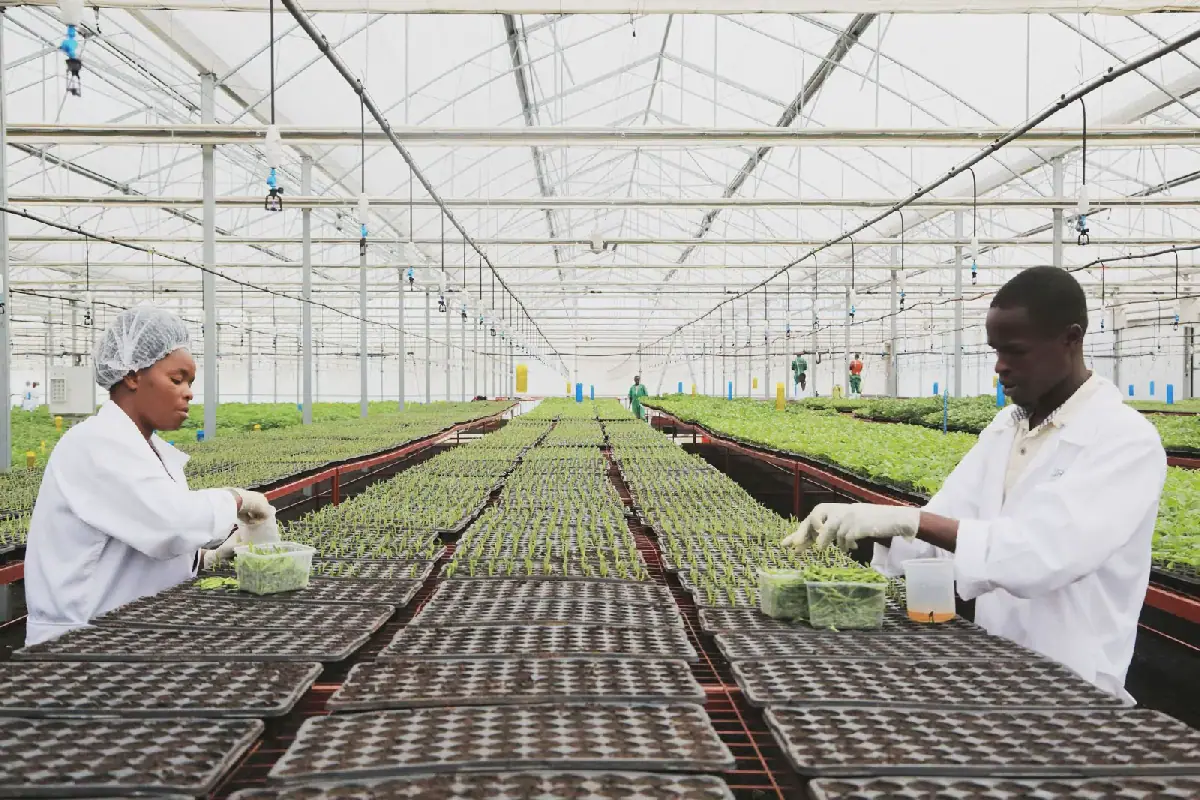
HIHSA plans to expand the production of certified seed potatoes using rapid multiplication techniques, potentially improving yields and productivity in Rwanda’s potato industry. Eza Neza is introducing commercial freeze-drying technology to the horticulture sector, extending the shelf life of fruit and vegetables while retaining their nutritional value.
DAVET is developing agricultural hubs around refugee camps, combining inputs, technical assistance, storage and connections to buyers. The initiative aims to strengthen production, reduce post-harvest losses and improve market access for refugee and host-community farmers. Aflakiosk is bringing food-safety testing closer to farmers and processors through mobile laboratories, allowing customers to test for aflatoxins and receive results within 24 hours.
The selection process was competitive, with 80 eligible applications and ten businesses reaching the final stage before four were chosen. The programme focuses on commercially viable innovations addressing constraints across Rwanda’s agricultural economy.
The investment highlights opportunities for African agriculture, where gaps in storage, processing and market access limit the value farmers can earn from their produce. Supporting businesses addressing these gaps could help retain more value within local economies and build more resilient food systems.
The long-term impact depends on whether the businesses can expand sustainably, attract customers and deliver measurable benefits to farmers. For Rwanda, the programme offers an opportunity to strengthen businesses connecting agricultural production with consumers and commercial markets, demonstrating how locally developed enterprises can modernise food systems.
Key points
- The four selected businesses will receive up to €350,000 in co-financing to scale their operations.
- The investment aims to address practical challenges affecting farmers and food businesses in Rwanda.
- The programme demonstrates how locally developed enterprises can help modernise food systems in Africa.