The Assembly of Disciples of Christ in Rwanda (ADEPR) has taken a significant step towards accountability by removing 35 pastors and missionaries from their roles due to their alleged involvement in the 1994 genocide against the Tutsi population. This decision was announced on March 18, 2026, and has been welcomed by the Rwandan government. The move is part of ADEPR's efforts to promote unity and reconciliation in the country.
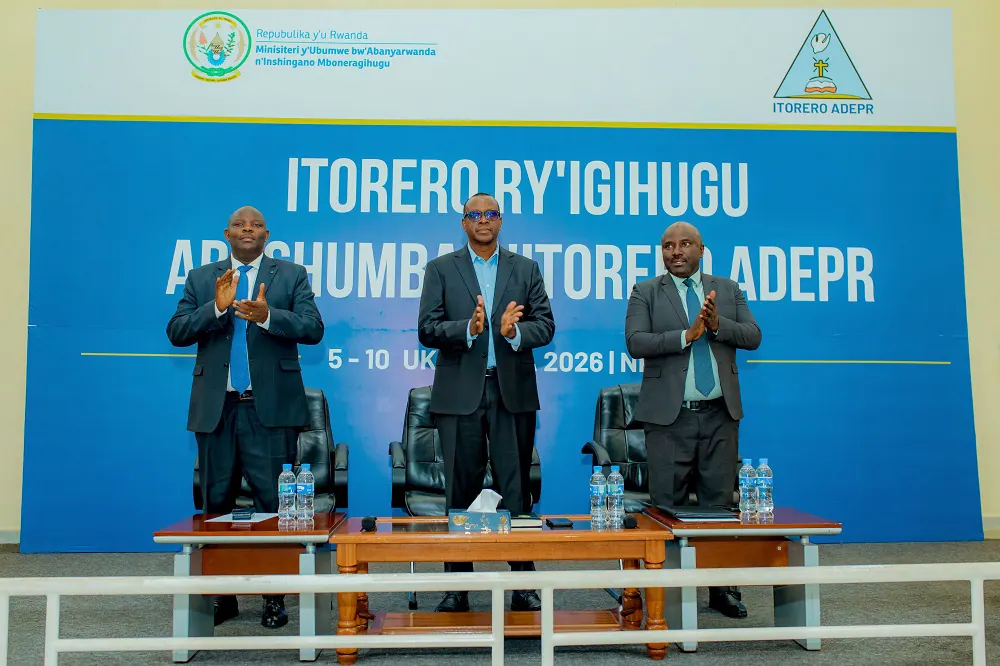
The Minister of Unity and National Guidance, Dr. Jean Damascène Bizimana, has praised ADEPR for its decision, saying it demonstrates the church's commitment to fighting against genocide ideology. He made these remarks on October 5, 2026, while inaugurating the National Pastors' Conference of ADEPR, which is being held at the Nkumba Training Center in Burera District. The conference aims to equip pastors with the skills to promote unity, tolerance, and patriotism.
According to Dr. Bizimana, the conference will focus on the "Ndi Umunyarwanda" (I am a Rwandan) program, which seeks to promote Rwandan unity, history, and the fight against genocide ideology. The program aims to enhance pastors' knowledge and skills in building a united and secure Rwanda. The Minister also commended ADEPR for its development initiatives and community service.
The ADEPR church has been actively involved in promoting unity and reconciliation in Rwanda. The church's decision to strip pastors of their roles due to their involvement in genocide is seen as a significant step towards accountability. The church's leader, Pastor Isaïe Ndayizeye, said the decision was made because the pastors had betrayed their oath to serve God and the nation.
Pastor Ndayizeye explained that the church took this decision to maintain its integrity and promote unity among its members. He emphasized that the church cannot tolerate individuals who have committed atrocities and expect to continue serving as pastors. The church's move has been welcomed by many Rwandans, who see it as a positive step towards promoting accountability and reconciliation.
The 1994 genocide against the Tutsi population resulted in the deaths of over 800,000 people, mostly from the Tutsi ethnic group. The genocide was perpetrated by extremists from the Hutu ethnic group, who were backed by the government and some religious leaders. The genocide had a profound impact on Rwanda, leaving deep scars and divisions that still exist today.
The ADEPR church's decision to deny pastoral roles to genocide perpetrators is seen as a significant step towards promoting unity and reconciliation in Rwanda. The church's move is also expected to promote accountability and encourage other religious institutions to take similar steps. The conference, which will run until October 10, 2026, is expected to equip pastors with the skills to promote unity and fight against genocide ideology.
Key points
- ADEPR church removes 35 pastors and missionaries from their roles due to their involvement in the 1994 genocide against the Tutsi population.