Rwanda's Foreign Minister, Olivier Nduhungirehe, responded to the Democratic Republic of Congo's criticism over the decision to extend Louise Mushikiwabo's term as head of the International Organization of La Francophonie (OIF). In a statement on X, Nduhungirehe clarified that Mushikiwabo's mandate will expire on December 31, 2027, and she will continue to exercise her full powers as Secretary-General. This response came after the Congolese Foreign Ministry expressed its disappointment with the decision, stating that Mushikiwabo's continued leadership was only a transitional arrangement.
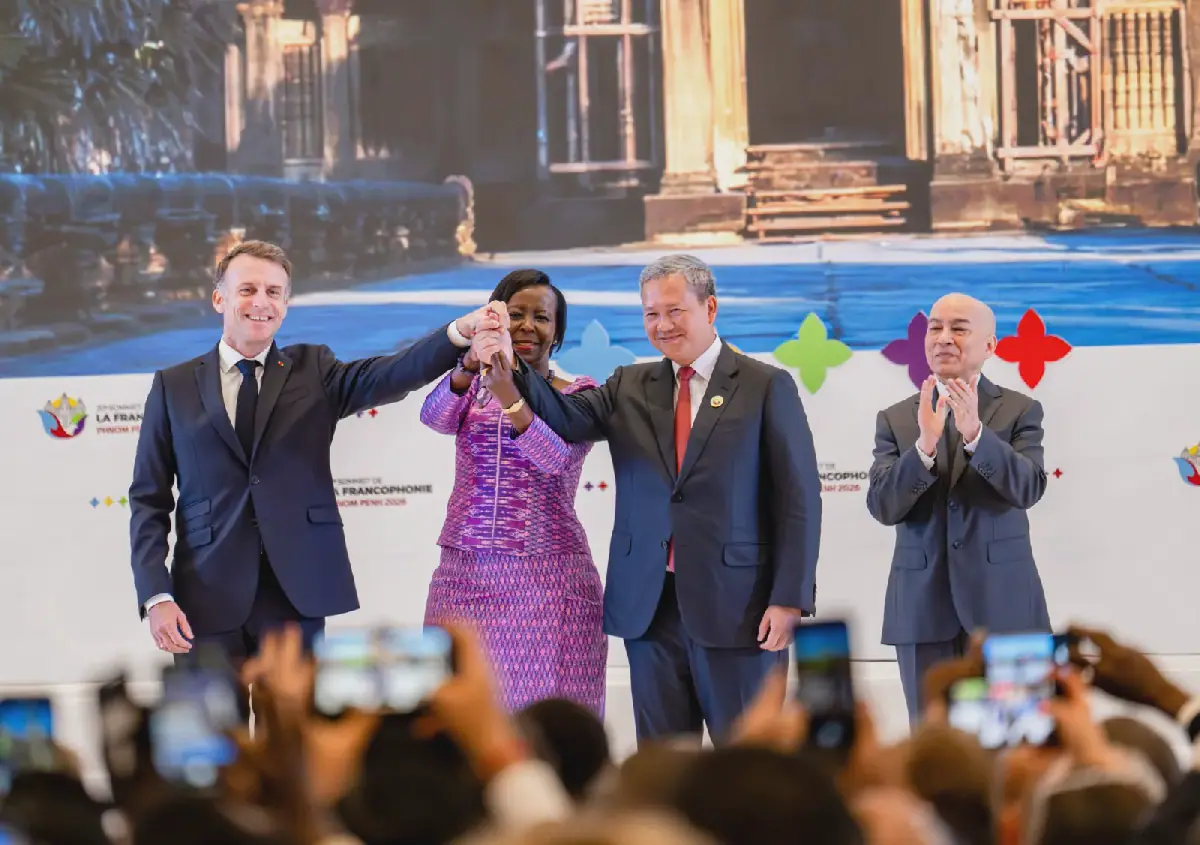
The controversy began after the 20th Conference of Heads of State and Government of French-speaking countries in Phnom Penh, Cambodia, where it was decided to extend Mushikiwabo's term by 12 months to allow for preparations for the election of her successor in 2027. The Congolese Foreign Ministry claimed that Mushikiwabo's continued leadership was only a transitional arrangement to facilitate the smooth running of the organization and reforms in the election process. However, Nduhungirehe disputed this claim, stating that the agreement reached by the OIF member states was clear: Mushikiwabo will continue to serve as Secretary-General with full powers.
Nduhungirehe also criticized the Congolese Foreign Minister for misinforming the public about the outcome of the OIF conference. He stated that the Minister had not been authorized to make such statements and that his claims were unfounded. According to Nduhungirehe, Rwanda had previously discussed the issue with other countries, including Senegal, Togo, and Benin, before presenting its proposal to the Congolese President, Félix Tshisekedi. Tshisekedi had initially supported a shorter transitional period, but the final agreement was different.
The Rwandan government had proposed that Mushikiwabo's term be extended to allow for a smooth transition and reforms in the election process. Nduhungirehe emphasized that Rwanda's decision not to nominate a candidate to succeed Mushikiwabo was a deliberate choice, made in accordance with common practices in international organizations. He argued that the DRC had no right to claim a role in this decision and that its criticism was unfounded.
The DRC had nominated Juliana Amato Lumumba, a former minister, as its candidate for the OIF leadership, but withdrew her nomination just two days before the election. The OIF member states ultimately agreed that Mushikiwabo would continue to serve as Secretary-General, with full powers, until the end of her term in 2027. During this period, she will oversee reforms aimed at making the organization's leadership election process more transparent.
Louise Mushikiwabo has been leading the OIF since January 2019, after being elected in 2018. She was re-elected for a second four-year term in 2022. The OIF is an international organization of countries that use French as an official language, with 54 member states. The organization's leadership has been a subject of interest, with several countries vying for influence.
The controversy highlights the complex relationships between Rwanda and the DRC, as well as the internal dynamics of the OIF. The situation underscores the challenges of managing international organizations and the often competing interests of member states. Key points:
Key points
- Louise Mushikiwabo's term as OIF Secretary-General has been extended until December 31, 2027.
- Rwanda's Foreign Minister, Olivier Nduhungirehe, responded to criticism from the DRC over the decision.
- The DRC had nominated Juliana Amato Lumumba as its candidate for the OIF leadership but later withdrew her nomination.