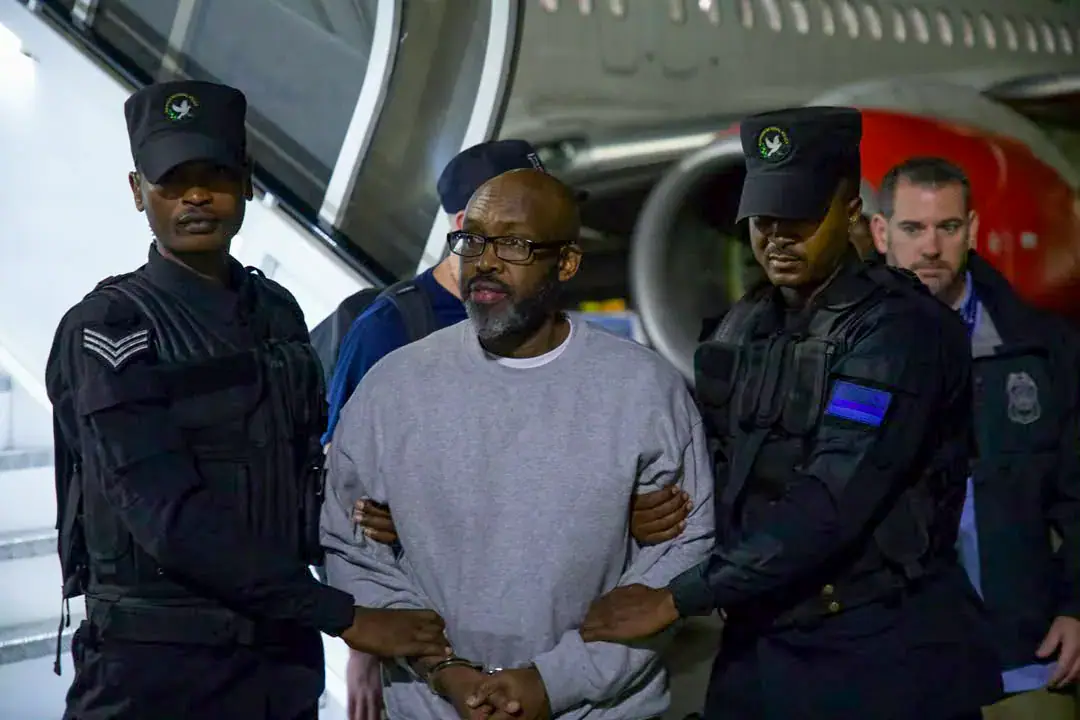
The Rwandan government has received a fugitive from the United States who is wanted for his alleged role in the 1994 genocide against the Tutsi population. Teganya Jean Léonard, a Rwandan national, was extradited by the US and arrived in Rwanda on November 9, 2026. According to the Rwandan Prosecutor General, Léonard is accused of participating in genocide and crimes against humanity committed in the former Butare Prefecture during the 1994 genocide.
Léonard, born in 1971 in Gatumba, Ngororero District, Western Province, was a student at the University of Rwanda in 1994, studying medicine. At the time, he was also interning at the University of Butare Hospital. The Rwandan Prosecutor General's office stated that Léonard's extradition was a result of cooperation between Rwandan and US authorities. This cooperation aims to bring to justice individuals who fled Rwanda to escape accountability for their alleged roles in the genocide.
The extradition of Teganya Jean Léonard marks a significant step in the ongoing efforts to bring perpetrators of the 1994 genocide to justice. The Rwandan government has been working to track down and prosecute individuals who participated in the genocide, which resulted in the deaths of hundreds of thousands of people, primarily from the Tutsi ethnic group. The US has been a key partner in this effort, providing support and cooperation to Rwandan authorities.
The Rwandan Prosecutor General's office expressed gratitude to the US authorities for their cooperation in extraditing Léonard. This cooperation extends beyond simply extraditing suspects, as it also involves collaboration on legal and international efforts to combat impunity for genocide and crimes against humanity. The extradition of Léonard demonstrates the commitment of both countries to ensuring accountability for those who committed atrocities during the genocide.
Léonard's alleged crimes took place in the Butare area, where he is accused of participating in genocide and crimes against humanity. His extradition and subsequent prosecution are part of a broader effort to bring to justice those who committed atrocities during the 1994 genocide. The Rwandan government has been working to document and prosecute these crimes, and the extradition of Léonard is a key step in this process.
The 1994 genocide against the Tutsi population in Rwanda resulted in a massive loss of life and had a profound impact on the country and its people. The international community has recognized the gravity of these crimes, and efforts to bring perpetrators to justice have been ongoing for decades. The extradition of Teganya Jean Léonard is a significant development in this effort, and it highlights the ongoing cooperation between Rwandan and US authorities.
The case of Teganya Jean Léonard serves as a reminder of the ongoing efforts to bring perpetrators of the 1994 genocide to justice. His extradition and subsequent prosecution demonstrate the commitment of the Rwandan government and its international partners to ensuring accountability for those who committed atrocities during the genocide. The cooperation between Rwandan and US authorities is a key aspect of this effort, and it will likely continue to play a significant role in the years to come.
Key points
- Teganya Jean Léonard was extradited from the US to Rwanda for his alleged role in the 1994 genocide.