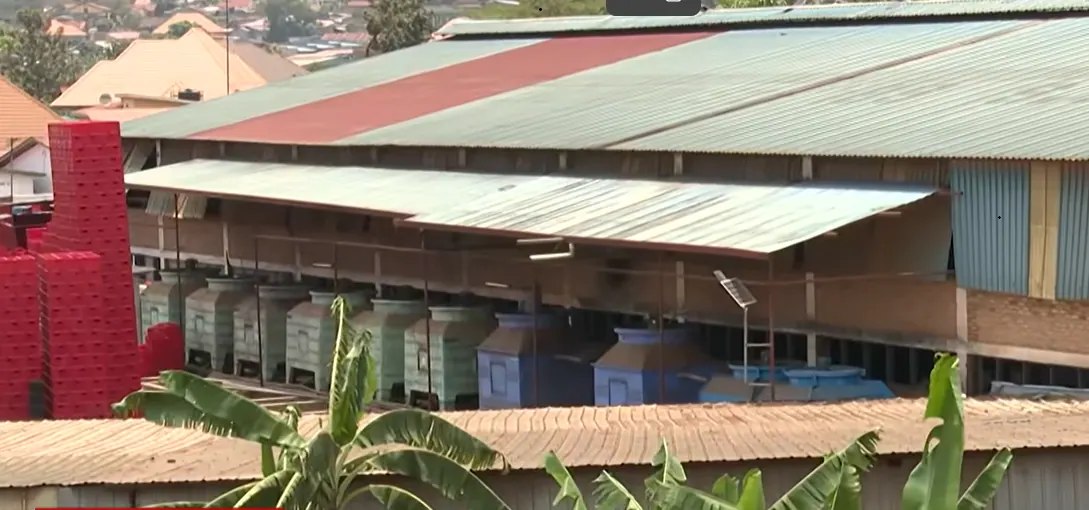
The City of Kigali has announced plans to relocate 60 industries currently operating in residential areas to designated industrial zones, in accordance with the city's master plan. According to city officials, the relocation aims to minimize risks associated with industrial operations in residential areas, including environmental pollution and fire hazards. The move is expected to improve the safety and well-being of residents.
City spokesperson Ntirenganya Emma Claude stated that 31 industries have been identified for relocation, with five already having completed the process. The remaining industries are expected to halt operations and begin relocation in the coming days. The city aims to prioritize the relocation of industries that pose the greatest risks to residents, including those emitting hazardous fumes or producing large amounts of waste.
Residents in the Kicukiro district have expressed concerns over the presence of industries in residential areas, citing issues with noise pollution, air quality, and waste management. Ndatimana Patrick, a resident of Kicukiro, emphasized the need for industries to be relocated to designated areas, stating that their presence poses significant health risks to residents. He highlighted the importance of ensuring a safe and healthy environment for residents.
Other residents, including Ndisanze Fred, have also expressed concerns over the environmental impact of industries in residential areas. Fred noted that the fumes emitted by some industries can have serious health consequences, including respiratory problems. He welcomed the government's initiative to relocate industries, but expressed concerns that some large-scale industries continue to operate in residential areas.
The Rwandan government's plan to relocate industries is part of a broader effort to promote sustainable development and environmental protection. In Kicukiro, a new industrial park has been established, which includes measures to mitigate the environmental impact of industrial operations. The park features a wetland area designed to help filter out pollutants and protect local biodiversity.
The relocation of industries is expected to have a positive impact on the city's infrastructure and services. By relocating industries to designated areas, the city aims to improve emergency response times and reduce the risk of industrial accidents. The move is also expected to promote economic growth and development, by providing industries with modern infrastructure and facilities.
Key stakeholders, including government officials, residents, and industry owners, will need to work together to ensure a smooth relocation process. The government has emphasized its commitment to supporting industries in the relocation process, while also ensuring that the rights and concerns of residents are taken into account. The success of the relocation plan will depend on effective coordination and communication among all parties involved.
Key points
- The Rwandan government plans to relocate 60 industries operating in residential areas to designated industrial zones.
- The relocation aims to minimize risks associated with industrial operations in residential areas, including environmental pollution and fire hazards.
- Residents have expressed concerns over the presence of industries in residential areas, citing issues with noise pollution, air quality, and waste management.