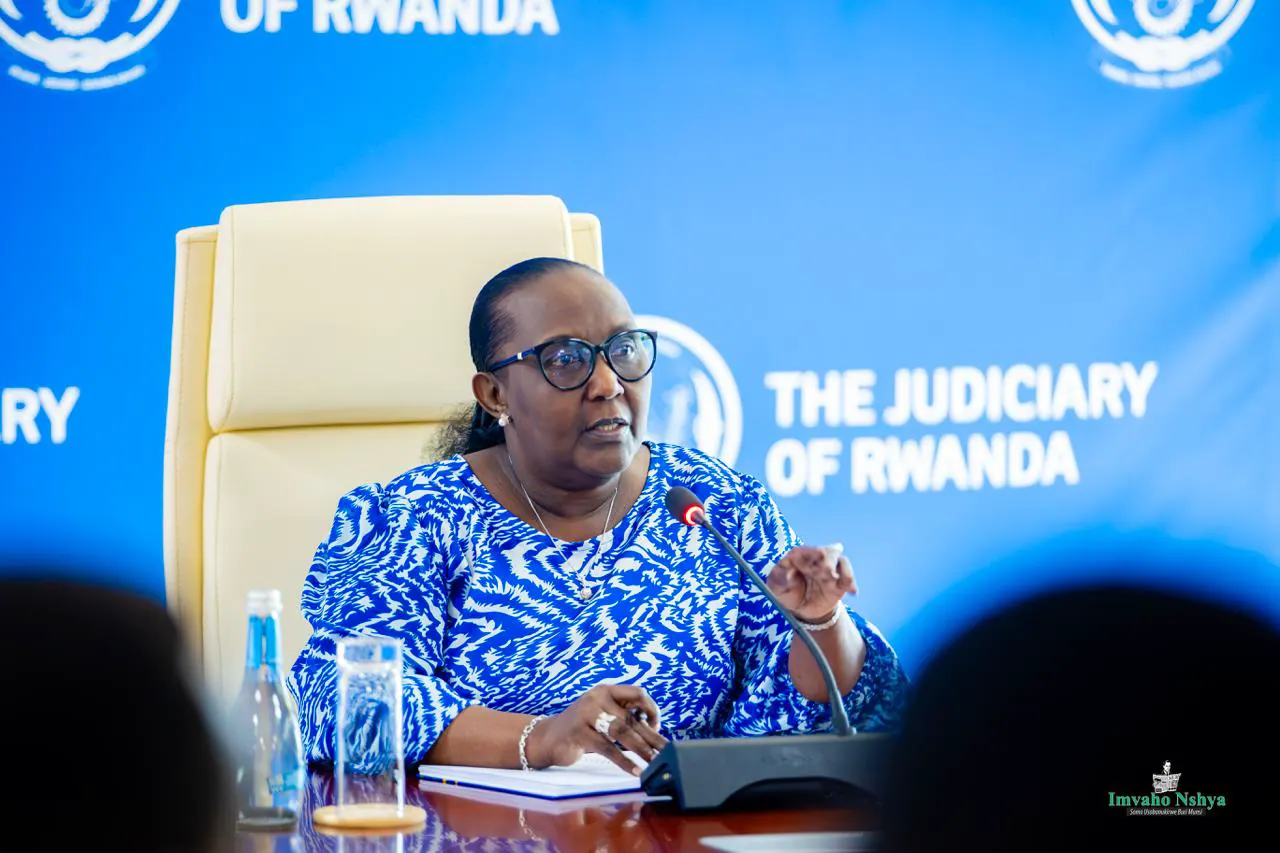
The Supreme Court of Rwanda has introduced new guidelines aimed at improving the handling of child cases in courts. The guidelines, signed by Chief Justice Domitilla Mukantaganzwa on October 1, 2026, and published in the Official Gazette, will come into effect on November 1, 2026. These guidelines aim to ensure that child cases are handled in a manner that prioritizes their protection and well-being.
The new guidelines require courts to designate specific days for hearing child cases and to assign judges who have received specialized training to handle such cases. The guidelines apply to all individuals under the age of 18, whether they are defendants or victims of a crime. The guidelines also require prosecutors to submit a detailed report on the child's background, including their family, education, and health, before the case can be registered in court.
The report, which will be part of the case file, must include an assessment of the child's physical and mental health, as well as recommendations for their rehabilitation. The guidelines also require courts to use this information when determining the best course of action for the child. In addition, courts are encouraged to consider alternative dispute resolution methods, such as mediation, to resolve cases involving children.
The guidelines also introduce new procedures for the handling of child cases in court. For example, judges, prosecutors, and lawyers will not be required to wear formal attire when handling child cases, and they will be expected to use language that the child can understand. Security personnel will not be allowed in the courtroom, except in cases where their presence is necessary to ensure the child's safety.
The guidelines also provide for the separation of children from adults while in custody or waiting for trial. Children who are defendants or witnesses will be held in separate facilities from adults, and will be accompanied by a trusted adult if necessary. The guidelines also prohibit the disclosure of a child's identity or personal details in public or in the media.
The new guidelines prioritize the rehabilitation and reintegration of children into society. Courts are encouraged to focus on rehabilitating the child and promoting their well-being, rather than simply punishing them. The guidelines also require judges to take into account the individual circumstances of each child and to make decisions that are in their best interests.
The introduction of these guidelines is expected to improve the handling of child cases in Rwandan courts and to ensure that the rights and well-being of children are protected. The guidelines are part of a broader effort to strengthen the justice system in Rwanda and to promote the protection of vulnerable groups, including children.
Key points
- The new guidelines prioritize the protection and well-being of children involved in court cases.