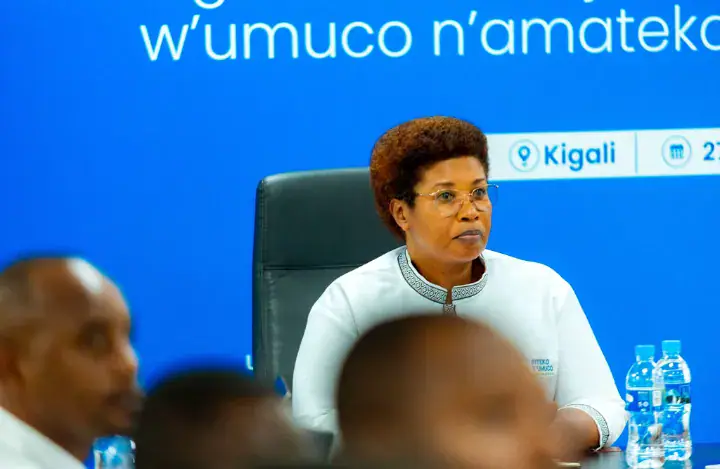
Rwanda joined the world in celebrating the International Day for the Universal Access to Information on October 27, 2026. As part of the celebrations, experts in the field of archival preservation highlighted the need for specialized knowledge in preserving audio and visual heritage using digital technology. They noted that the country's archives are rich in audio and visual materials, but there is a shortage of skilled personnel to manage and preserve them effectively.
Jean Baptiste Kennedy, who works in the Archives and Library section of the Rwanda State Archives Service (RSSB), emphasized that one of the major challenges in preserving audio and visual heritage is the lack of expertise in digital preservation. He noted that while audio and visual recordings are an essential part of Rwanda's cultural heritage, they are fragile and require specialized care to ensure their longevity. Kennedy added that the equipment needed to preserve these materials is expensive, and many institutions lack the resources to invest in it.
Valérie Mukamurenzi, an archivist, highlighted the importance of preserving audio and visual heritage for future generations. She noted that these materials provide a unique window into Rwanda's past and are essential for understanding the country's history and culture. Mukamurenzi emphasized that it is crucial to train more archivists and conservators to work with audio and visual materials and to develop the necessary skills to preserve them digitally.
Marie Claude Uwineza, Director of Archival Services at the National Commission for Culture, noted that there has been a significant shift in awareness about the importance of preserving audio and visual heritage in Rwanda. She added that in the past, many institutions had not prioritized the preservation of these materials, but there is now a growing recognition of their significance. Uwineza emphasized that the commission will continue to raise awareness about the importance of preserving audio and visual heritage and provide training and support to institutions.
As part of the celebrations, a training session was organized for archivists and conservators from various institutions to learn about the preservation of audio and visual materials using digital technology. The training aimed to equip participants with the necessary skills to digitize and preserve audio and visual materials, ensuring that they are accessible to future generations. The training covered topics such as the digitization of audio and visual materials, metadata creation, and digital preservation.
The International Day for Universal Access to Information was celebrated under the theme "Audio and Visual Heritage, a Cultural and Historical Pathway for Rwandans." The celebrations highlighted the importance of preserving Rwanda's cultural heritage and promoting access to information. The event brought together stakeholders from various sectors, including government, civil society, and the private sector, to discuss the challenges and opportunities in preserving audio and visual heritage.
The preservation of audio and visual heritage is an essential part of Rwanda's cultural and historical identity. The country's rich cultural heritage is reflected in its audio and visual materials, which provide a unique window into its past. Efforts to preserve these materials are crucial to ensuring that future generations can learn from and appreciate Rwanda's history and culture.
Key points
- - Experts emphasize the need for specialized knowledge in preserving audio and visual heritage using digital technology. - The lack of expertise and expensive equipment are major challenges in preserving audio and visual heritage in Rwanda. - Training and awareness-raising efforts are underway to promote the preservation of audio and visual heritage in Rwanda.