The government of Rwanda has launched a 5-year plan to revamp its emergency medical services (EMS). The plan, dubbed Rwanda Emergency Medical Services Reform 2026–2030, aims to reduce response times for emergency vehicles, increase the number of trained personnel, and make EMS accessible to all Rwandans. The plan was launched on November 22, 2026, during the Car Free Day event in Kigali.
According to the Ministry of Health, the plan builds on previous efforts to improve EMS, which have led to a significant reduction in response times. In Kigali, the average response time has decreased from 45 minutes to 15 minutes, while outside the city, it has decreased from 2.5 hours to 45 minutes. The number of emergency vehicles has also increased, from 263 in 2023 to 530 in 2026.
The new plan aims to further reduce response times, with a target of 10 minutes in Kigali and 20 minutes outside the city by 2029. The plan also includes increasing the number of emergency vehicles, with a goal of having at least one vehicle per 20,000 people. Additionally, the plan includes the introduction of specialized vehicles for emergency response, such as ambulances for newborns and patients with infectious diseases.
To support the plan, the government will establish a national paramedic training program, which will train 100 students per year. The program aims to have at least 8-10 trained personnel per emergency vehicle by 2030. In addition to trained personnel, the plan also includes training 2,000 community members to provide basic life support in emergency situations.
The Car Free Day event, where the plan was launched, also included training sessions on basic life support, including cardiopulmonary resuscitation (CPR) and first aid. The event, which took place in different locations in Kigali, also featured exhibitions of new emergency vehicles and equipment.
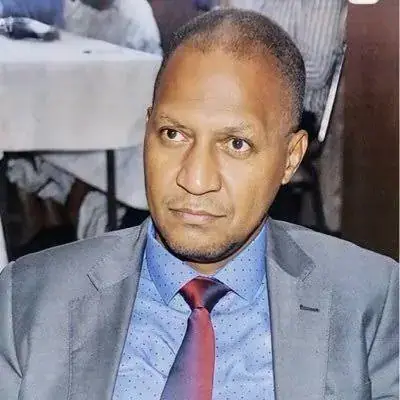
Health Minister Dr. Sabin Nsanzimana emphasized that the plan is not just about increasing the number of emergency vehicles, but also about training personnel and equipping them with the necessary skills and equipment to respond to emergencies effectively. He urged Rwandans to play a role in saving lives by learning basic life support skills and calling the emergency number 912 in case of an emergency.
The emergency medical services are part of the country's healthcare system, which is covered by the Community-Based Health Insurance (CBHI) scheme, also known as Mituweli. The scheme ensures that all Rwandans have access to healthcare services, including emergency medical services.
Key points
- The plan aims to reduce response times for emergency vehicles and increase the number of trained personnel.
- The government will establish a national paramedic training program to support the plan.
- The plan includes training community members to provide basic life support in emergency situations.