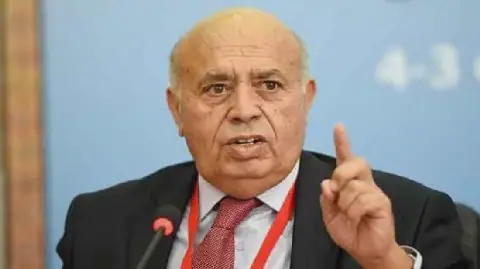
A recent report by the Auditor General of Rwanda's government has shown significant progress in the management of public institutions. The report revealed that institutions with no financial irregularities increased from 92% in 2023 to 94% in 2024 and further to 97% in 2025. Compliance with laws and regulations also rose from 69% to 83% over the same period.
Despite this progress, internal auditors in Rwanda are calling for enhanced risk management and governance in both public and private sectors. Richard Rutuku, CEO of the Institute of Internal Auditors Rwanda, noted that organizations face increasing challenges related to technology, including cybersecurity threats and data protection. He emphasized that internal auditing in organizations focuses on governance, risk management, and control.
The Institute of Internal Auditors Rwanda recently hosted its ninth annual conference, which brought together internal auditors to discuss key issues, including risk management and the role of technology in enhancing governance. The conference aimed to equip internal auditors with the skills needed to address emerging challenges. Rutuku stressed that internal auditing should not be limited to examining past financial transactions but should focus on helping organizations achieve their objectives.
Thokozile Kuwali, Executive Director of the African Institute of Internal Auditors, highlighted the importance of understanding an organization's objectives and risks before conducting an audit. She emphasized that internal auditors should assess an organization's governance, risk management, and control systems to ensure they are effective in achieving its objectives. This approach enables internal auditors to provide more value-added services to organizations.
In the public sector, internal auditors are playing a critical role in promoting good governance and risk management. Jules César Hategekimana, Head of Internal Audit in the Ministry of Finance and Economic Planning, noted that internal auditing has helped improve financial management in public institutions. He emphasized that internal auditing is essential for promoting accountability, transparency, and good governance in the public sector.
The Rwandan government is committed to strengthening internal auditing in both public and private sectors. Hategekimana noted that the government is providing training and capacity-building programs for internal auditors to enhance their skills and knowledge. The government is also promoting the use of technology to enhance internal auditing and risk management.
The increasing use of technology in organizations presents both opportunities and challenges for internal auditors. While technology can enhance governance and risk management, it also introduces new risks, such as cybersecurity threats. Internal auditors must be equipped with the skills and knowledge needed to address these emerging challenges and provide effective assurance to stakeholders.
Key points
- Internal auditors in Rwanda are pushing for enhanced risk management and governance in both public and private sectors.
- The use of technology is presenting new challenges and opportunities for internal auditors in Rwanda.
- The Rwandan government is committed to strengthening internal auditing in both public and private sectors.