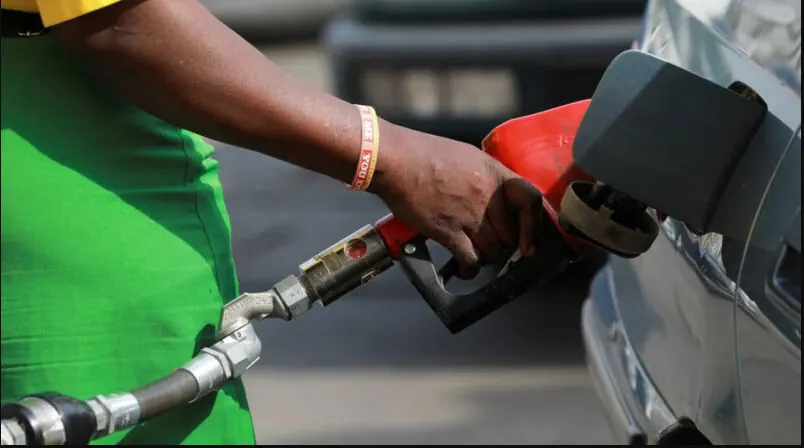
The Rwandan government is under pressure to increase fuel subsidies as global fuel prices continue to rise, affecting the cost of living for its citizens. The current regulated fuel price is 2,927 Frw per liter, largely due to government subsidies. Without these subsidies, fuel prices at the pump would be around 3,600 Frw per liter. The government has already spent approximately 48 billion Frw from March to June 2022 to shield consumers and traders from the impact of rising global oil prices.
The global fuel market is experiencing significant challenges, with the price of middle distillates, such as diesel, increasing substantially. This category of petroleum products, which includes diesel and heating oil, plays a crucial role in transportation, agriculture, construction, and mining. Unlike gasoline, diesel consumption is less flexible, as it is heavily used in essential economic activities such as transporting goods, farming, and construction.
The main reason diesel prices are rising faster than gasoline is due to differences in supply and demand. Gasoline production can be easily adjusted or substituted, whereas diesel production is more complex and often limited by refining capacities. Additionally, diesel storage levels are typically lower, making it more vulnerable to price fluctuations. The US Energy Information Administration (EIA) reported that the global middle distillate deficit and high refining margins are driving up diesel prices.
The impact of rising fuel prices is being felt globally, with many countries experiencing significant increases in diesel prices. In the United States, the average diesel price reached $6.529 per gallon in the week ending September 21, up from $2.780 in the same period last year. In Europe, the average diesel price rose to €2.23 per liter, a 40% increase since late February. This has significant implications for economies, as diesel is a critical component of transportation, agriculture, and industry.
In Rwanda, the government is acutely aware of the potential consequences of rising fuel prices. As a landlocked country heavily reliant on imported goods, Rwanda faces additional costs associated with transportation, storage, and logistics. The government has already taken steps to mitigate the impact of rising fuel prices, including providing subsidies to cushion consumers. However, with global prices continuing to rise, the government is exploring further measures to support its citizens.
Prime Minister Justin Nsengiyumva recently stated that without government subsidies, diesel prices would be around 3,600 Frw per liter. The government is under pressure to increase subsidies to prevent a sharp rise in fuel prices, which could have far-reaching consequences for the economy. With diesel playing a critical role in essential economic activities, any significant increase in prices could lead to higher costs of living, reduced economic activity, and increased inflation.
The government is expected to announce further measures to address the rising fuel costs, which could include increasing subsidies or implementing other forms of support for citizens. The situation remains fluid, with global fuel prices continuing to fluctuate. However, one thing is clear: the Rwandan government is committed to mitigating the impact of rising fuel costs on its citizens and the economy.
Key points
- The Rwandan government is considering increasing fuel subsidies to cushion citizens from rising fuel costs.
- Global fuel prices, particularly diesel, have increased significantly due to supply and demand imbalances.
- Rising fuel prices have far-reaching consequences for economies, particularly in landlocked countries like Rwanda.