Rwanda has witnessed significant rainfall in recent months, with various parts of the country experiencing substantial downpours. However, despite these rains, the country is facing a water shortage crisis. The Water, Sanitation, and Hygiene Corporation (WSC) has been criticized for its inability to provide adequate water supply to residents. Many residents have taken to social media to express their frustration, with some calling for innovative solutions to address the issue.
The water shortage has been attributed to various factors, including the increasing demand for water and the limited supply. WSC has been working to increase its water supply capacity, including the construction of new water treatment plants and the expansion of existing ones. For instance, the Karenge water treatment plant is one such project aimed at increasing the water supply in the country. However, despite these efforts, the demand for water continues to outstrip the supply, leading to shortages.
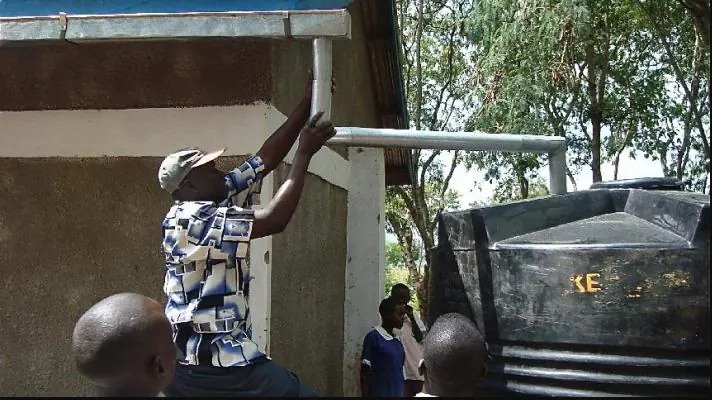
Residents have been advised to adopt innovative solutions to address the water shortage, including harvesting rainwater. However, WSC has emphasized that it is responsible for providing clean and safe drinking water to residents. The corporation has been urged to work with residents and other stakeholders to find sustainable solutions to the water shortage crisis. Some residents have suggested that WSC should provide financial support to help them construct rainwater harvesting systems.
The Rwanda Water Resource Board has been accused of not doing enough to address the water shortage crisis. The board has been criticized for its lack of involvement in finding solutions to the crisis. Meanwhile, the Ministry of Environment has emphasized the importance of protecting the environment and conserving water resources. The ministry has encouraged residents to adopt environmentally friendly practices, including rainwater harvesting.
The water shortage crisis has also highlighted the need for a more efficient and effective water management system in Rwanda. Residents have called for the government and WSC to invest in modern water management technologies, including smart water grids and water conservation systems. This, they argue, will help to reduce water losses and improve the overall efficiency of the water supply system.
The government has been urged to work with private sector partners to find solutions to the water shortage crisis. Some residents have suggested that the government should provide financial support to private companies that are willing to invest in water management and conservation projects. This, they argue, will help to attract much-needed investment in the water sector and improve the overall efficiency of the water supply system.
The water shortage crisis in Rwanda has highlighted the need for a more coordinated and effective approach to managing the country's water resources. Residents, government officials, and WSC have been urged to work together to find sustainable solutions to the crisis. This includes investing in modern water management technologies, promoting water conservation practices, and adopting innovative solutions such as rainwater harvesting.
Key points
- The water shortage crisis in Rwanda has been attributed to various factors, including the increasing demand for water and the limited supply.
- Residents have been advised to adopt innovative solutions to address the water shortage, including harvesting rainwater.
- The government has been urged to work with private sector partners to find solutions to the water shortage crisis.