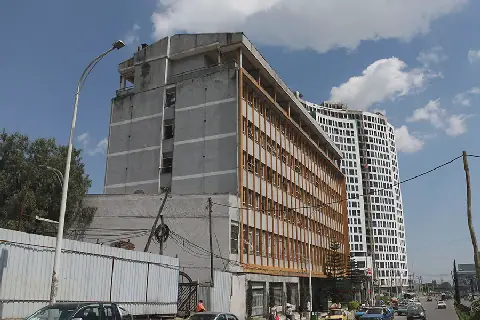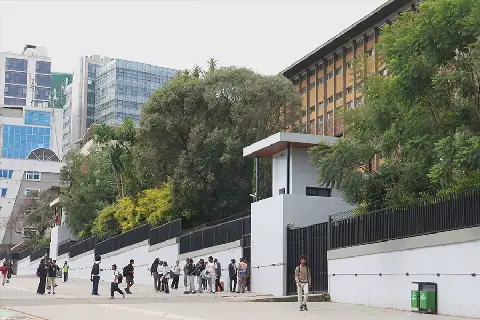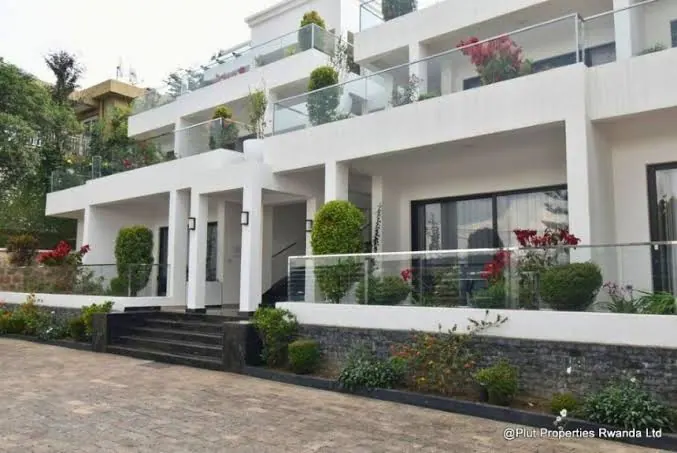
Rwanda is experiencing a severe shortage of affordable housing, despite a surge in construction activity. Many nurses, teachers, and young professionals are struggling to find decent homes that fit their budget. A teacher may find a cheaper house on the outskirts of Kigali, but the money saved on rent is often offset by transportation costs. The Rwanda Housing Authority estimates that the country needs about 150,000 new dwellings every year to meet the growing demand.
The demand for housing is driven by population growth, urban migration, and expanding businesses. According to the National Institute of Statistics of Rwanda's (NISR) seventh Integrated Household Living Conditions Survey, conducted in 2023 and 2024, 60.6% of Kigali households rented their homes, up from about 54% in 2016 and 2017. Across all urban areas, 48.7% were tenants. The survey highlights the pressure on the housing market, with rental housing becoming a primary means of securing a roof for many households.
The supply of housing is constrained by several factors, including expensive land, limited long-term finance, infrastructure costs, imported finishing materials, and lengthy construction periods. Developers tend to favor projects that promise reliable returns, which explains why luxury apartments and high-end units are being built, while ordinary workers struggle to find suitable homes. Innocent Nshimiyimana, an assistant lecturer at the University of Rwanda, notes that growth is happening "faster than affordable housing is being built."
The Rwandan government has launched initiatives to address the affordable housing shortage. The Urbanisation and Rural Settlement Sector Strategic Plan targets 1,296 affordable and social rental units between 2024 and 2029. However, this is a limited-scale public program, and private developers, housing cooperatives, and small landlords will remain essential in addressing the housing shortage. Better use of land is also crucial, with a focus on denser, well-designed developments that can accommodate multiple families.
Experts suggest that innovative solutions can help address the affordable housing shortage. Architect Johnson Bigwi of Futuristic Design Group proposes that households can create additional rental space within their properties, becoming small landlords themselves. This approach can provide safer and denser housing, especially if accompanied by better designs, suitable financing, and clearer approvals. Location is also critical, as a cheap house is not always an affordable house, especially if it is far from employment opportunities and services.
Housing policy must be coordinated with public transport, roads, water, electricity, schools, markets, health facilities, and employment. Development in other regions, such as Musanze, Huye, Rubavu, Rusizi, Muhanga, and Nyagatare, could ease pressure on Kigali, but only if homes are accompanied by jobs and reliable services. Housing finance also requires a realistic approach, with a focus on products that are affordable for households with irregular earnings.
The key to addressing Rwanda's affordable housing shortage lies in a comprehensive approach that involves the government, private developers, and households. The government should prioritize serviced land, predictable approvals, coordinated infrastructure, and incentives tied to genuine price ranges. For investors, simple, durable homes that ordinary households can rent for many years may be one of Rwanda's strongest property opportunities.
Key points
- Rwanda needs 150,000 new homes yearly to meet growing demand.
- 60.6% of Kigali households rented their homes in 2023-2024.
- Affordable housing shortage is driven by expensive land, limited finance, and infrastructure costs.