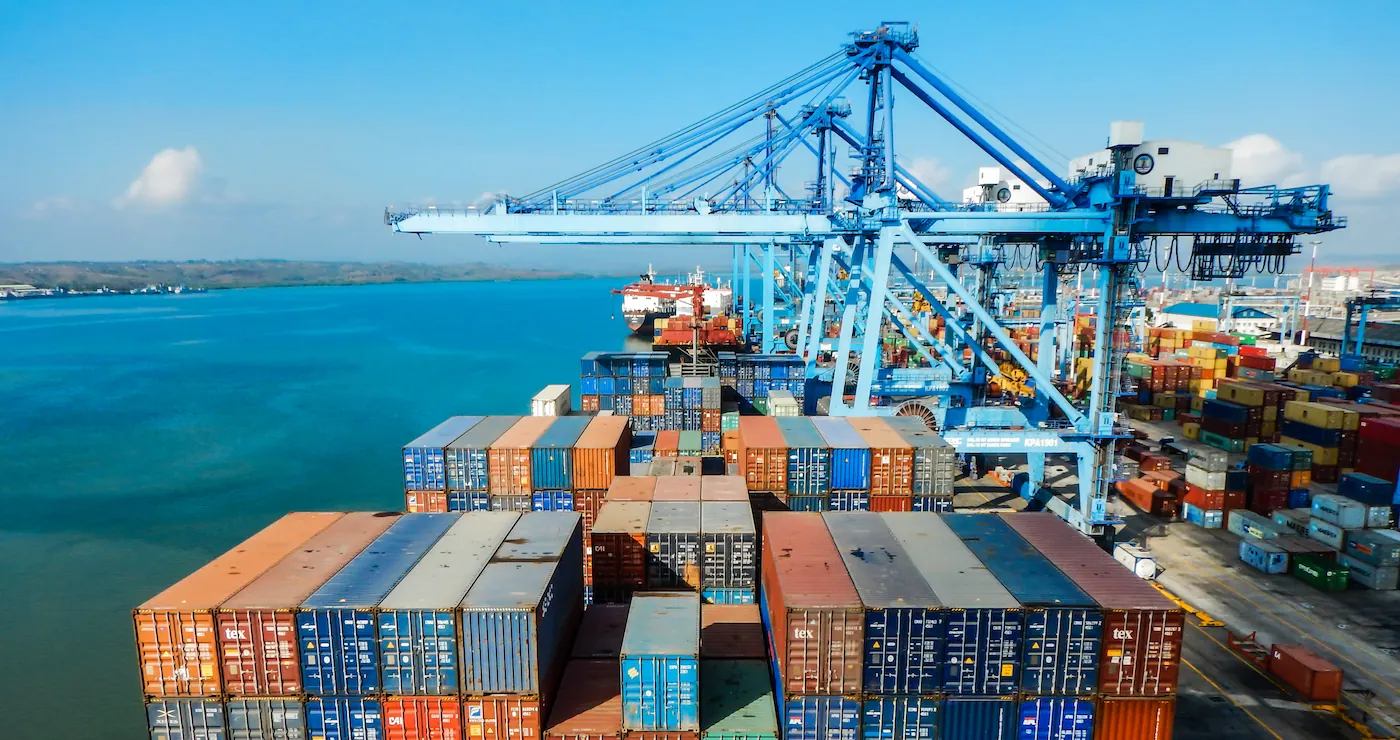
Rwanda, a landlocked country, has traditionally relied on Mombasa port in Kenya for its imports and exports. However, the country is now expanding its trade routes by utilizing Dar es Salaam port in Tanzania. In the 2025-2026 financial year, Rwanda's imports through Dar es Salaam increased by 24% to 2.18 million tons, up from 1.75 million tons the previous year. This growth is part of Rwanda's strategy to diversify its trade routes and reduce dependence on a single port.
The Central Corridor, which passes through Tanzania, is becoming a more reliable route for Rwanda. This corridor, which includes the Standard Gauge Railway (SGR) and other infrastructure developments, is enhancing Rwanda's ability to transport goods. The use of Dar es Salaam port is not only increasing but also providing Rwanda with an alternative route for its imports and exports. This development is also driven by infrastructure improvements, including the Kwala Dry Port in Tanzania.
The growth in trade through Dar es Salaam port is not limited to Rwanda's imports; it also reflects a shift in how East African countries use trade routes. The Central Corridor is competing with the Northern Corridor, which passes through Kenya. Rwanda's use of both corridors provides the country with options for transporting goods. In July 2026, 40,000 tons of petroleum products were delivered to Rwanda through Tanga port in Tanzania, while another 40,000 tons were delivered through Mombasa port in September 2026.
Mombasa port remains a significant route for Rwanda's trade, but Dar es Salaam is gaining ground. According to the EAC Regional Time Release Study, goods transported from Dar es Salaam to Kigali take an average of 22 days and 21 hours, compared to 17 days and five hours for goods transported from Mombasa. However, Dar es Salaam's efficiency has improved, with the time taken to clear cargo reducing from around 10 days in the 2020-21 financial year to around three days in 2024-2025.
DP World, a major port operator, has invested $123 million in improving the efficiency of Dar es Salaam port. The company has reduced the time taken to clear cargo from over 300 hours to under 28 hours. However, despite these improvements, there is still room for growth, particularly in reducing the time taken for goods to reach Kigali from Dar es Salaam. The journey from Dar es Salaam to Rusumo, a key border crossing, takes an average of four days and two hours.
The use of two trade routes is expected to benefit Rwanda's economy and traders. By having options, traders and the government can negotiate better prices and services. This approach is also being adopted by other countries, including Ethiopia, Botswana, and Qatar, which have diversified their trade routes to enhance economic resilience. However, there are challenges that need to be addressed, including the underutilization of the SGR and potential bottlenecks at the Rusumo border.
The development of Rwanda's trade routes is crucial for the country's economic growth. With imports continuing to rise, having two reliable routes will help reduce reliance on a single port and enhance the country's economic resilience. The success of the Central Corridor will depend on its ability to match the efficiency of the Northern Corridor, particularly in terms of transit times to Kigali. If successful, this development will have a positive impact on Rwanda's economy and traders.
Key points
- Rwanda increases trade with Tanzania's Dar es Salaam port by 24% in the 2025-2026 financial year.
- The Central Corridor, which passes through Tanzania, is becoming a more reliable route for Rwanda's imports and exports.
- The use of two trade routes is expected to benefit Rwanda's economy and traders by providing options and enhancing economic resilience.